
Last updated on August 25th, 2026 at 02:23 pm
The engine control module (ECM) in your 2012 Chevrolet Silverado 4.3L manages fuel delivery, ignition timing, and emissions systems. Failure may cause drivability issues, warning lights, or prevent the engine from starting.
If your 2012 Chevrolet Silverado 4.3L is experiencing rough idling, stalling, or a no-start condition, the engine control module (ECM) may be the culprit. This small but critical computer manages fuel injection, ignition timing, and emissions systems, ensuring smooth operation. When it fails, symptoms can range from subtle drivability issues to complete engine shutdown. Understanding the role of the ECM, how to identify failure, and what replacement involves can save you time and frustration. This guide covers labor times, programming requirements, and common symptoms to help you make informed decisions about your vehicle’s repair.
The engine control module in your 2012 Chevrolet Silverado 4.3L acts as the brain of the engine, processing data from sensors to optimize performance, fuel efficiency, and emissions. It adjusts fuel delivery, ignition timing, and idle speed in real time, ensuring the engine runs smoothly under all conditions. A failing ECM can disrupt these functions, leading to poor drivability or even a no-start situation. If replacement becomes necessary, you’ll need replacement engine computers for the Silverado 1500, 2500 HD, or 3500 HD, which must be programmed to match your vehicle’s specifications for proper operation.
The ECM in your 2012 Chevrolet Silverado is typically mounted on the engine or in the engine bay for easy access. Replacing it involves disconnecting the battery, removing electrical connectors, and unbolting the module from its mount. Labor time for removal and reinstallation is 1.4 hours, regardless of whether you drive a 1500, 2500 HD, or 3500 HD model. After installation, a 0.5-hour relearn procedure is required to synchronize the new module with the vehicle’s systems. No specialized tools are needed beyond basic hand tools, but care must be taken to avoid damaging connectors during the process.
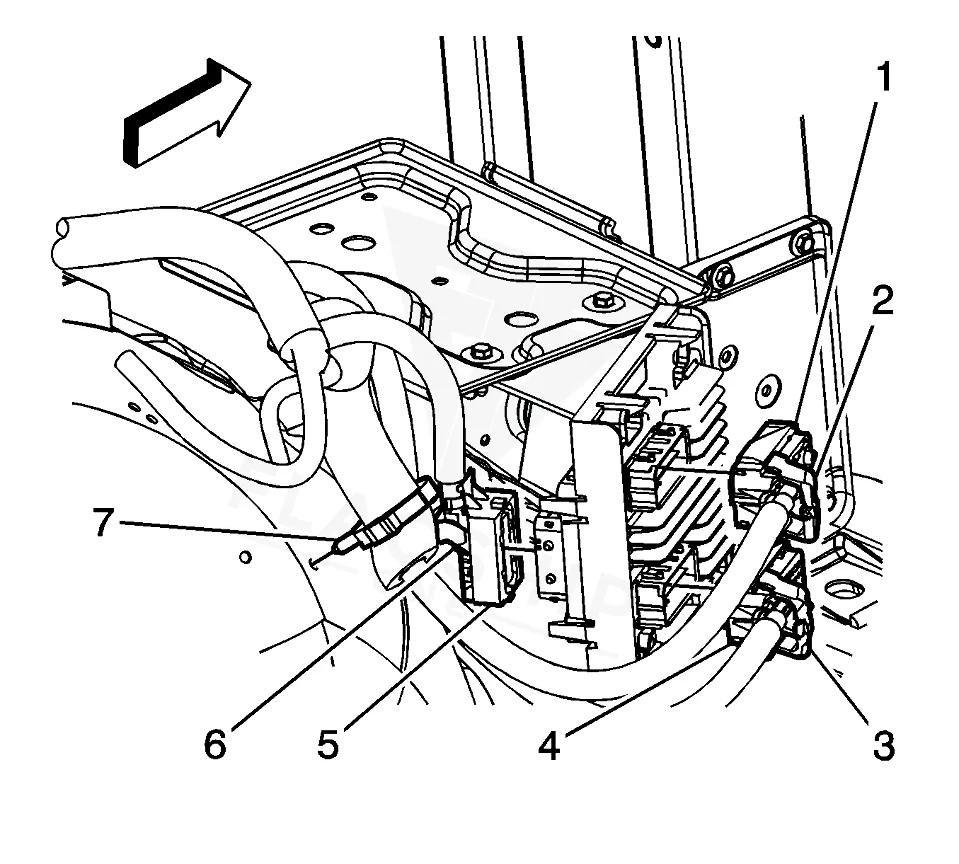
Work with the ignition off, and treat the module as static-sensitive: avoid touching the connector pins at any point.
| Operation | Configuration | Book Time |
|---|---|---|
| Powertrain Control Module R&R | Silverado 1500 | 1.4 hr |
| Powertrain Control Module R&R | Silverado 2500 HD | 1.4 hr |
| Powertrain Control Module R&R | Silverado 3500 HD | 1.4 hr |
| Powertrain Control Module Relearn | Silverado 1500 | 0.5 hr |
| Powertrain Control Module Relearn | Silverado 2500 HD | 0.5 hr |
| Powertrain Control Module Relearn | Silverado 3500 HD | 0.5 hr |
| Engine Control Module R&R | Silverado 1500 | 1.4 hr |
| Engine Control Module R&R | Silverado 2500 HD | 1.4 hr |
2012 Chevrolet Silverado 4.3L:
OEM programmed replacements — plug & play, no dealer visit.
Find yours by year, make & model →
Free shipping · Lifetime warranty
After replacing the ECM in your 2012 Chevrolet Silverado, the factory procedure requires reprogramming the engine control module to ensure compatibility with your vehicle’s systems. Additionally, a turbocharger relearn and glow plug control module reprogramming may be necessary. However, if you install a VIN-programmed replacement unit, these steps are already completed, saving you time and reducing the risk of programming errors. Always verify that the replacement module matches your Silverado’s engine and model year to avoid compatibility issues.
A failing ECM in your 2012 Chevrolet Silverado may cause a variety of symptoms, including rough idling, stalling, or a no-start condition. You might also notice poor acceleration, reduced fuel efficiency, or the check engine light illuminating. Common trouble codes associated with ECM failure include P0601 (Internal Control Module Memory Check Sum Error) and other module-internal faults like memory check sum errors. If your scan tool shows communication errors or multiple unrelated codes, the ECM may be the root cause. Addressing these symptoms promptly can prevent further drivability issues.
The 2012 Chevrolet Silverado 4.3L ECM may set specific internal trouble codes when it fails. These codes often indicate issues with the module’s memory, processing, or communication functions. Below are the documented codes for this vehicle.
General Motors has issued several service bulletins related to the ECM in the 2012 Chevrolet Silverado. Bulletin #PI0597 addresses DTC P2610, which involves the control module’s ignition off timer performance and may trigger the malfunction indicator lamp. Bulletin #PIT5134C covers intermittent compass inaccuracies linked to DPF regeneration and recommends reprogramming the ECM. Additionally, bulletin #08-06-04-006 provides guidance on identifying non-GM ECM calibrations and verifying calibration IDs and CVNs for Duramax diesel engines. These bulletins highlight the importance of proper ECM calibration and programming for reliable operation.
| Bulletin | Subject | What It Addresses |
|---|---|---|
| — | Engine Control Module DTC P2610 (Control Module Ignition Off Timer Performance) Setting Malfunc | — |
| — | Intermittently Compass Inaccurate (Exhaust DPF Regeneration-Reprogram ECM) – (Aug 8, 2012) | — |
| 08-06-04-006 | Information for Identifying Non-GM ECM Calibration Use and Power-up Hardware Detection in Duram | — |
Common signs include rough idling, stalling, or a no-start condition. You may also see multiple unrelated trouble codes or communication errors on a scan tool. If the vehicle exhibits these symptoms, the ECM may need replacement or reprogramming.
Replacement labor time is typically 1.4 hours for removal and installation, plus an additional 0.5 hours for the relearn procedure. This applies to all Silverado 1500, 2500 HD, and 3500 HD models with the 4.3L engine.
Yes, the factory procedure requires reprogramming the ECM, along with a turbocharger relearn and glow plug control module reprogramming. Using a pre-programmed replacement unit can eliminate these steps.
If your 2012 Chevrolet Silverado is experiencing ECM-related issues, you have options for repair or replacement. A refurbished or new ECM can restore functionality, but it must be programmed to your vehicle’s specifications. Given the labor and programming requirements, choosing a VIN-programmed unit may simplify the process and reduce downtime. Consider your vehicle’s needs and budget when deciding between repair and replacement.
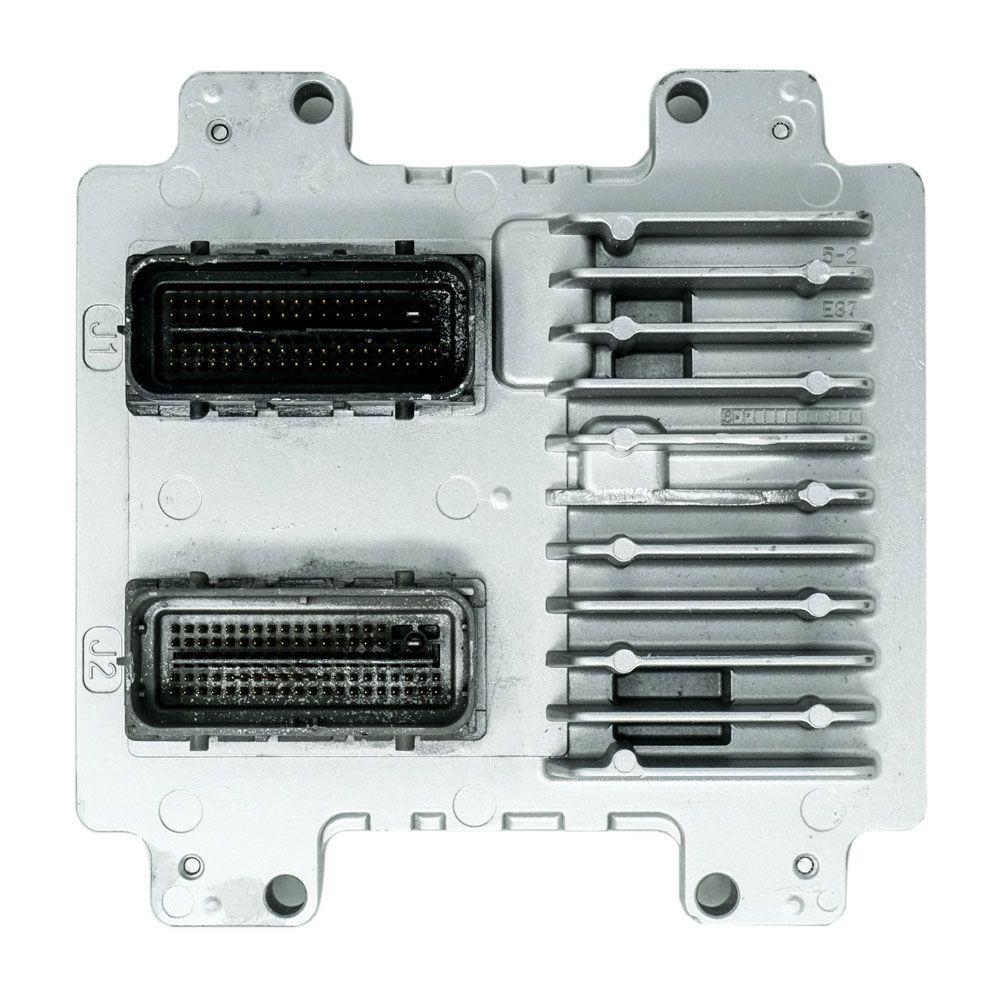
Flagship One stocks a refurbished, VIN-programmed PCM for the 2012 Chevrolet Silverado with a lifetime warranty, free shipping and no core charge. The full Chevrolet Silverado module lineup covers other engine configurations as well.
The ECM in your 2012 Chevrolet Silverado plays a critical role in engine performance and drivability. If you’re experiencing symptoms like stalling, rough idling, or trouble codes, addressing the issue promptly can prevent further complications. Whether you opt for repair or replacement, understanding the labor and programming requirements will help you make an informed decision for your vehicle.