
Last updated on August 25th, 2026 at 02:18 pm
The Powertrain Control Module in a 2013 Chevrolet Silverado 4.3L acts as the central brain for engine and transmission operation, interpreting sensor data and issuing control signals. Failure often results in erratic engine behavior, loss of power, or communication issues with diagnostic tools.
If you own a 2013 Chevrolet Silverado equipped with the 4.3‑liter V6, you may notice unsettling symptoms such as unexpected stalling or a complete loss of power. These issues can stem from a malfunctioning Powertrain Control Module (PCM), the component that orchestrates the engine and transmission’s performance. Understanding the PCM’s role and how to address its failures empowers you to take decisive action. This guide walks you through the replacement process, the necessary programming steps, and practical tips to keep your PCM reliable. By the end, you will know exactly what to expect during service and how to restore your Silverado’s confidence on the road.
The Powertrain Control Module (PCM) in a 2013 Chevrolet Silverado 4.3L interprets inputs from a network of sensors—such as crankshaft position, throttle position, and coolant temperature—and translates them into precise actuator commands for fuel injection, ignition timing, and transmission shifting. This coordination ensures efficient combustion, smooth acceleration, and optimal fuel economy. When the PCM fails, the engine may misfire, stall, or run at an incorrect idle speed, and the transmission may shift erratically. replacement engine computers for the Silverado The PCM’s software also manages safety features like traction control, so a defective unit can compromise both performance and safety. Knowing how the PCM operates helps you recognize warning signs and decide when professional replacement is warranted.
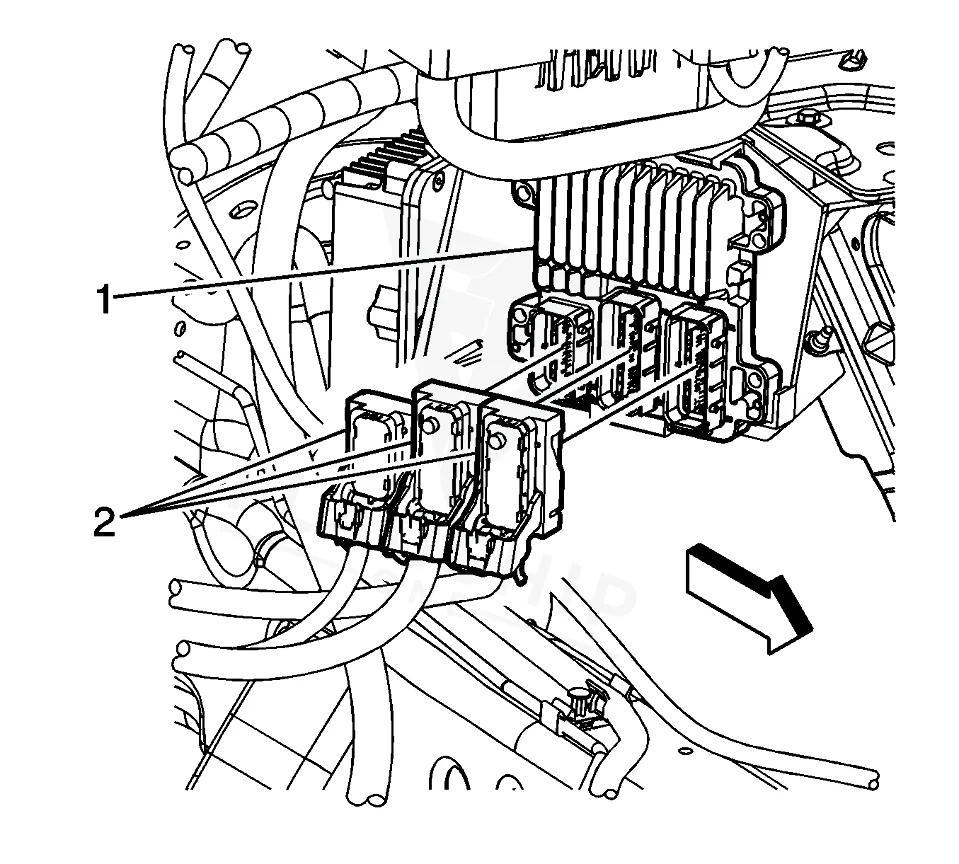
Work with the ignition off, and treat the module as static-sensitive: avoid touching the connector pins at any point.
| Operation | Configuration | Book Time |
|---|---|---|
| Powertrain Control Module R&R | Silverado 1500 | 1.4 hr |
| Powertrain Control Module R&R | Silverado 2500 HD | 1.4 hr |
| Powertrain Control Module R&R | Silverado 3500 HD | 1.4 hr |
| Powertrain Control Module Relearn | Silverado 1500 | 0.5 hr |
| Powertrain Control Module Relearn | Silverado 2500 HD | 0.5 hr |
| Powertrain Control Module Relearn | Silverado 3500 HD | 0.5 hr |
| Engine Control Module R&R | Silverado 1500 | 1.4 hr |
| Engine Control Module R&R | Silverado 2500 HD | 1.4 hr |
2013 Chevrolet Silverado 4.3L
OEM programmed ECM for your 2013 Chevrolet Silverado 4.3L — plug & play, no dealer visit.
Free shipping · Lifetime warranty
After installing a new PCM, the factory procedure requires a relearn of the turbocharger and a reprogramming of the glow plug control module. Because Flagship One units arrive VIN‑programmed, those steps are pre‑completed, so you can skip the relearn cycle and the glow plug update. a VIN-programmed replacement unit The only remaining task is to verify that the module’s internal clock and sensor calibrations match the vehicle’s specifications, which the pre‑programmed unit already provides. This streamlined approach reduces labor and ensures immediate readiness.
When the PCM in a 2013 Chevrolet Silverado 4.3L is failing, you may notice a variety of symptoms such as a sudden loss of power while cruising, frequent stalling at idle, or inconsistent throttle response. The engine might also misfire, leading to a rough idle and reduced fuel economy. Diagnostic tools will often report dead or intermittent communication with the module, and you may see trouble codes that involve memory or communication errors. For example, a reported P0601 code indicates a memory operation error within the PCM. These indicators suggest that the module’s firmware or hardware is compromised, and replacement should be considered.
The following internal trouble codes are documented for the 2013 Chevrolet Silverado 4.3L PCM. Each code reflects a specific fault within the module’s memory or communication pathways. Refer to this list when troubleshooting persistent issues that cannot be resolved by external sensor checks.
The factory service bulletins relevant to the 2013 Chevrolet Silverado 4.3L include #08-06-04-006, which details identification of non‑GM ECM calibration use and power‑up hardware detection in Duramax Diesel Engines. Bulletin #PIP4798H addresses parts restriction for the 2012 and 2013 6.6L Duramax Engine Control Module, highlighting calibration verification numbers and transmission data. These bulletins provide guidance on calibration verification and part compatibility.
| Bulletin | Subject | What It Addresses |
|---|---|---|
| 08-06-04-006 | Information for Identifying Non-GM ECM Calibration Use and Power-up Hardware Detection in Duram | — |
| — | 2012 and 2013 6.6L Duramax Engine Control Module Parts Restriction – (Jul 12, 2013) | — |
Yes, the PCM controls transmission shift points. After replacement, a relearn of the turbocharger and reprogramming of the glow plug module ensure that shift logic is correctly re‑established. The new unit is programmed for your specific VIN, so shifting should return to factory settings.
The pre‑programmed PCM already contains the default driver‑mode parameters for the 2013 Silverado 4.3L. No additional driver‑mode resets are required unless you wish to customize settings manually.
A diagnostic scan is recommended to confirm that no other components are contributing to the symptoms. Once the PCM is replaced, a quick scan will verify that no new codes appear.
The book time for replacement is 1.4 hours, covering removal, installation, and basic electrical checks. Additional time may be needed for a full diagnostic scan.
If your Silverado is still under warranty, the replacement should be covered. However, ensure that the service is performed by an authorized dealer or a certified technician to preserve warranty coverage.
When your 2013 Chevrolet Silverado 4.3L shows signs of PCM failure, you can choose between a standard repair or a refurbished replacement. Both options are available with a VIN‑programmed unit that eliminates the need for relearn procedures. The refurbished units are engineered to match the original performance, giving you confidence that your Silverado will return to reliable operation.
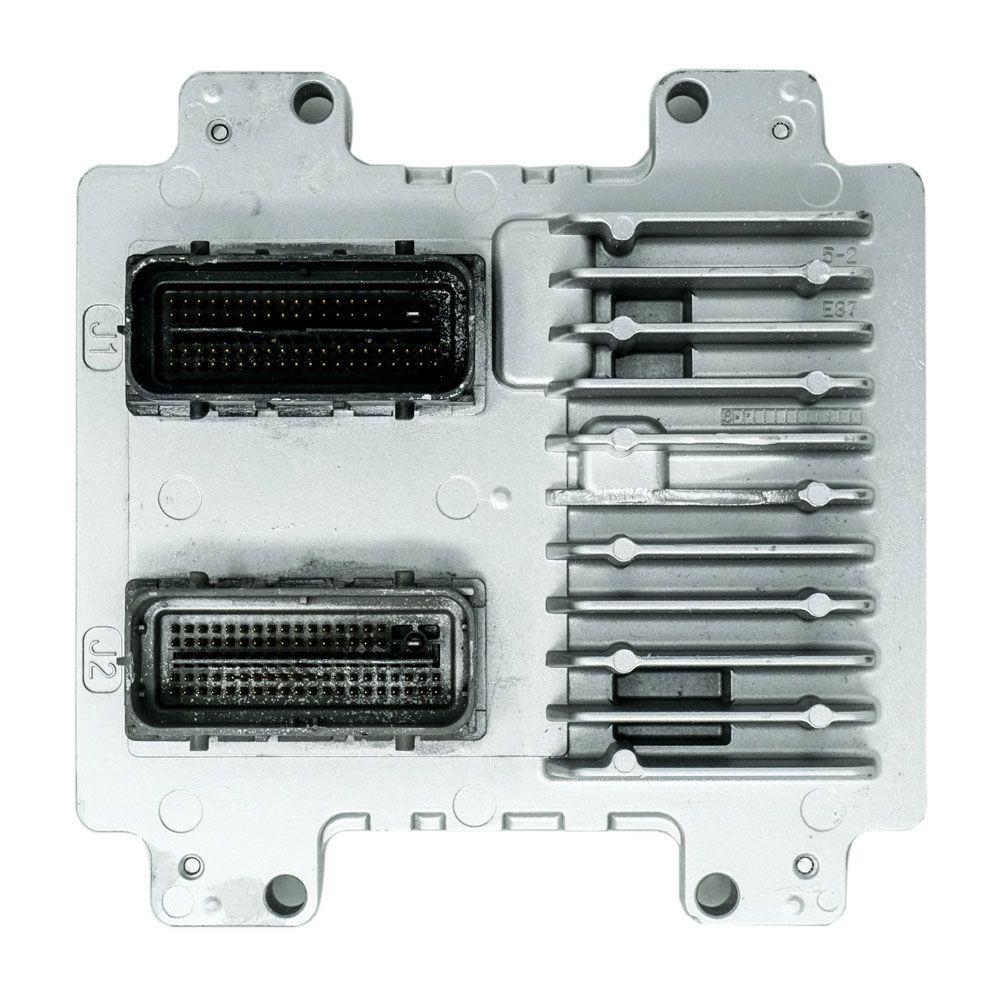
Flagship One stocks a refurbished, VIN-programmed PCM for the 2013 Chevrolet Silverado with a lifetime warranty, free shipping and no core charge. The full Chevrolet Silverado module lineup covers other engine configurations as well.
A 2013 Chevrolet Silverado 4.3L can benefit greatly from a timely PCM replacement when symptoms like stalling or misfires appear. By choosing a pre‑programmed unit and following the outlined procedure, you can restore smooth performance and safeguard your vehicle’s longevity.