
Last updated on August 25th, 2026 at 02:24 pm
The Engine Control Module (ECM) in your 2010 Chevrolet HHR is the central computer managing fuel delivery, ignition timing, and emissions systems. When this processor fails, the engine may not run properly or the vehicle may not start at all.
If your 2010 Chevrolet HHR with the 2.2L engine is experiencing starting problems, stalling, or diagnostic trouble codes that point to the Engine Control Module, you are likely facing an ECM failure scenario. The ECM serves as the brain of your engine management system, and when it malfunctions, your vehicle may not run properly or may fail to start altogether. This guide explains what the ECM does in your specific vehicle, common failure symptoms, the replacement process, and the programming considerations that come with installing a new module. Understanding these factors helps you make informed decisions about repair options and avoid common pitfalls that can damage replacement modules.
The Engine Control Module in your 2010 Chevrolet HHR is the primary computer responsible for managing the engine’s operating parameters. It monitors inputs from various sensors throughout the powertrain and adjusts fuel delivery, ignition timing, and emissions control systems in real time to maintain optimal performance and fuel efficiency. This module communicates with the Transmission Control Module and other vehicle systems to ensure smooth operation. When the internal processor or memory of the ECM becomes corrupted or fails electrically, the module can no longer properly control engine functions, leading to drivability issues. Replacement engine computers for the HHR are available from specialty suppliers who program the units with your specific vehicle identification number before shipping.
Flagship One keeps Chevrolet HHR replacement engine computers in stock for exactly this failure pattern.
The Engine Control Module on your 2010 Chevrolet HHR is located within the engine compartment or behind interior panels, requiring careful access procedures. Replacement involves removing the failed module, installing the new unit, and performing the relearn procedure. Book time for ECM R&R on this vehicle is 0.9 hours, with an additional 0.5 hours allocated for the relearn procedure. The factory caution specifically warns against allowing the metal case of the control module to contact battery voltage during service, which can permanently damage the replacement unit. Always disconnect battery power before handling the module and avoid using battery booster cables or chargers that could inadvertently apply voltage to the module housing. Ground connections and connector integrity are critical during installation.
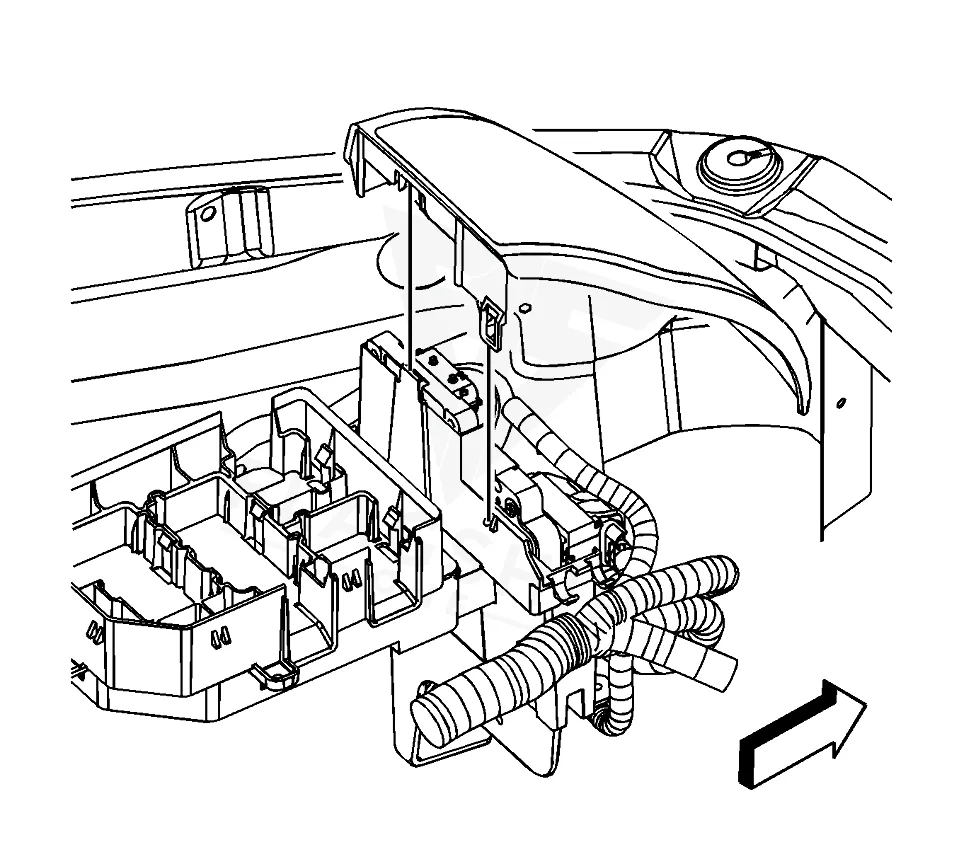
Work with the ignition off, and treat the module as static-sensitive: avoid touching the connector pins at any point.
| Operation | Configuration | Book Time |
|---|---|---|
| Powertrain Control Module R&R | All configurations | 0.9 hr |
| Engine Control Module R&R | All configurations | 0.9 hr |
| Engine Control Module Relearn | All configurations | 0.5 hr |
2010 Chevrolet HHR
OEM programmed ECM for your 2010 Chevrolet HHR — plug & play, no dealer visit.
Free shipping · Lifetime warranty
After replacing the ECM on your 2010 Chevrolet HHR, the factory procedure requires capturing the existing module data with a scan tool before removal, then performing a relearn procedure once the new module is installed. Special equipment and the correct program and calibration file specific to your vehicle are required to complete this process. The relearn procedure takes approximately 0.5 hours of labor. Flagship One units arrive as a VIN-programmed replacement unit, meaning the module is pre-loaded with your vehicle’s specific calibration and identification data, eliminating the need for you to source programming equipment or have the module reprogrammed at a dealership.
Every VIN-programmed replacement unit from Flagship One arrives with these steps already completed.
When the ECM fails on your 2010 Chevrolet HHR, you may experience a no-start condition where the engine cranks but will not run. The vehicle may stall unexpectedly during operation, and you might notice rough idle or misfire symptoms. Common trouble codes that indicate internal ECM problems include internal memory check sum error which points to corrupted memory within the module. The scan tool may fail to communicate with the ECM entirely, or you may see multiple unrelated fault codes across different systems. In some cases, the transmission may exhibit shifting irregularities because the ECM and TCM communicate closely. These symptoms often appear suddenly without warning, as the internal processor of the module fails catastrophically.
The 2010 Chevrolet HHR with 2.2L engine may store several module-internal trouble codes when the ECM experiences internal failures. These codes indicate various internal processor, memory, or calibration faults within the control module itself rather than faults in external sensors or wiring.
| Code | Meaning | Full Guide |
|---|---|---|
| P0601 | Internal memory checksum error | Full P0601 guide → |
| P0602 | Control module programming error | Full P0602 guide → |
| P0603 | Keep-alive memory (KAM) error | Full P0603 guide → |
| P0604 | Internal RAM error | Full P0604 guide → |
| P0606 | Module processor failure | Full P0606 guide → |
| P062F | Internal EEPROM error | Full P062F guide → |
| P064D | Module-internal fault | — |
| P1621 | Control module long-term memory performance | Full P1621 guide → |
| P167D | Module-internal fault | — |
Factory service bulletin #05-07-30-016 addresses a known issue where the Transmission Control Module can be shorted to battery voltage during diagnosis, service procedures, or jump starting. This condition can damage the TCM and related control modules. The bulletin emphasizes proper jump-starting procedures and cautions against allowing battery voltage to contact module cases or connectors. Following these guidelines helps protect both the TCM and ECM from voltage spike damage during emergency service situations.
| Bulletin | Subject | What It Addresses |
|---|---|---|
| 05-07-30-016 | Transmission Control Module (TCM) Shorted to Battery Voltage During Diagnosis, Service or Jump | — |
No. The ECM must be programmed with your specific vehicle identification number and calibration data. Units that arrive unprogrammed require dealership equipment and software to become functional in your vehicle.
Mechanical replacement is possible for someone with intermediate DIY skills, but the relearn procedure typically requires a scan tool. Additionally, you must follow factory cautions about handling the module to avoid static damage or battery voltage contact.
A failed ECM will leave your vehicle inoperable. Even if the engine runs intermittently, the lack of proper engine management will cause poor performance, reduced fuel economy, and potential emissions issues that will fail inspection.
When your 2010 Chevrolet HHR requires an ECM replacement, you have two primary options: repair the existing module or install a refurbished replacement. Repair involves returning your original unit for service, while a refurbished replacement arrives ready to install. Flagship One specializes in providing module replacements programmed specifically for your vehicle, saving you the time and expense of dealership programming. Consider your budget, timeline, and warranty preferences when choosing between these options.
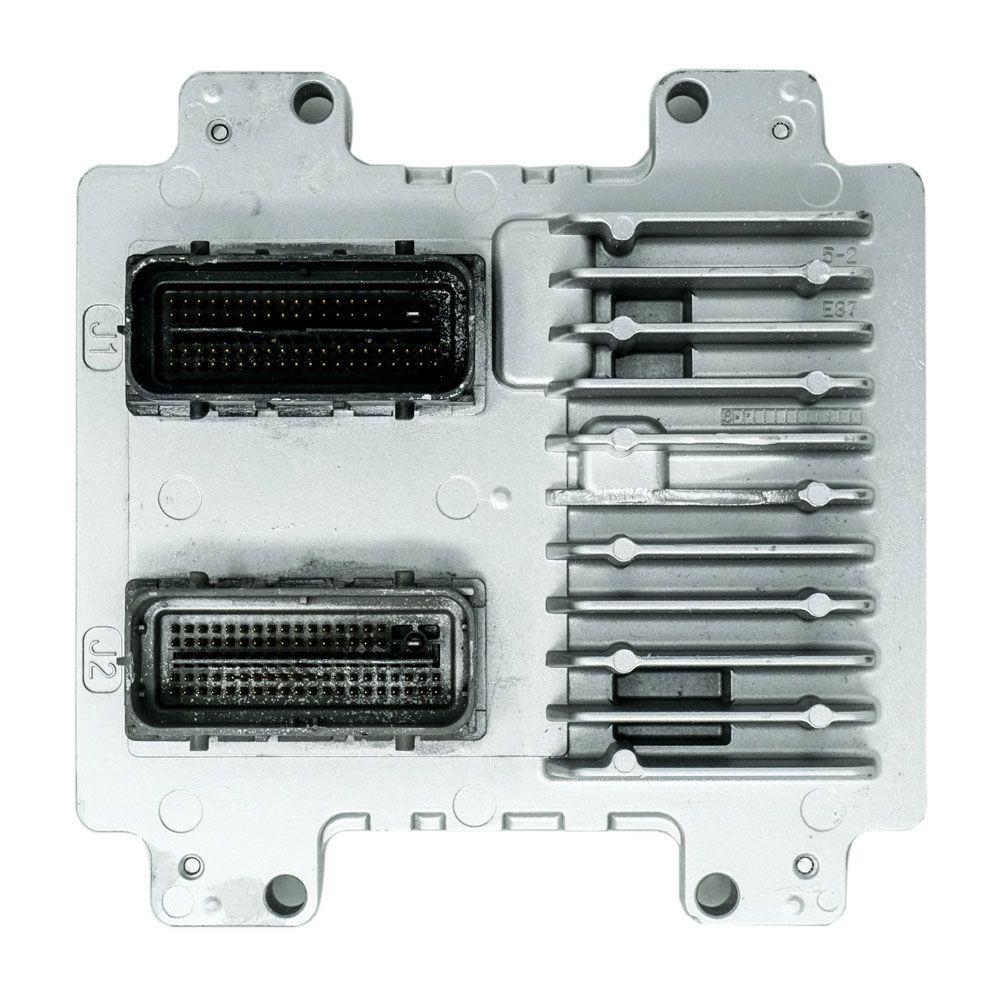
Flagship One stocks a refurbished, VIN-programmed PCM for the 2010 Chevrolet HHR with a lifetime warranty, free shipping and no core charge. The full Chevrolet HHR module lineup covers other engine configurations as well.
The Engine Control Module in your 2010 Chevrolet HHR is a critical component that manages essential engine functions. When failure occurs, your vehicle may not run or may exhibit various drivability symptoms. Understanding the replacement process, programming requirements, and factory cautions helps ensure a successful repair. Whether you choose a refurbished replacement or repair option, having a properly programmed module installed restores your vehicle’s reliability.