
Last updated on August 25th, 2026 at 02:26 pm
The engine control module (ECM) in the 2007 Chevrolet HHR 2.2L manages fuel delivery, ignition timing, and emissions. When it fails, the engine may crank without starting, run erratically, or trigger internal fault codes.
When your 2007 Chevrolet HHR 2.2L exhibits a no-start condition, stalling, or communication failures, the engine control module may be the root cause. This component orchestrates everything from fuel delivery to ignition timing, and its failure can leave you stranded. Understanding how the ECM works, what symptoms to watch for, and how to replace it correctly can save you time and frustration. This guide explains the module’s role, the factory replacement steps, and how a pre-programmed unit simplifies the process so you can get your HHR back on the road with confidence.
The engine control module in your 2007 Chevrolet HHR 2.2L is the central computer that manages critical engine functions. It processes data from sensors—such as the crankshaft position, throttle position, and oxygen sensors—to adjust fuel injection, ignition timing, and emission controls in real time. When the ECM malfunctions, the engine may crank but not start, stall unexpectedly, or run poorly. Internal circuit failures can also prevent the module from communicating with a scan tool, making diagnosis difficult. Because the ECM is integral to the vehicle’s operation, a faulty unit must be replaced with a properly programmed module. Many owners choose replacement engine control modules for the 2007 Chevrolet HHR that are pre-loaded with the correct VIN and calibrations, avoiding the need for dealer-level programming tools.
The engine control module is mounted in the engine compartment. Replacement involves disconnecting the battery, removing the module from its bracket, and unplugging the electrical connectors. The book time for removal and installation is 0.9 hours. After installing a new ECM, a security relearn procedure is required, which takes an additional 0.5 hours. Always handle the module carefully—the factory service information warns that allowing the metal case to contact battery voltage can damage the unit. Before removing the original ECM, use a scan tool to capture its data so it can be restored to the replacement module if you are not using a pre-programmed unit.
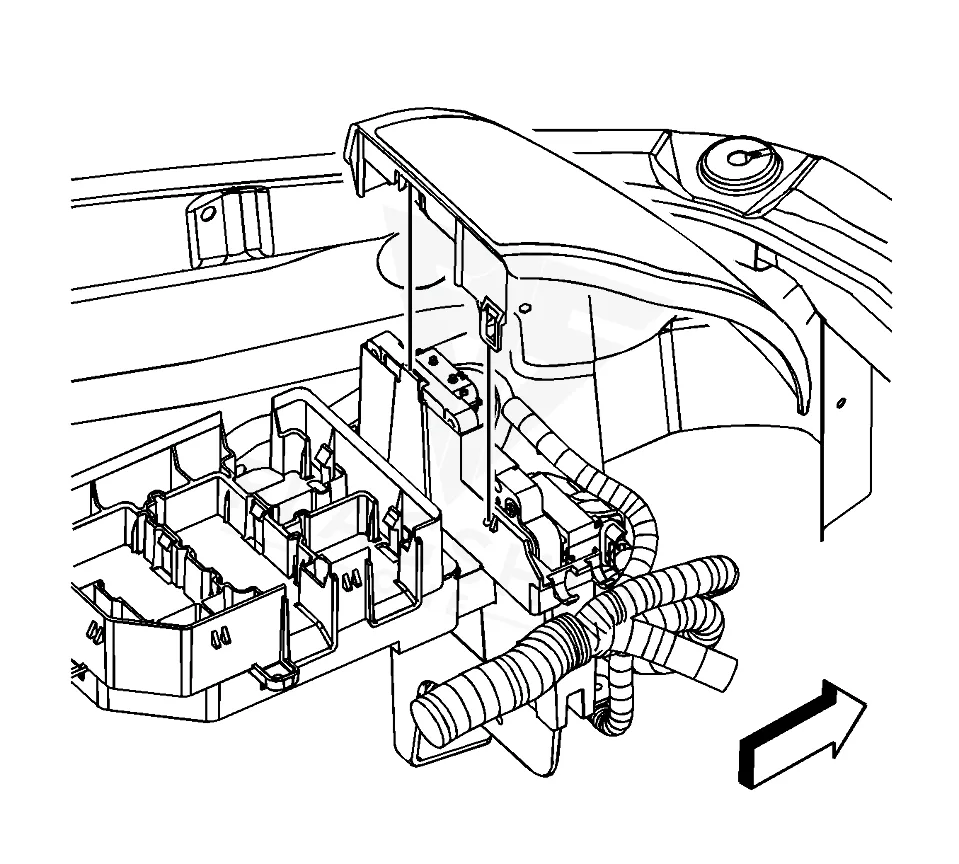
Work with the ignition off, and treat the module as static-sensitive: avoid touching the connector pins at any point.
| Operation | Configuration | Book Time |
|---|---|---|
| Powertrain Control Module R&R | All configurations | 0.9 hr |
| Engine Control Module R&R | All configurations | 0.9 hr |
| Engine Control Module Relearn | All configurations | 0.5 hr |
2007 Chevrolet HHR 2.2L
OEM programmed ECM for your 2007 Chevrolet HHR 2.2L — plug & play, no dealer visit.
Free shipping · Lifetime warranty
The factory procedure requires that you capture the original ECM data with a scan tool before removal and then restore that data to the new module after installation. This step ensures the replacement ECM contains the correct vehicle-specific calibrations and immobilizer information. When you install a VIN-programmed replacement ECM from Flagship One, this programming is already completed. The unit arrives with your vehicle’s VIN and immobilizer data pre-loaded, so you can skip the data capture and restore process entirely. Simply install the module, perform the security relearn, and the vehicle is ready to start.
A failing ECM in the 2007 Chevrolet HHR 2.2L often produces a no-start condition where the engine cranks but does not fire. You may also experience intermittent stalling, rough running, or misfire codes that cannot be traced to ignition or fuel components. The check engine light may illuminate, and a scan tool may fail to communicate with the module. In some cases, the transmission may exhibit harsh or erratic shifting because the ECM shares data with the transmission control system. A stored internal memory checksum error that returns immediately after clearing is a strong indicator of an internal module fault rather than a wiring issue.
The following diagnostic trouble codes are stored within the ECM and typically indicate an internal module failure. When these codes appear and basic checks confirm good power, ground, and communication circuits, the ECM itself is likely defective.
Service Bulletin PIP4224B, released on April 4, 2008, cancelled a previous part restriction for the engine control module on certain 2007 Chevrolet HHR models. The bulletin, titled “Cancellation of E-37 Engine Control Module (ECM) Part Restriction,” indicates that the restriction was lifted, allowing wider availability of replacement ECMs for this vehicle. No other bulletins related to the ECM were noted for this model year.
| Bulletin | Subject | What It Addresses |
|---|---|---|
| — | Cancellation of E-37 Engine Control Module (ECM) Part Restriction – (Apr 4, 2008) | — |
Repairing a failed ECM is rarely practical due to the complexity of internal circuit damage. A refurbished or remanufactured replacement offers a reliable, cost-effective solution. For the 2007 Chevrolet HHR 2.2L, a VIN-programmed unit eliminates the need for specialized programming tools and gets your vehicle running sooner. Choosing a pre-loaded module ensures the correct calibrations are already in place, reducing the chance of installation errors.
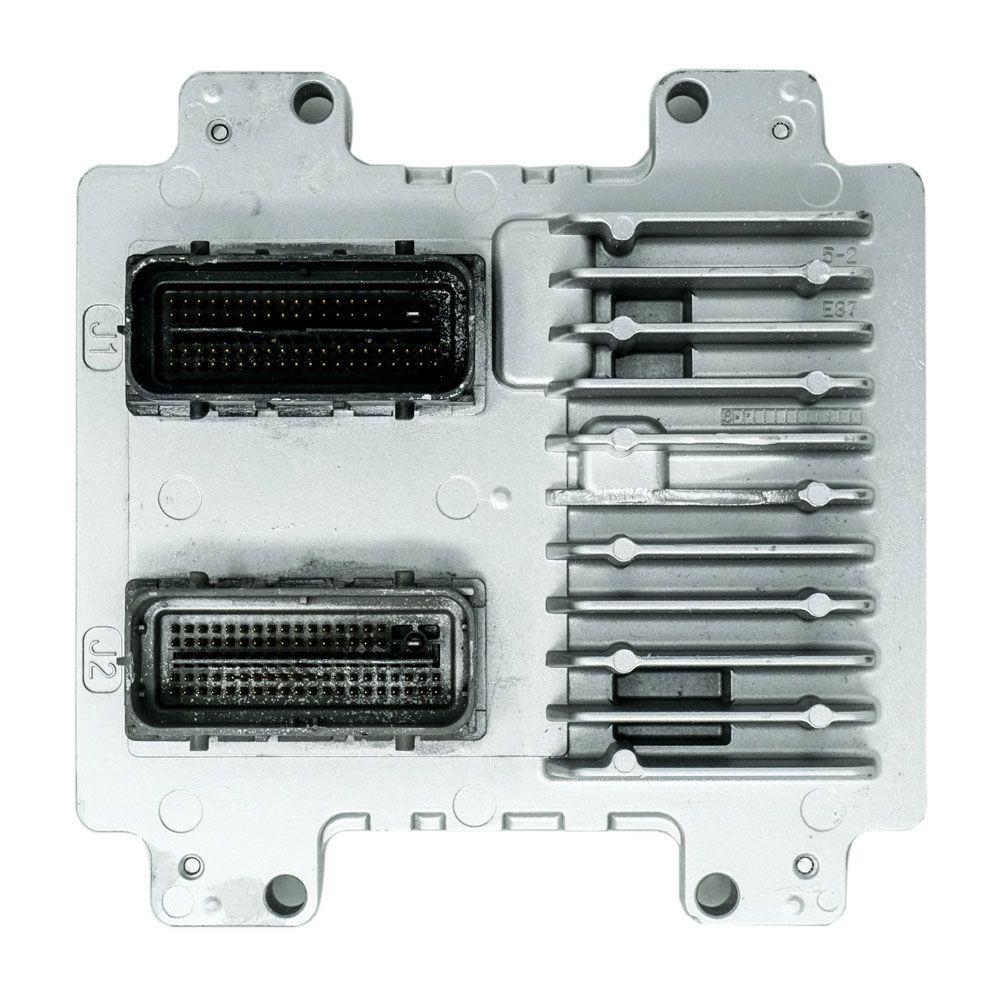
Flagship One stocks a refurbished, VIN-programmed PCM for the 2007 Chevrolet HHR with a lifetime warranty, free shipping and no core charge. The full Chevrolet HHR module lineup covers other engine configurations as well.
When your 2007 Chevrolet HHR 2.2L shows signs of ECM failure, a properly programmed replacement restores dependable performance. By understanding the replacement steps and using a VIN-programmed unit, you can avoid the complexity of dealer-level programming. A ready-to-install module gets you back on the road quickly and with confidence.