
Last updated on August 25th, 2026 at 01:03 pm
The Powertrain Control Module (PCM) in your 2003 Mercury Mountaineer 4.6L is the main computer that manages engine and transmission functions. When it fails, you may experience no-start, stalling, erratic shifting, or check-engine lights. Replacement requires careful programming to match your vehicle’s VIN and options.
If your 2003 Mercury Mountaineer with the 4.6L V8 is experiencing intermittent stalling, hard starting, or transmission shifting problems, the Powertrain Control Module (PCM) may be at fault. This computer is the brain of your vehicle’s engine and transmission management system. It interprets sensor data, adjusts fuel and spark, and controls shift solenoids. When it fails, the entire drivetrain can behave erratically. This article explains what the PCM does in your Mountaineer, where it is located, how replacement is performed, and what programming steps are required. You will also learn about a factory service bulletin addressing speed control diagnostics. Understanding these details helps you make an informed decision about repair versus replacement, and what to expect from a pre-programmed unit.
2003 Mercury Mountaineer 4.6L
OEM programmed ECM for your 2003 Mercury Mountaineer 4.6L — plug & play, no dealer visit.
Free shipping · Lifetime warranty
The Powertrain Control Module (PCM) in your 2003 Mercury Mountaineer 4.6L is a single computer that integrates engine and transmission control. It receives input from sensors such as the crankshaft position sensor, throttle position sensor, oxygen sensors, and vehicle speed sensor. Based on this data, it calculates fuel injector pulse width, ignition timing, and transmission shift patterns. The PCM also monitors system health and sets diagnostic trouble codes when it detects a fault. In the Mountaineer, the PCM is critical for maintaining drivability, fuel economy, and emissions compliance. A failing PCM can cause a range of issues from a no-start condition to erratic shifting. When replacement becomes necessary, you need a unit that matches your vehicle’s specific calibration. That is where replacement PCMs for the 2003 Mountaineer come into play, as they must be programmed with the correct VIN and options to function properly.
The PCM in the 2003 Mercury Mountaineer 4.6L is typically located behind the passenger side kick panel, near the firewall. To access it, you may need to remove the interior trim panel and possibly the glove box. The module is secured with bolts or screws. Replacement involves disconnecting the battery, unplugging the two large wiring harness connectors, removing the mounting fasteners, and lifting the old unit out. Installation is the reverse. According to factory labor times, the removal and replacement (R&R) of the PCM is allotted 0.6 hours. After installation, a PCM reset procedure takes 0.3 hours, and a relearn procedure takes 0.5 hours. These times reflect the book rate for a professional technician working on this specific vehicle.
| Operation | Configuration | Book Time |
|---|---|---|
| Engine Control Module Reset | All configurations | 0.3 hr |
| Engine Control Module Relearn | All configurations | 0.5 hr |
| Engine Control Module R&R | All configurations | 0.6 hr |
| Powertrain Control Module R&R | All configurations | 0.6 hr |
| Powertrain Control Module Relearn | All configurations | 0.5 hr |
After installing a new PCM in your 2003 Mercury Mountaineer 4.6L, the factory procedure requires a PCM reset and a relearn. The reset clears adaptive memory, and the relearn allows the module to recalibrate to your engine and transmission. This process typically involves using a scan tool to perform the relearn, which takes 0.5 hours of labor. However, when you purchase a VIN-programmed replacement unit from Flagship One, the module arrives already programmed with your vehicle’s VIN and calibration data. This means the reset and relearn steps are already completed, so you can install the unit and start the engine without needing a dealer visit or specialized equipment.
Common symptoms of a failing PCM in the 2003 Mercury Mountaineer 4.6L include a no-start condition where the engine cranks but does not fire, intermittent stalling while driving, and misfire codes that do not trace to ignition or fuel system faults. You may also notice transmission shifting problems such as harsh shifts, delayed engagement, or the transmission staying in one gear. Another sign is a check engine light with codes that indicate internal PCM failure, such as a processor fault or communication error. The PCM may also lose communication with scan tools, making diagnosis difficult. If you experience these issues, the PCM should be tested before replacing other components.
Factory Service Bulletin #06-08-03 addresses speed control diagnostic tips for the PCM in the 2003 Mercury Mountaineer 4.6L. This bulletin provides guidance for technicians when diagnosing speed control (cruise control) issues that may be related to the PCM. It includes specific test procedures and wiring checks to isolate the problem. If your Mountaineer’s cruise control is inoperative or erratic, this TSB is a valuable resource for proper diagnosis before replacing the PCM.
| Bulletin | Subject | What It Addresses |
|---|---|---|
| 06-08-03 | PCM – SPEED CONTROL DIAGNOSTIC TIPS | — |
Common signs include no-start, stalling, misfire codes that persist after replacing spark plugs and coils, transmission shifting issues, and loss of communication with a scan tool. A professional diagnosis with a multimeter and scan tool can confirm internal PCM failure.
Yes, the PCM is accessible behind the passenger kick panel. The factory book time for R&R is 0.6 hours. However, you will need a programmed unit. A pre-programmed PCM from Flagship One can be installed without dealer programming.
This bulletin provides diagnostic tips for speed control (cruise control) issues related to the PCM. It includes wiring checks and test procedures to help technicians identify the root cause before replacing the module.
A used PCM must be programmed with your vehicle’s VIN and calibration. Without proper programming, it may not start or may cause drivability issues. A pre-programmed new or refurbished unit is more reliable.
The factory book time for the PCM relearn procedure is 0.5 hours. This involves using a scan tool to recalibrate the module to your engine and transmission. A pre-programmed unit from Flagship One eliminates this step.
When your 2003 Mercury Mountaineer 4.6L needs a new PCM, you have two main options: have a dealer install and program a new unit, or purchase a pre-programmed replacement from Flagship One. The dealer route involves additional labor for programming and relearn procedures. A pre-programmed unit arrives ready to install, saving time and money. Consider the condition of your vehicle and your budget when deciding.
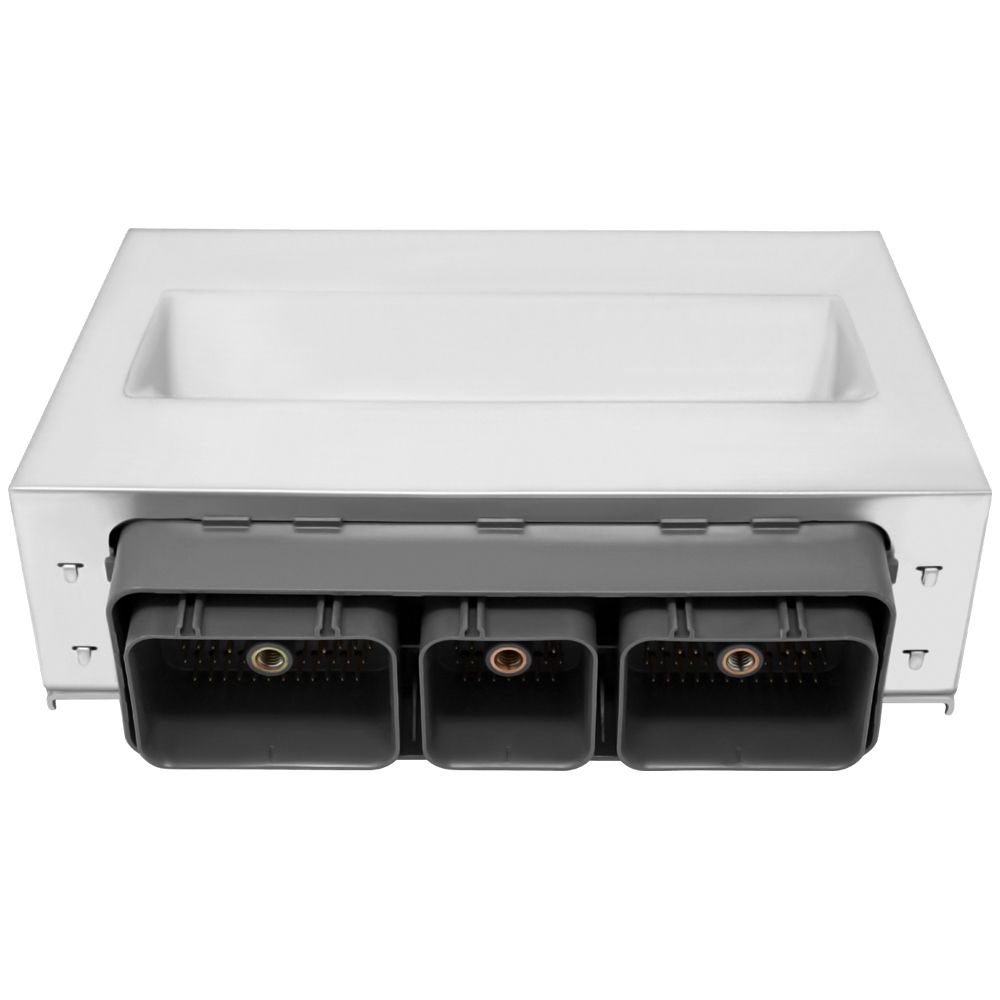
Flagship One stocks a refurbished, VIN-programmed PCM for the 2003 Mercury Mountaineer with a lifetime warranty, free shipping and no core charge. The full Mercury Mountaineer module lineup covers other engine configurations as well.
The PCM in your 2003 Mercury Mountaineer 4.6L is a vital component that controls engine and transmission operation. Recognizing failure symptoms early can prevent being stranded. Replacement is straightforward with the right part. A pre-programmed PCM from Flagship One simplifies the process by eliminating dealer programming. Keep your Mountaineer running reliably with a quality replacement.