
Last updated on August 25th, 2026 at 01:03 pm
The Powertrain Control Module (PCM) in your 2000 Mercury Mountaineer acts as the vehicle’s central computer, managing engine performance and transmission behavior. Failures may trigger warning lights, erratic shifting, or complete no-start conditions.
When your 2000 Mercury Mountaineer begins stalling at stoplights or refuses to start on cold mornings, the Powertrain Control Module (PCM) often becomes the prime suspect. This compact computer, roughly the size of a paperback novel, continuously monitors and adjusts dozens of engine and transmission parameters to keep your 4.0L V6 running smoothly. Unlike simpler sensors that merely report data, the PCM actively makes decisions—adjusting fuel mixtures, spark timing, and shift points based on driving conditions. When it fails, symptoms can range from subtle performance hiccups to complete immobilization. Understanding how this module functions in your specific Mountaineer helps distinguish between a minor sensor issue and a full computer replacement. The good news is that modern replacement options can eliminate much of the dealer programming hassle that once made PCM replacement a multi-day ordeal. With proper diagnosis, you can restore your SUV’s reliability without unnecessary complexity.
The Powertrain Control Module in your 2000 Mercury Mountaineer serves as the brain behind your vehicle’s drivetrain operations. This replacement engine computers for the Mountaineer handles critical functions like fuel injection timing, ignition spark delivery, and automatic transmission shift scheduling. Every time you press the accelerator, the PCM interprets signals from the throttle position sensor and adjusts engine output accordingly. It also monitors emissions systems to ensure compliance with environmental regulations. During cold starts, the module enriches the fuel mixture to prevent stalling, then gradually leans it out as the engine warms. The PCM’s transmission control functions include determining optimal shift points based on vehicle speed, engine load, and driver input. When functioning properly, this module ensures smooth acceleration, optimal fuel economy, and reliable operation across various driving conditions. A failing PCM may cause the engine to run too rich or too lean, leading to poor fuel economy or potential catalytic converter damage over time.
Engine computer (ECM/PCM)
OEM programmed replacements — plug & play, no dealer visit.
Find yours by year, make & model →
Free shipping · Lifetime warranty
The Powertrain Control Module in your 2000 Mercury Mountaineer resides in the engine compartment, typically mounted on the passenger-side inner fender well. Accessing the unit requires removing a protective plastic cover and disconnecting the battery to prevent electrical shorts. The replacement process involves unplugging the wiring harness connector and removing two mounting bolts. Factory labor estimates allocate 0.4 hours for the complete removal and installation procedure. Once the old unit is removed, the new module can be installed in the reverse order, ensuring all connectors are properly seated. The location provides some protection from direct water exposure but remains vulnerable to heat and vibration from the engine bay. Proper torque on the mounting bolts helps prevent module movement that could lead to connector wear over time.
Work with the ignition off, and treat the module as static-sensitive: avoid touching the connector pins at any point.
| Operation | Configuration | Book Time |
|---|---|---|
| Engine Control Module Relearn | All configurations | 0.5 hr |
| Engine Control Module R&R | All configurations | 0.4 hr |
| Powertrain Control Module R&R | All configurations | 0.4 hr |
| Powertrain Control Module Relearn | All configurations | 0.5 hr |
After installing a new Powertrain Control Module in your 2000 Mercury Mountaineer, the factory procedure requires a 0.5-hour relearn process to synchronize the computer with your vehicle’s specific characteristics. This programming step typically involves connecting a scan tool to the OBD-II port and following a series of prompts to calibrate the module. The process ensures proper communication between the PCM and various sensors throughout the vehicle. However, choosing a VIN-programmed replacement unit eliminates this time-consuming step, as the module arrives pre-configured for your specific Mountaineer. This pre-programming includes all necessary vehicle-specific data, allowing for immediate installation and operation. Without this convenience, you would need to visit a dealer or equipped repair shop to complete the programming procedure, potentially adding significant time and cost to the repair process.
A failing Powertrain Control Module in your 2000 Mercury Mountaineer may produce a variety of symptoms that can be frustrating to diagnose. One of the most common indicators is the illumination of the check engine light, often accompanied by specific trouble codes. For instance, you might encounter ignition coil primary circuit faults or related codes P0352 through P0354, which may appear even when no noticeable driveability issues exist. The vehicle may experience intermittent stalling, particularly at idle or during deceleration. Some owners report rough running conditions or hesitation during acceleration, which can mimic fuel system or ignition problems. In more severe cases, the engine may crank but fail to start, leaving you stranded. Transmission shifting irregularities may also occur, with delayed or harsh gear changes that feel out of character for your Mountaineer. Electrical gremlins like erratic gauge readings or intermittent accessory operation can sometimes be traced back to PCM issues as well. Scan tool communication problems, where the diagnostic tool fails to connect with the vehicle’s computer system, often point directly to module failure.
Factory service bulletin #00-24-05 addresses a specific condition in certain vehicles where diagnostic trouble codes P0351 through P0354 may appear without any noticeable driveability concerns. This bulletin applies only to vehicles equipped with a 5.0L engine, which means it does not directly affect your 2000 Mercury Mountaineer with its 4.0L V6. However, the bulletin demonstrates how the manufacturer approaches PCM-related code issues, often providing diagnostic procedures to distinguish between sensor, wiring, and computer problems. While your Mountaineer isn’t covered by this particular bulletin, similar diagnostic approaches may be relevant if you encounter misfire-related codes.
| Bulletin | Subject | What It Addresses |
|---|---|---|
| 00-24-05 | DIAGNOSTIC TROUBLE CODES (DTCS) – DIAGNOSTIC TROUBLE CODES (DTCS) P0351 THROUGH P0354 WITH NO D | — |
While several issues can cause a no-start condition, a failed PCM is certainly possible. The module controls fuel delivery and ignition timing, so if it’s not functioning, the engine won’t run. Before replacing the PCM, check for spark and fuel pressure to rule out simpler ignition or fuel system problems. A scan tool that can’t communicate with the vehicle often points to PCM failure.
The PCM controls shift timing and pressure in your automatic transmission. If the transmission fluid level and condition are good, but shifts feel harsh or delayed, the PCM may be misinterpreting sensor data. A diagnostic scan can reveal transmission-related trouble codes that help distinguish between mechanical transmission issues and computer problems.
While physically compatible, a used PCM from another vehicle requires programming to match your Mountaineer’s specific configuration. This typically involves a dealer visit for VIN programming and a relearn procedure. Without proper programming, the used module may not function correctly or could cause additional issues.
Intermittent stalling can be caused by several issues, including a failing PCM. The module controls idle speed and fuel delivery, so if it’s malfunctioning, the engine may not maintain proper idle. Other possibilities include a faulty idle air control valve, vacuum leaks, or problems with the crankshaft position sensor. A diagnostic scan can help identify the root cause.
The physical replacement of the PCM typically takes 0.4 hours according to factory labor estimates. However, if you’re using a non-programmed unit, you’ll need to add 0.5 hours for the required relearn procedure. Using a pre-programmed module eliminates this additional step, allowing for immediate operation after installation.
When facing PCM issues in your 2000 Mercury Mountaineer, you have options beyond expensive dealer replacements. A refurbished unit specifically programmed for your vehicle can restore functionality without the wait or programming hassles. This approach maintains your SUV’s original performance characteristics while avoiding the uncertainty of used parts. The 4.0L V6 in your Mountaineer responds well to properly programmed modules, making this a practical solution for many common computer-related drivability issues.
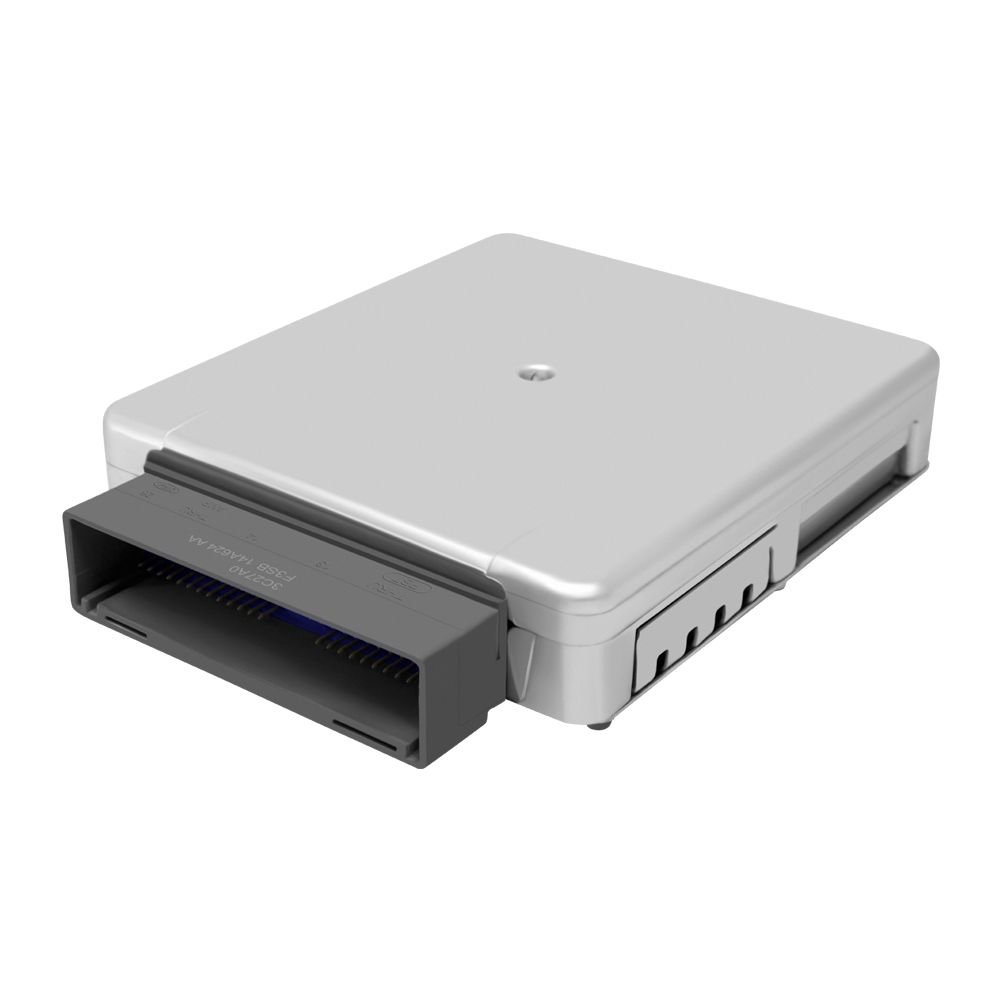
Flagship One stocks a refurbished, VIN-programmed PCM for the 2000 Mercury Mountaineer with a lifetime warranty, free shipping and no core charge. The full Mercury Mountaineer module lineup covers other engine configurations as well.
The Powertrain Control Module plays a vital role in your 2000 Mercury Mountaineer’s operation, managing everything from fuel delivery to transmission shifts. When this computer fails, it can create frustrating symptoms that mimic other mechanical problems. By understanding the module’s functions and common failure signs, you can make informed decisions about diagnosis and repair. Whether you choose a dealer replacement or a pre-programmed unit, addressing PCM issues promptly helps maintain your Mountaineer’s reliability for years to come.