
Last updated on August 25th, 2026 at 11:45 am
The powertrain control module in your 1997 Plymouth Breeze manages fuel injection, ignition timing, and emissions systems. When this onboard computer fails internally due to voltage spikes or component wear, you may experience erroneous warning lights, engine hesitation, or complete communication failures with diagnostic scan tools.
Your 1997 Plymouth Breeze relies on an onboard computer to coordinate engine functions, yet many owners encounter confusing symptoms when this module begins to fail after years of service. You might notice intermittent stalling at traffic signals, unexplained warning lights on the dashboard, or difficulty communicating with diagnostic equipment during routine service appointments at your repair shop. Understanding how this powertrain control module operates helps you distinguish between genuine component failure and simpler wiring or sensor issues that mimic computer problems but require different solutions. This guide explains what the module controls in your specific vehicle, why factory relearn procedures matter for proper operation, and how replacement options affect your total repair timeline. You will learn to recognize failure patterns specific to this model year, interpret relevant service bulletins that document known issues, and understand the technical requirements for proper installation. Whether you are currently troubleshooting a no-start condition or planning preventive maintenance for an aging vehicle, the information here provides practical context for informed discussions with your technician. We focus specifically on the documented labor requirements and factory procedures that apply to the 1997 Plymouth Breeze, giving you accurate expectations for diagnostic work and module replacement without unnecessary delays or confusion.
The powertrain control module in your 1997 Plymouth Breeze serves as the central processing unit for engine management, continuously adjusting fuel delivery and ignition timing based on inputs from various sensors throughout the vehicle. This onboard computer monitors crankshaft position, engine coolant temperature, throttle position, and oxygen sensor data to maintain optimal combustion efficiency and emissions control. When you turn the ignition key, the module executes start-up sequences that synchronize fuel injection with cylinder firing order while managing idle speed through the idle air control valve. During normal operation, the computer stores adaptive learning values that fine-tune engine behavior based on your driving habits and environmental conditions. The module also controls the malfunction indicator lamp on your dashboard, storing diagnostic trouble codes when sensors detect readings outside factory parameters. When internal memory or processing circuits degrade from age, heat cycling, or voltage irregularities, you may experience performance issues that seem electrical but originate within the module itself. Selecting replacement engine computers for the Breeze requires understanding that these units must contain the correct calibration for your specific engine and transmission combination. The module communicates with the instrument cluster, transmission controller, and diagnostic scan tools through standardized protocols, making it essential for modern repair procedures. Without proper function, your vehicle cannot maintain closed-loop fuel control or meet emissions standards, potentially causing increased fuel consumption or failed inspection tests.
1997 Plymouth Breeze
OEM programmed ECM for your 1997 Plymouth Breeze — plug & play, no dealer visit.
Free shipping · Lifetime warranty
Replacement of the control module in your 1997 Plymouth Breeze involves specific labor allocations according to standard industry guides. The removal and installation procedure for the powertrain control module typically requires 0.4 hours of technician time, while the engine control module removal and installation similarly requires 0.4 hours. These time allocations cover the mechanical aspects of disconnecting electrical connectors, removing mounting hardware, transferring any necessary components, and securing the new unit. The procedure assumes standard access without additional trim removal or component relocation beyond normal service expectations. Technicians must exercise care when handling these modules to prevent static discharge damage to sensitive internal circuits. After physical installation, the module requires proper mounting torque and secure electrical connections to prevent intermittent faults from vibration or corrosion. While the physical exchange may appear straightforward, the work requires appropriate diagnostic preparation including battery voltage verification and anti-static precautions. The documented labor times reflect efficient workflow conditions and do not include additional time required for diagnostic verification or post-installation programming procedures.
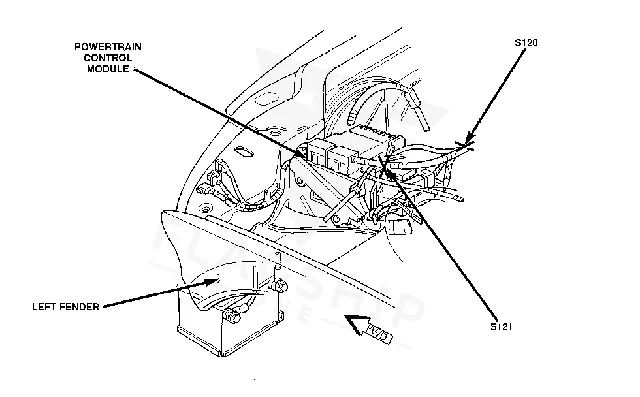
Work with the ignition off, and treat the module as static-sensitive: avoid touching the connector pins at any point.
| Operation | Configuration | Book Time |
|---|---|---|
| Engine Control Module Relearn | All configurations | 0.5 hr |
| Engine Control Module R&R | All configurations | 0.4 hr |
| Powertrain Control Module R&R | All configurations | 0.4 hr |
| Powertrain Control Module Relearn | All configurations | 0.5 hr |
After installing a new control module, your 1997 Plymouth Breeze requires specific factory procedures to ensure proper communication with vehicle systems. The standard labor guide allocates 0.5 hours for engine control module relearn procedures and an additional 0.5 hours for powertrain control module relearn procedures. These processes allow the computer to establish baseline values for throttle position, idle speed, and transmission shift points while clearing any residual adaptive memory from the previous unit. Technicians typically use specialized scan tools to execute these sequences, which may involve specific ignition cycles and driving patterns to complete successfully. However, obtaining a VIN-programmed replacement unit eliminates the need for these time-consuming dealership procedures because the module arrives pre-configured with your vehicle identification number and calibration data. This preparation means your technician can focus on physical installation rather than complex flashing operations. The pre-programmed approach reduces shop time and minimizes risks associated with interrupted programming sequences or incompatible software versions.
When the powertrain control module begins to fail in your 1997 Plymouth Breeze, you may notice several distinctive symptoms that distinguish computer problems from mechanical failures. The engine might stall intermittently at stoplights or refuse to start entirely despite adequate cranking speed and fuel pressure. You could experience unexplained rough idle conditions or hesitation during acceleration that does not respond to typical maintenance like spark plug replacement or fuel filter changes. The malfunction indicator lamp may illuminate steadily or flash, sometimes displaying $6a:erroneous fault indications that confuse diagnostic interpretation. Communication failures between your scan tool and the vehicle network often indicate module internal faults rather than wiring issues. Transmission shifting problems may occur if the computer cannot properly calculate load and throttle position data. Misfire codes might set randomly across multiple cylinders even when ignition components test normally. You may also notice that adaptive learning values reset frequently, causing the engine to run poorly until it relearns idle parameters. In some cases, the module fails to energize the fuel pump relay or ignition coils, creating no-start conditions that mimic failed components. These symptoms often appear intermittently during hot weather or after jump-starting the battery, suggesting internal solder joint failures or memory corruption. Voltage fluctuations from aging alternators or corroded grounds may accelerate these deterioration patterns.
| Bulletin | Subject | What It Addresses |
|---|---|---|
| 18-11-97 | 18-11-97 Erroneous MIL Illumination With Hex Codes $6a, $77, Erroneous PCM | — |
| 18-037-05 | 18-037-05 Flash Programming Failure Recovery Using DRBIII® | — |
| 18-01-98 | 18-01-98 MIL Illumination With Hex Code $3e, Possible Sags/Hesitations/Rough Idle | — |
Intermittent stalling often indicates internal powertrain control module faults where solder joints crack from thermal cycling. The module may lose communication with sensors momentarily before reconnecting, causing brief shutdowns without storing permanent codes.
Factory procedures require 0.5 hours for relearn processes on both engine and powertrain modules. However, VIN-programmed units arrive pre-configured, eliminating dealership flashing requirements and allowing immediate operation after physical installation.
False illumination from hex codes like $6a or $3e typically indicates module interpretation errors rather than mechanical damage. While annoying, these signals do not harm engine components, though they may mask genuine faults if ignored indefinitely.
Standard labor guides allocate 0.4 hours for removal and replacement procedures. Additional time may apply for diagnostic verification and post-installation relearn sequences that ensure proper idle and transmission shift characteristics.
Voltage fluctuations, interrupted communication cables, or low battery charge during programming may corrupt module memory. Service bulletin 18-037-05 outlines recovery procedures using DRBIII equipment when standard programming sequences fail to complete successfully.
When deciding between repair and replacement for your 1997 Plymouth Breeze, consider that refurbished modules offer reliable operation with updated components addressing common failure points. Replacement typically provides faster resolution than attempting circuit-level repairs on aging units, especially when considering the minimal labor time required for installation. Evaluate your vehicle’s overall condition and remaining service life when selecting the appropriate solution for your specific situation.
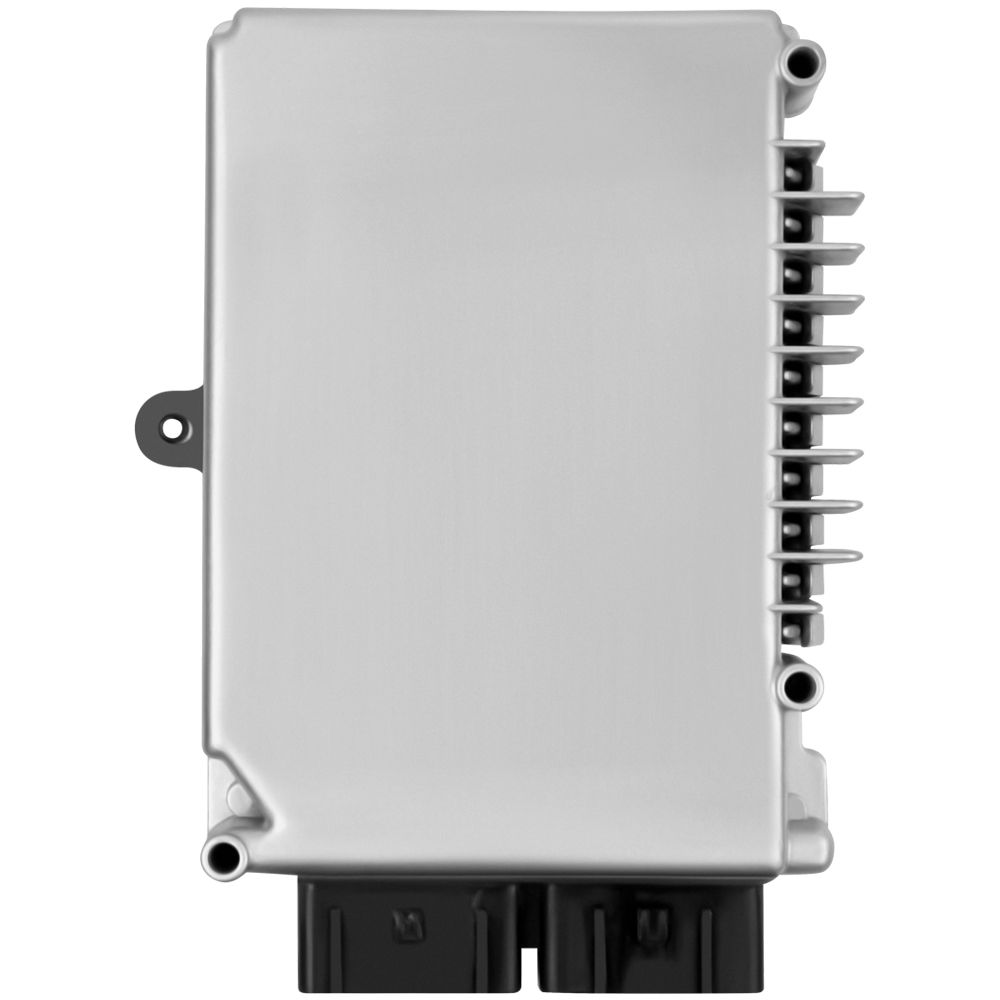
Flagship One stocks a refurbished, VIN-programmed PCM for the 1997 Plymouth Breeze with a lifetime warranty, free shipping and no core charge. The full Plymouth Breeze module lineup covers other engine configurations as well.
Understanding powertrain control module function helps you maintain your 1997 Plymouth Breeze effectively throughout its remaining service life. By recognizing failure symptoms early and following proper installation procedures documented in factory bulletins, you avoid unnecessary repairs and ensure reliable operation for daily driving. Consider pre-programmed replacement options to streamline your service experience and return your vehicle to proper running condition efficiently without extended shop delays or complicated programming visits.