
Last updated on August 25th, 2026 at 12:24 pm
The Powertrain Control Module (PCM) in the 1999 Plymouth Breeze manages engine and transmission functions, coordinating fuel delivery, ignition timing, and shift logic. When it fails, the vehicle may exhibit erratic power delivery, reduced fuel efficiency, or complete loss of engine control.
Replacing the PCM on a 1999 Plymouth Breeze can feel daunting, but a clear step‑by‑step guide makes the process manageable. This article explains why the PCM matters, where it sits inside the vehicle, how to swap it out, and what to expect during the programming phase. By the end, you’ll understand the labor involved, the importance of correct initialization, and how to avoid common pitfalls that could lead to costly mistakes. Whether you’re a seasoned mechanic or a knowledgeable DIYer, the information here equips you to perform a reliable PCM replacement and keep your Breeze running smoothly.
The Powertrain Control Module in the 1999 Plymouth Breeze is the brain behind engine and transmission coordination. It interprets sensor data, controls fuel injection, ignition timing, and shift timing, ensuring optimal performance and emissions control. replacement engine computers for the 1999 Plymouth Breeze This module also handles diagnostic communication, allowing the vehicle’s on‑board system to report trouble codes and monitor performance. When the PCM fails, the vehicle may experience loss of power, rough idling, or inability to start. Proper replacement restores these functions and reestablishes the vehicle’s ability to communicate diagnostic information to the scan tool.
1999 Plymouth Breeze
OEM programmed ECM for your 1999 Plymouth Breeze — plug & play, no dealer visit.
Free shipping · Lifetime warranty
The PCM is located beneath the dashboard on the driver’s side, tucked behind the passenger seat cushion. Accessing it requires removing the front passenger seat and disconnecting the battery to ensure safety. The replacement process involves detaching the existing PCM, disconnecting its wiring harnesses, and installing the new unit. Following the manufacturer’s torque specifications, the harness connectors are reattached and the seat is reinstalled. The labor book times reflect a total of 0.4 hours for the replacement and 0.5 hours for relearn, though actual time may vary slightly with individual shop conditions.
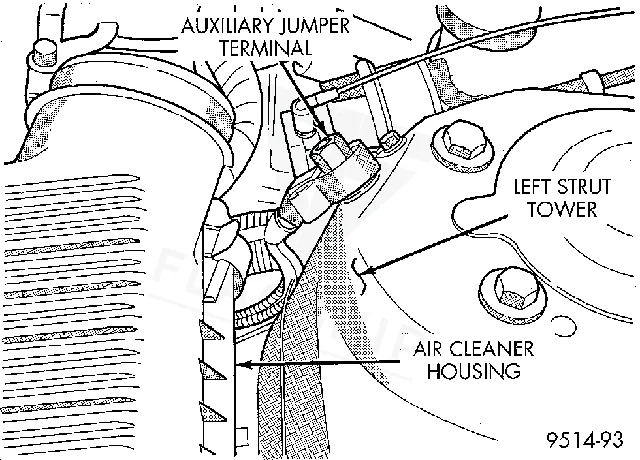
Work with the ignition off, and treat the module as static-sensitive: avoid touching the connector pins at any point.
| Operation | Configuration | Book Time |
|---|---|---|
| Engine Control Module Relearn | All configurations | 0.5 hr |
| Engine Control Module R&R | All configurations | 0.4 hr |
| Powertrain Control Module R&R | All configurations | 0.4 hr |
| Powertrain Control Module Relearn | All configurations | 0.5 hr |
After the new PCM is installed, the factory procedure requires using the DRB Scan Tool to reprogram the unit with the vehicle’s original VIN and mileage. Flagship One units arrive already VIN‑programmed, so this step is effectively bypassed. During the installation, the technician can simply confirm the unit’s readiness by running a quick communication test. VIN‑programmed replacement unit This eliminates the need for manual reprogramming and reduces the chance of data entry errors.
A malfunctioning PCM on a 1999 Plymouth Breeze may manifest as a no‑start condition, erratic idle, or sudden loss of power. You might also notice a check engine light that stays on, or the vehicle may shift poorly or stall unexpectedly. When the PCM is compromised, the diagnostic tool may read a code such as Powertrain Control Module Communication Failure. Addressing these symptoms promptly can prevent further drivetrain damage and restore reliable operation.
The only relevant factory bulletin for the 1999 Plymouth Breeze’s PCM is #08-030-06 Rev. A, which addresses Powertrain Control Module initialization procedures. This bulletin provides guidance on proper relearn steps and diagnostic checks following PCM replacement.
| Bulletin | Subject | What It Addresses |
|---|---|---|
| 08-030-06 Rev. A | 08-030-06 Rev. A Powertrain Control Module Initialization | — |
Replacing the PCM involves removing the old module, installing a new one, and performing a relearn procedure. The process typically takes under an hour when performed by a qualified technician.
Flagship One PCM units come pre‑programmed with the vehicle’s VIN and mileage, so the new unit will match the original settings without additional manual configuration.
After installation, run a diagnostic scan to ensure the PCM communicates correctly and that no error codes are present. A smooth idle and proper shift response are good indicators of success.
A malfunctioning PCM can cause the engine to stall, misfire, or fail to start. It may also trigger a check engine light and affect emission compliance.
Refurbished PCMs can be cost‑effective, but they may not offer the same warranty or long‑term reliability guarantees as a new, VIN‑programmed replacement.
If your 1999 Plymouth Breeze’s PCM shows signs of failure, consider a replacement or refurbishment option that fits your budget and needs. A proper swap restores engine and transmission control, while a refurbished unit can offer savings without sacrificing performance. Discuss your choice with a trusted technician to ensure the best outcome for your vehicle.
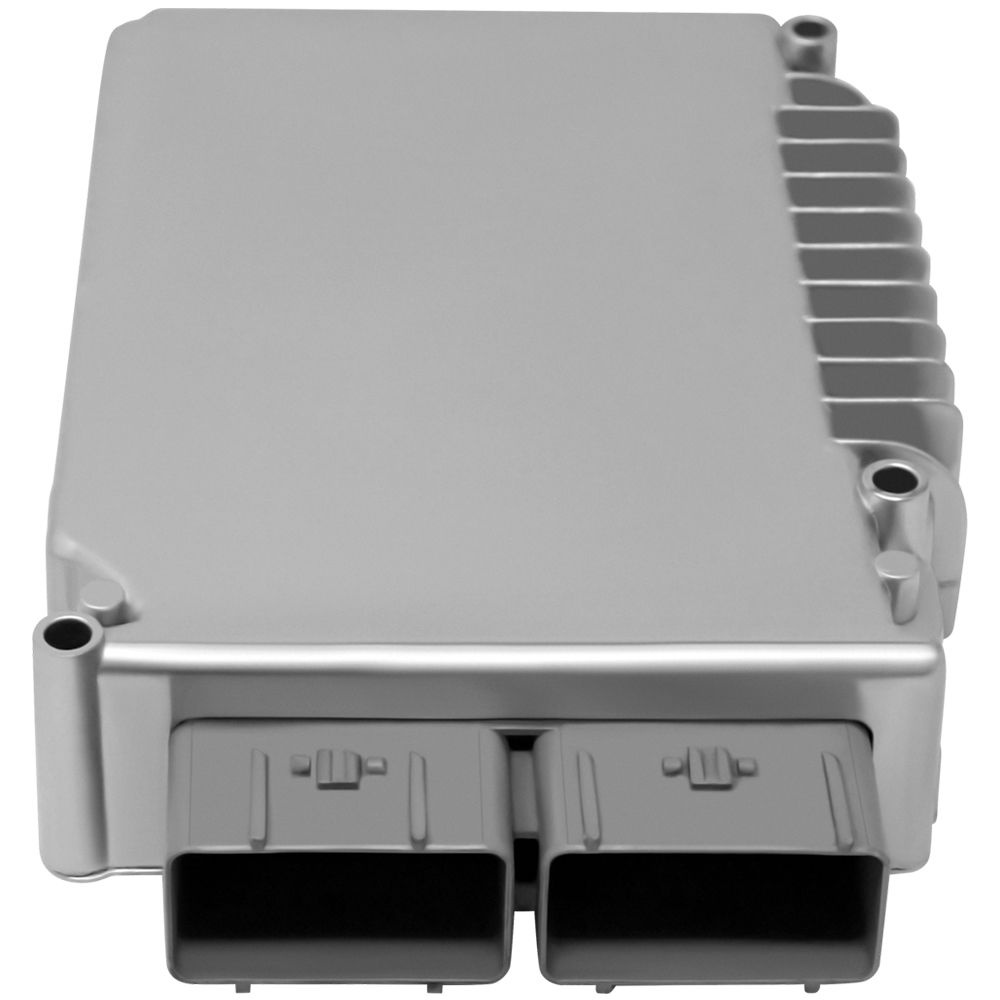
Flagship One stocks a refurbished, VIN-programmed PCM for the 1999 Plymouth Breeze with a lifetime warranty, free shipping and no core charge. The full Plymouth Breeze module lineup covers other engine configurations as well.
A reliable PCM keeps your 1999 Plymouth Breeze running efficiently and safely. Whether you choose a new or refurbished unit, understanding the replacement process helps you maintain your vehicle’s performance and longevity. Take action today to protect your Breeze’s powertrain integrity.