
Last updated on August 25th, 2026 at 12:24 pm
In the 1998 Plymouth Breeze, the Engine Control Module (ECM) and Powertrain Control Module (PCM) manage fuel delivery, ignition timing, and transmission shifting. A failure in either unit can cause loss of power, stalling, or an inability to start, often accompanied by diagnostic trouble codes that indicate loss of communication with the vehicle’s computer network.
When a 1998 Plymouth Breeze begins to exhibit intermittent power loss, hard starting, or unexpected transmission behavior, the underlying cause often points to the vehicle’s electronic control modules. Understanding how the Engine Control Module and Powertrain Control Module operate in this model can help you diagnose the issue and choose the right repair path. This guide explains the role of each computer, typical symptoms of failure, the factory‑approved service bulletins, and what to expect during a replacement. By the end, you will know how to protect the modules, what questions to ask a technician, and why a VIN‑programmed replacement from Flagship One may simplify the process.
The Engine Control Module in a 1998 Plymouth Breeze monitors sensor data to regulate fuel injection, ignition timing, and emissions controls, while the Powertrain Control Module coordinates transmission shift points and torque converter lock‑up. Together they ensure smooth acceleration, fuel efficiency, and compliance with emissions standards. When either module loses communication or provides incorrect commands, the vehicle may experience a range of drivability issues, from rough idle to complete loss of power. Proper operation is essential because the modules act as the brain of the powertrain, interpreting inputs and sending commands to actuators throughout the engine and transmission. For owners seeking replacements, 1998 Plymouth Breeze ECM and PCM represent the specific computer units designed for this model year and engine size.
1998 Plymouth Breeze
OEM programmed ECM for your 1998 Plymouth Breeze — plug & play, no dealer visit.
Free shipping · Lifetime warranty
In the 1998 Plymouth Breeze, the ECM is typically mounted near the firewall on the passenger side, secured with bolts that require a standard torque specification. The PCM resides close to the transmission, often attached to the valve cover or a dedicated bracket. Accessing either unit usually involves removing a few interior panels and disconnecting the electrical connector. The labor guide lists 0.4 hours for removing and reinstalling the ECM and an identical 0.4 hours for the PCM. Relearn procedures add another 0.5 hours for each module, reflecting the time needed to calibrate the replacement with the vehicle’s existing sensors and actuators.
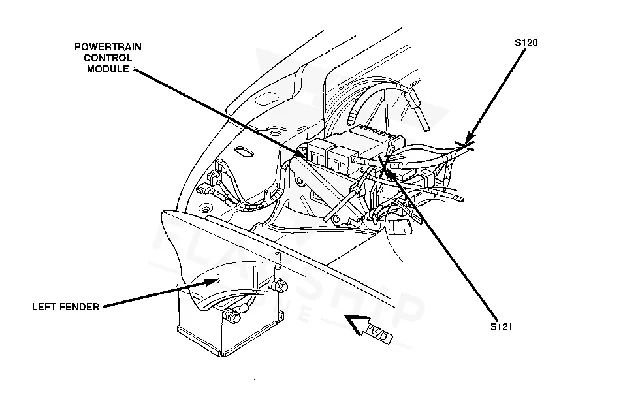
Work with the ignition off, and treat the module as static-sensitive: avoid touching the connector pins at any point.
| Operation | Configuration | Book Time |
|---|---|---|
| Engine Control Module Relearn | All configurations | 0.5 hr |
| Engine Control Module R&R | All configurations | 0.4 hr |
| Powertrain Control Module R&R | All configurations | 0.4 hr |
| Powertrain Control Module Relearn | All configurations | 0.5 hr |
After installing a new ECM or PCM in the 1998 Plymouth Breeze, the factory service procedure requires a relearn operation to synchronize the replacement with the engine and transmission control strategies. This step typically takes about half an hour per module and ensures that fuel trim, idle control, and shift timing are correctly calibrated. Flagship One units arrive pre‑programmed with the vehicle’s VIN, so the required relearn is already completed, eliminating the need for on‑site programming. Using a a VIN‑programmed replacement unit can therefore reduce shop time and the chance of programming errors.
A failing ECM or PCM in a 1998 Plymouth Breeze often presents as a complete no‑start condition, where the engine cranks but does not fire. Intermittent stalling at idle, rough acceleration, and unexpected transmission shifts are also common. Diagnostic trouble codes may appear, such as a communication fault that triggers a communication error code, indicating the control module is not responding to the vehicle’s data bus. Additional signs include illuminated check‑engine lights, loss of fuel trim control, and reduced fuel efficiency. Because the modules control both engine and transmission functions, any malfunction can affect overall drivability and emissions compliance.
Service bulletin #18-037-05 addresses flash programming failures on the ECM and PCM. The bulletin outlines a recovery procedure using the DRBIII® tool to restore proper module operation after a corrupted flash update. Technicians follow the steps to re‑flash the module and verify successful communication with the vehicle’s network.
| Bulletin | Subject | What It Addresses |
|---|---|---|
| 18-037-05 | 18-037-05 Flash Programming Failure Recovery Using DRBIII® | — |
Common indicators include a no‑start condition, rough idle, and a check‑engine light with codes related to fuel delivery or sensor communication. The engine may also run poorly under load.
A faulty PCM can cause harsh or delayed shifts, slipping, or the transmission staying in a single gear. You may notice jerky acceleration or a loss of power during gear changes.
Yes, the factory procedure includes a relearn step to calibrate the new module with the engine and transmission sensors. This ensures proper fuel trim, idle control, and shift timing.
Refurbished units can be a cost‑effective option, but they must be tested and programmed to match your vehicle’s VIN. Ensure the supplier provides a warranty and proper testing documentation.
The bulletin describes a recovery method for flash programming failures using the DRBIII® tool. It guides technicians through re‑flashing the module and verifying communication.
When the ECM or PCM in your 1998 Plymouth Breeze needs attention, you can choose between a repair that restores the original unit or a replacement that provides a fresh, factory‑calibrated computer. Considering the labor times and the need for a relearn, a VIN‑programmed replacement from Flagship One often streamlines the process while maintaining the vehicle’s original performance characteristics.
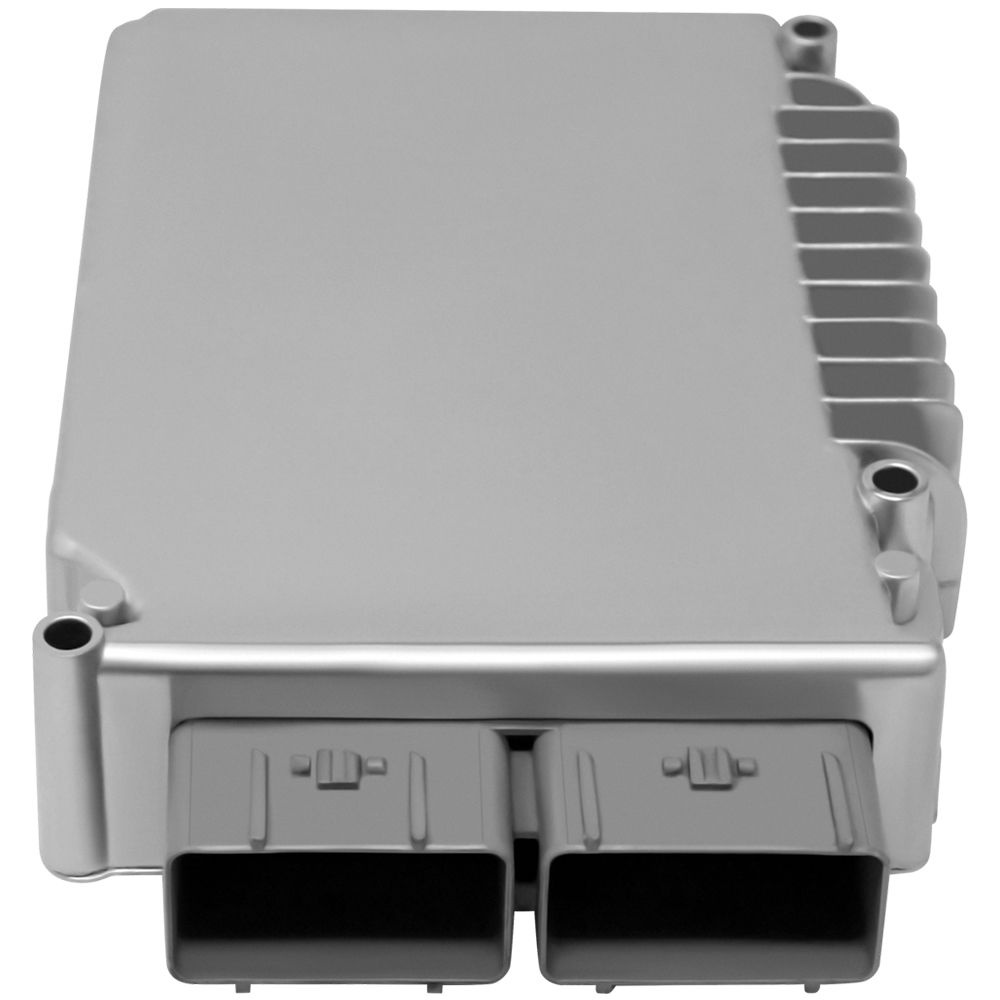
Flagship One stocks a refurbished, VIN-programmed PCM for the 1998 Plymouth Breeze with a lifetime warranty, free shipping and no core charge. The full Plymouth Breeze module lineup covers other engine configurations as well.
If your 1998 Plymouth Breeze is showing signs of ECM or PCM failure, evaluating both repair and replacement options can help you restore reliable operation. A VIN‑programmed unit may reduce downtime and ensure proper calibration, keeping your vehicle running as intended.