1990 Plymouth Horizon 2.2L ECM: What It Controls and When to Replace It
The engine control module (ECM) in your 1990 Plymouth Horizon manages fuel injection, ignition timing, and idle speed. When it fails, you may experience stalling, poor performance, or a complete no-start condition due to disrupted engine management signals.
Quick Summary
- The ECM regulates critical engine functions like fuel delivery and spark timing.
- Failure may cause stalling, rough idle, or a no-start situation.
- Replacement involves accessing the module behind the instrument panel.
- Factory programming requires a VIN-specific setup, but pre-programmed units skip this step.
- Symptoms often mimic sensor or fuel system issues, so diagnosis is key.
If your 1990 Plymouth Horizon has been acting up—stalling at stops, refusing to start, or running rough—you might be dealing with a failing engine control module (ECM). Unlike modern vehicles with self-diagnostic systems, this pre-OBD-II model relies on a simpler but still critical computer to manage engine performance. The ECM in your Horizon controls fuel injection, ignition timing, and idle speed, making it essential for smooth operation. When it malfunctions, symptoms can be frustratingly vague, often resembling fuel pump or sensor failures. Replacing the ECM isn’t overly complex, but it does require careful handling to avoid damaging connectors or misaligning the module. Since this vehicle lacks modern plug-and-play adaptability, a VIN-programmed replacement can save you time and hassle. Understanding how the ECM works, where it’s located, and what signs indicate failure will help you decide whether replacement is the right step for your Horizon’s reliability.
What the ECM Does in a 1990 Plymouth Horizon
The engine control module in your 1990 Plymouth Horizon is the brain behind the engine’s operation. It processes inputs from sensors—like the throttle position, coolant temperature, and oxygen sensors—to adjust fuel delivery and ignition timing in real time. Without this module, your engine wouldn’t know how much fuel to inject or when to spark the plugs, leading to poor performance or a complete shutdown. The ECM also manages idle speed, ensuring the engine runs smoothly when you’re stopped. Over time, heat, vibration, and electrical fluctuations may degrade its internal components, causing intermittent or permanent failures. If you’re experiencing unexplained stalling or rough running, the ECM is a likely culprit. When replacement becomes necessary, replacement engine computers for the Plymouth Horizon are available to restore proper function without the guesswork of used or unprogrammed units.
Programming Requirements After Replacement
After installing a new ECM in your 1990 Plymouth Horizon, the factory procedure requires programming the module to match your vehicle’s VIN. This step ensures the computer recognizes the engine’s specific calibration and fuel maps. The process typically involves using a scan tool or specialized equipment to input the VIN and confirm the module’s compatibility with your Horizon’s engine. However, if you opt for a VIN-programmed replacement unit, this step is already completed before the module arrives. That means you can skip the programming process entirely and simply install the unit, saving time and avoiding potential errors. Since this vehicle lacks the self-learning capabilities of modern systems, a pre-programmed ECM is the most straightforward solution to restore proper engine management without additional tools or dealership visits.
Symptoms of a Failing ECM
A failing ECM in your 1990 Plymouth Horizon can cause a range of symptoms that often mimic other issues, making diagnosis tricky. One of the most common signs is a no-start condition, where the engine cranks but refuses to fire due to incorrect fuel or spark signals. Stalling at idle or during deceleration is another frequent complaint, as the ECM struggles to maintain stable engine speeds. You might also notice rough running, misfires, or poor acceleration, as the module fails to adjust fuel delivery or ignition timing properly. In some cases, the engine may run excessively rich or lean, leading to fouled spark plugs or a strong gasoline smell from the exhaust. Electrical gremlins, like erratic gauge readings or intermittent power loss, can also point to ECM trouble. If the module’s internal memory is corrupted, you may encounter an internal control module memory check error, which indicates the ECM is no longer reliably processing sensor data. Since these symptoms overlap with fuel pump, ignition, or sensor failures, it’s important to rule out other causes before replacing the ECM.
Protecting the ECM in Your 1990 Plymouth Horizon
- Keep your Horizon’s battery and charging system in good condition to avoid voltage spikes that can damage the ECM.
- Inspect and clean the ECM connectors regularly to prevent corrosion or loose connections from disrupting signals.
- Avoid jump-starting the vehicle with improper voltage, as this can overload the module’s circuits.
- Address any engine performance issues promptly to prevent secondary damage to the ECM.
- Ensure the ECM’s mounting location remains dry and free of debris to avoid moisture-related failures.
- Use dielectric grease on connectors when reinstalling the ECM to protect against corrosion over time.
Frequently Asked Questions
Can a bad ECM cause my 1990 Plymouth Horizon to stall at stops?
Yes, a failing ECM may disrupt idle control, leading to stalling when the engine can’t maintain a stable speed. Since the module manages fuel and spark timing, any interruption in its signals can cause the engine to cut out unexpectedly. Other symptoms, like rough running or misfires, often accompany this issue.
How do I know if my Horizon’s ECM is bad or if it’s a sensor issue?
ECM failures often produce multiple symptoms at once, such as stalling, no-start conditions, and erratic engine behavior. Sensor issues, like a faulty coolant temperature sensor, typically cause specific problems, such as poor cold starts or overheating. If multiple sensors seem to fail simultaneously, the ECM itself may be the root cause.
Is it safe to drive my 1990 Plymouth Horizon with a bad ECM?
Driving with a failing ECM is risky, as it can lead to sudden stalling or a complete no-start situation. The module’s erratic behavior may also cause the engine to run too rich or lean, potentially damaging other components like the catalytic converter or oxygen sensors over time.
Can I replace the ECM in my Horizon myself, or do I need a professional?
Replacing the ECM is a straightforward job if you’re comfortable removing dashboard trim and handling electrical connectors. The module is located behind the instrument panel, and the process typically takes less than an hour. However, if you’re unsure about working with vehicle electronics, a professional mechanic can complete the job efficiently.
Will a used ECM from another 1990 Plymouth Horizon work in my vehicle?
A used ECM may work, but it’s not guaranteed. Since the module is calibrated to a specific VIN, it may not function properly in your Horizon without reprogramming. Additionally, used units carry the risk of hidden damage or wear, which could lead to the same issues you’re trying to fix.
If your 1990 Plymouth Horizon is showing signs of ECM failure, you have a few options for replacement. A new or remanufactured unit ensures reliability and comes with the latest updates, while a used ECM might save money but carries risks of incompatibility or hidden defects. For the simplest solution, a VIN-programmed replacement eliminates the need for post-installation programming, allowing you to get your Horizon back on the road with minimal downtime. Weighing the cost of a new module against the potential headaches of a used one can help you decide the best path forward.
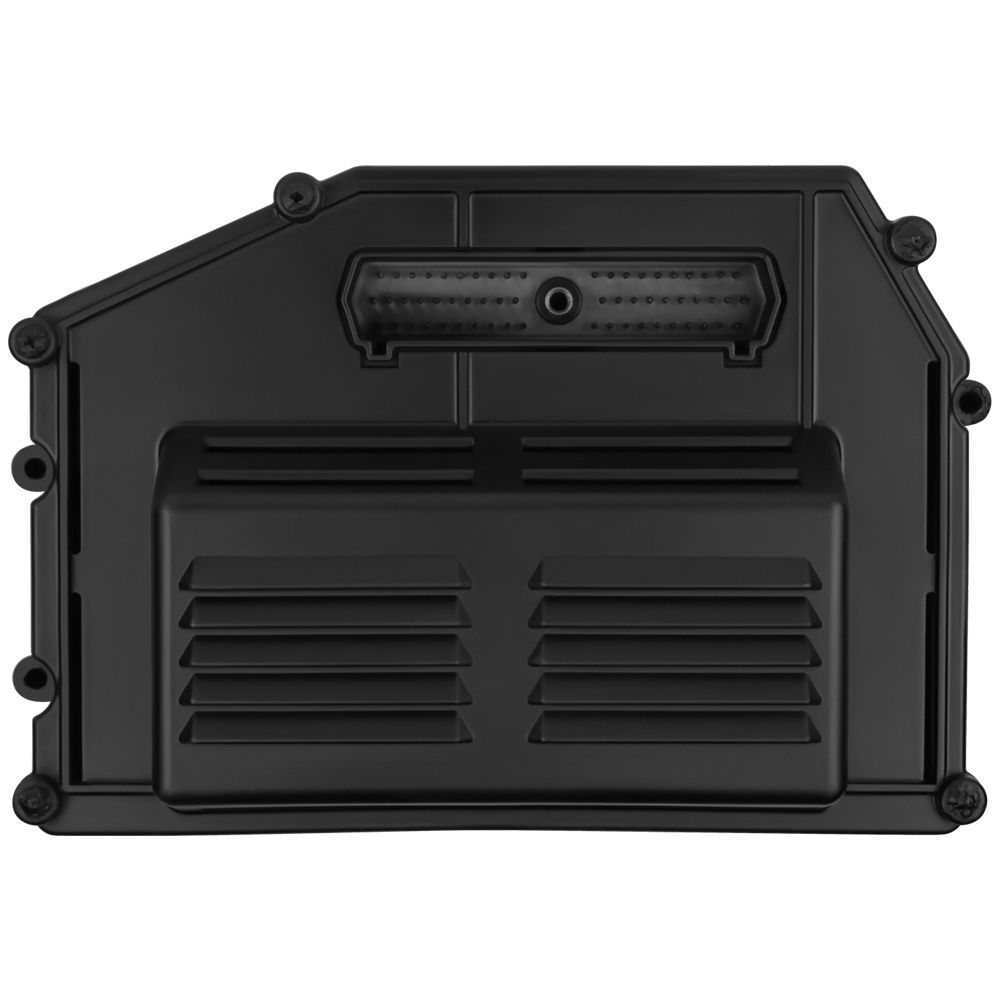
Flagship One stocks a refurbished, VIN-programmed ECM for the 1990 Plymouth Horizon with a lifetime warranty, free shipping and no core charge. The full Plymouth Horizon module lineup covers other engine configurations as well.
Final Thoughts
The ECM in your 1990 Plymouth Horizon plays a critical role in keeping your engine running smoothly. When it fails, symptoms like stalling, rough idle, or a no-start condition can leave you stranded. Replacing the module is a manageable task, especially with a VIN-programmed unit that skips the factory programming steps. By understanding the ECM’s function, location, and common failure signs, you can make an informed decision about whether replacement is the right solution for your vehicle’s reliability.