
Last updated on August 25th, 2026 at 12:24 pm
The Powertrain Control Module and Engine Control Module in your 1996 Plymouth Breeze with the 2.0L engine is the primary electronic brain that manages fuel delivery, ignition timing, emissions controls, and transmission shifting. Internal electronic failure within this unit typically stems from thermal cycling stress, voltage spikes from charging system irregularities, or gradual degradation of onboard memory circuits.
If your 1996 Plymouth Breeze has developed starting problems, runs poorly, or illumination of the check engine light has become a regular occurrence, the Powertrain Control Module or Engine Control Module may be the root cause. These electronic control units serve as the central nervous system for your vehicle’s engine management, and when internal circuits degrade or memory corruption occurs, the resulting drivability symptoms can range from inconvenient to strand-you-where-you-are serious. This guide explains what these modules do, where they are located, what the replacement process involves, and what you need to know about programming requirements after installation. Whether you are diagnosing a persistent no-start condition or planning ahead for a known-failed unit, the information here helps you understand the repair scope and make informed decisions about your 1996 Plymouth Breeze. The factory service information and labor time estimates provided come from standard automotive repair data, though your actual experience may vary based on specific circumstances.
The Powertrain Control Module in your 1996 Plymouth Breeze with the 2.0L engine is an electronic control unit that integrates the functions previously handled by separate engine and transmission control computers. This module receives input from numerous sensors throughout the engine compartment and uses that information to calculate optimal fuel delivery quantities, ignition timing angles, idle air control positions, and emissions control device activation. The Engine Control Module portion handles the core engine management functions while the transmission control logic manages gear shifting for the automatic transaxle. replacement engine computers for the Breeze are available as new manufactured units or remanufactured assemblies that have been inspected and repaired to meet original specifications. What makes this module particularly critical is its role in emissions compliance. The control unit monitors the functioning of catalytic converters, oxygen sensors, and evaporative emission controls, adjusting their operation to maintain proper exhaust composition. If the internal processor detects a fault in its own memory circuits or communication pathways, it stores a diagnostic trouble code and may default to limp-home operation or prevent engine starting entirely. The module communicates with the vehicle’s instrument cluster and can disable certain features if it determines that safe operation is not possible. Because this unit learns adaptive values specific to your engine’s unique characteristics over thousands of miles of operation, simply swapping in a different unit without proper programming often results in drivability problems until the new module completes its relearn cycle.
1996 Plymouth Breeze
OEM programmed ECM for your 1996 Plymouth Breeze — plug & play, no dealer visit.
Free shipping · Lifetime warranty
The Powertrain Control Module on the 1996 Plymouth Breeze is located in the passenger compartment, typically mounted in the footwell area on the right side of the vehicle behind the kick panel. Access requires removal of the kick panel and possibly the passenger seat to gain sufficient working room for connector disconnection. The module itself is housed in a rectangular enclosure with a multi-pin electrical connector that plugs into the vehicle wiring harness. Replacement involves carefully unplugging the harness connector, removing the mounting hardware, extracting the old unit, and reversing the procedure with the new or remanufactured module. According to standard labor time estimates, the actual remove-and-replace operation requires approximately 0.4 hours of booked time for the Powertrain Control Module R&R, though this does not account for any diagnostics or programming steps. You should expect additional time for connector inspection and cleaning, verification of mounting hardware torque, and testing of the installation before buttoning up the interior panels. The location inside the passenger compartment offers some protection from under-hood heat and moisture, but the module remains vulnerable to issues from electrolyte leakage from batteries stored in the footwell area on some trim levels, as well as general thermal cycling from heating and cooling cycles inside the vehicle.
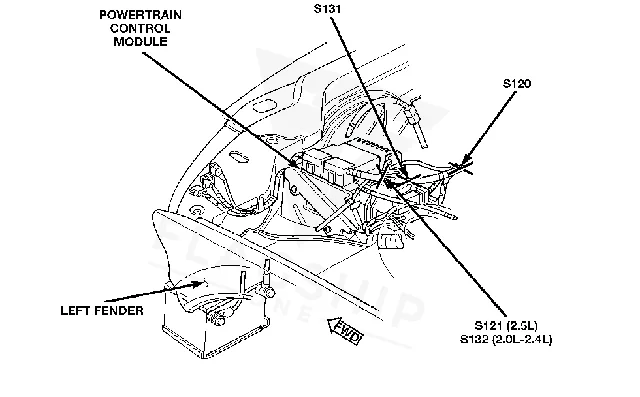
Work with the ignition off, and treat the module as static-sensitive: avoid touching the connector pins at any point.
| Operation | Configuration | Book Time |
|---|---|---|
| Powertrain Control Module R&R | All configurations | 0.4 hr |
| Powertrain Control Module Relearn | All configurations | 0.5 hr |
| Engine Control Module Relearn | All configurations | 0.5 hr |
| Engine Control Module R&R | All configurations | 0.4 hr |
After installing a replacement Powertrain Control Module in your 1996 Plymouth Breeze, the factory procedure requires performing a relearn procedure to calibrate the new control unit to your specific vehicle. This relearn process allows the module to learn the adaptive fuel trims and other compensation values specific to your engine’s unique characteristics, transmission behavior, and sensor outputs. Standard labor estimates allocate 0.5 hours for the Powertrain Control Module Relearn procedure, and an additional 0.5 hours for the Engine Control Module Relearn if that separate procedure is required by your specific repair procedure. During this relearn process, the module monitors sensor inputs and adjusts its internal tables to achieve optimal drivability and emissions performance. a VIN-programmed replacement unit from Flagship One arrives pre-programmed with your specific vehicle identification number, meaning the essential calibration data is already loaded before the module is installed. This eliminates the need for separate programming equipment or dealer visits in most cases, though you will still need to complete the post-installation relearn procedure by driving the vehicle under various operating conditions to allow the module to fully adapt.
When the Powertrain Control Module or Engine Control Module in a 1996 Plymouth Breeze begins to fail, the symptoms often develop gradually and may initially seem intermittent before becoming constant. A common presentation is the no-start condition where the engine cranks normally but receives no fuel delivery or spark, often accompanied by a check engine light that may illuminate briefly during cranking attempts. The vehicle may start and run normally for some days or weeks, then develop a stalling problem that resolves itself only to return later. Misfire codes such as P0300 (random/multiple cylinder misfire) or specific cylinder misfire codes frequently appear when the module’s fuel delivery calculations become inaccurate due to internal processing errors. Some owners report that scan tools fail to communicate with the module at all, which points toward an internal fault in the module’s communication circuitry. Transmission shifting may become harsh, erratic, or the vehicle may refuse to shift out of a single gear when the transmission control portion of the module loses proper function. internal memory check sum error indicates that the module has detected an invalid checksum in its internal memory, which often correlates with drivability symptoms and may signal an impending complete failure. Other related codes like P0600 (serial communication link malfunction) or P0602 (module programming error) can also appear when the control unit’s internal systems are compromised.
Factory service bulletins addressing the Powertrain Control Module for the 1996 Plymouth Breeze include three emissions-related recalls that required reprogramming the module. California Emissions Recall number 678, issued in 1996, addressed programming updates for vehicles originally sold in California to ensure compliance with that state’s more stringent emissions requirements. A subsequent California Emissions Recall, number 7922 from 1999, again required reprogramming the Powertrain Control Module, likely to address emission performance issues that emerged over time or to update the calibration for new regulatory requirements. Federal Emissions Recall number 7921 from 1999 covered vehicles sold outside California and required similar reprogramming to ensure federal emissions compliance. All three recalls centered on reprogramming rather than hardware replacement, indicating that the module’s basic electronic hardware was functioning but the calibration programming needed updating to meet emissions standards. If your vehicle has not had these recalls performed, the replacement module programming should address current emissions requirements, though verification with a emissions-aware repair facility is recommended.
| Bulletin | Subject | What It Addresses |
|---|---|---|
| — | Rc-678-96 California Emissions Recall #678 — Reprogram Powertrain Control Module | — |
| — | Rc-7922-99 California Emissions Recall #7922 — Reprogram Powertrain Control Module | — |
| — | Rc-7921-99 Federal Emissions Recall #7921 — Reprogram Powertrain Control Module | — |
A replacement PCM must be programmed with your vehicle’s specific VIN and calibration data to function properly. An unprogrammed unit will likely cause starting problems or drivability issues. Units from Flagship One arrive VIN-programmed for your vehicle, eliminating this concern.
A failing PCM may allow driving for some time with intermittent symptoms, but complete failure will result in a no-start condition. If you experience recurring starting problems, stalling, or multiple check engine light occurrences, having the module tested before complete failure is strongly recommended.
Not necessarily. While dealers can perform programming, many independent shops have the necessary scan tools to complete the relearn procedure. Units from Flagship One arrive pre-programmed with your VIN, so only the relearn procedure is typically required rather than full dealer programming.
In this vehicle, the Powertrain Control Module integrates functions that some manufacturers separate into distinct Engine Control Module and Transmission Control Module units. The PCM handles engine management and transmission shifting logic in a single unit, while the ECM designation may refer to the same physical module or a related sub-system.
Diagnosis typically involves verifying that all power and ground connections to the module are sound, that sensor inputs are within range, and that no external faults can explain the symptoms. If the module fails internal self-tests or cannot maintain proper communication, replacement is usually the most cost-effective solution compared to repair attempts.
When your 1996 Plymouth Breeze requires a new control module, you have two primary paths: purchasing a new manufactured unit or selecting a remanufactured assembly. New units offer the security of never-before-used components but come at higher cost, while remanufactured units provide a more budget-friendly alternative with the assurance of professional inspection and repair to original specifications. Flagship One specializes in providing module replacements specific to the 1996 Plymouth Breeze, with units pre-programmed to your vehicle identification number so installation proceeds smoothly without requiring separate programming equipment or dealer visits. The key consideration is ensuring that whatever unit you choose is matched to the 2.0L engine and appropriate for your specific model year.
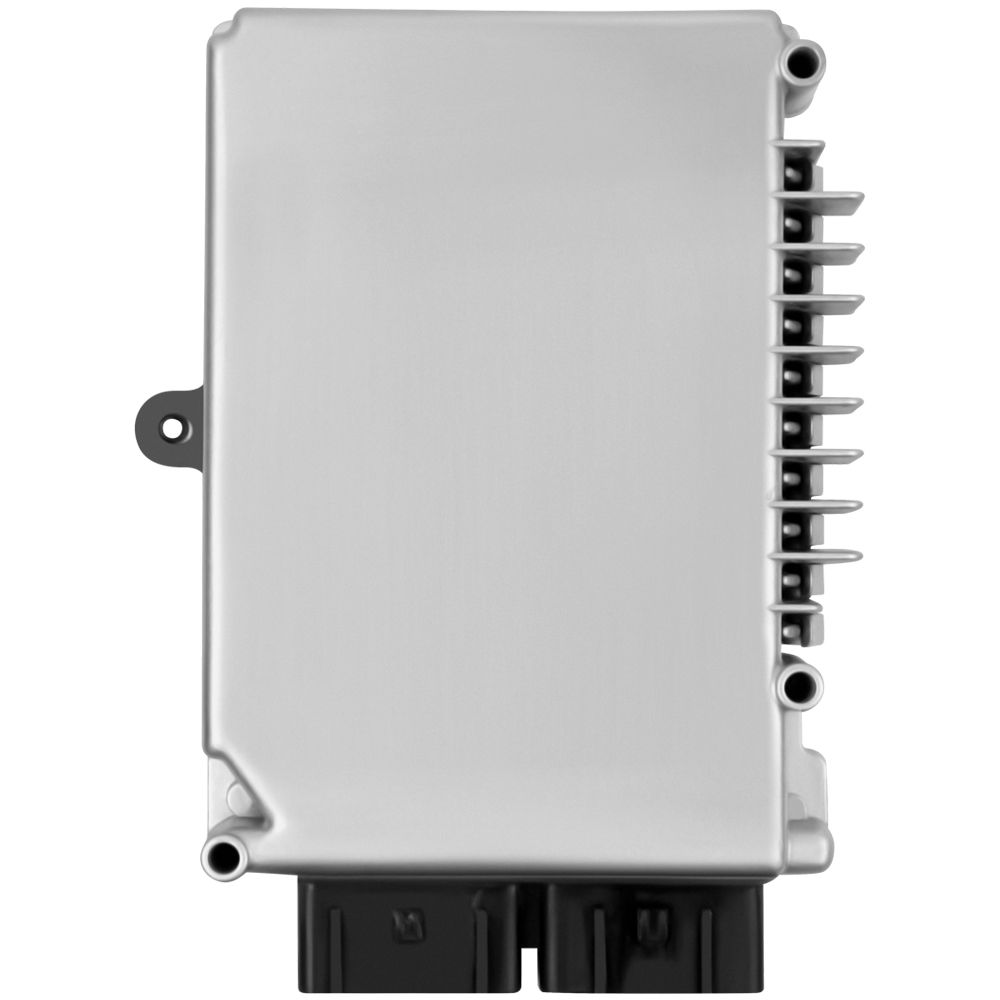
Flagship One stocks a refurbished, VIN-programmed PCM for the 1996 Plymouth Breeze with a lifetime warranty, free shipping and no core charge. The full Plymouth Breeze module lineup covers other engine configurations as well.
The Powertrain Control Module in your 1996 Plymouth Breeze is a critical component that manages engine operation, emissions compliance, and transmission shifting. When symptoms of module failure appear, understanding the replacement process and programming requirements helps you make informed repair decisions. Whether you choose new or remanufactured replacement, ensuring the unit arrives properly VIN-programmed for your specific vehicle streamlines the repair. With three emissions recalls having addressed programming updates over this vehicle’s production life, a properly programmed replacement module will restore reliable operation to your 1996 Plymouth Breeze.