The 2004 Toyota Camry ECM failure may cause emissions issues. Ensure VIN programming to avoid inspection failure and restore engine performance now.
Post
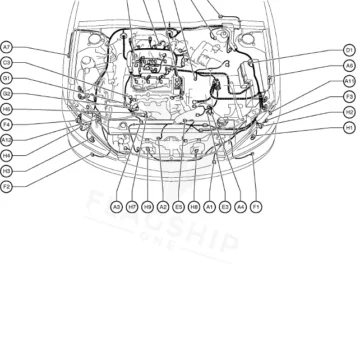

The 2004 Toyota Camry ECM failure may cause emissions issues. Ensure VIN programming to avoid inspection failure and restore engine performance now.
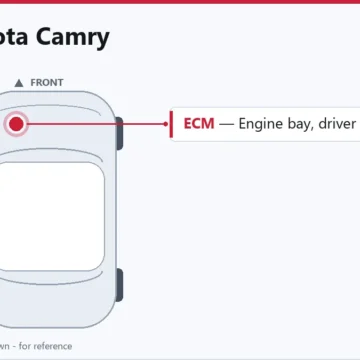
If your 2020 Toyota Camry shows P0606, you may need ECM work; follow caution steps, disconnect battery, and expect proper re‑learn to restore performance.
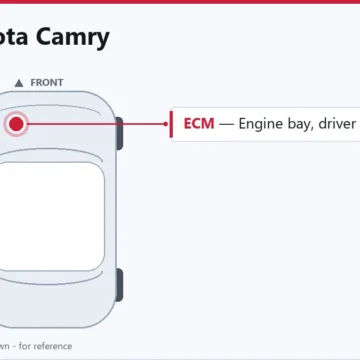
2019 Toyota Camry 2.5L PCM or ECM failure may cause no-start, stalling, or check engine light with codes like P0606. This guide covers replacement steps, programming, and relearn procedures.
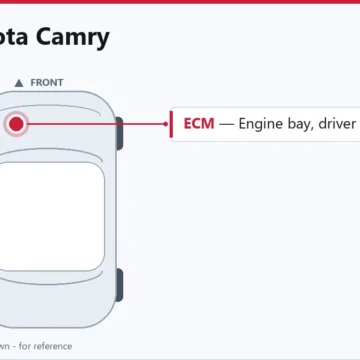
Symptoms, replacement steps, and programming guide for the powertrain control module in your 2018 Toyota Camry. What to expect when the PCM fails.
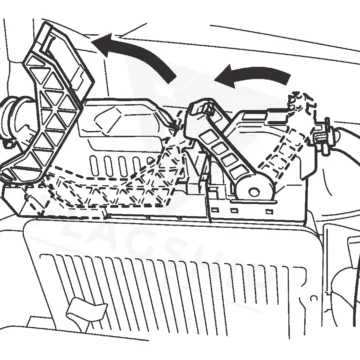
Experiencing no-start conditions or fault codes in your 2017 Toyota Camry? Learn about ECM replacement, VIN registration, and how to restore engine control.
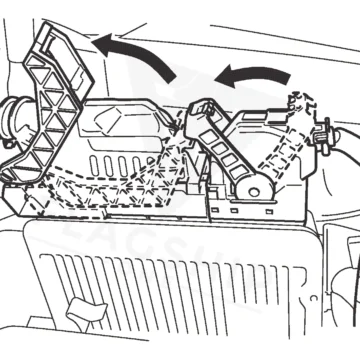
2016 Toyota Camry 2.5L may stall or show a check‑engine light; VIN registration is required after ECM swap, and a VIN‑programmed unit restores operation.
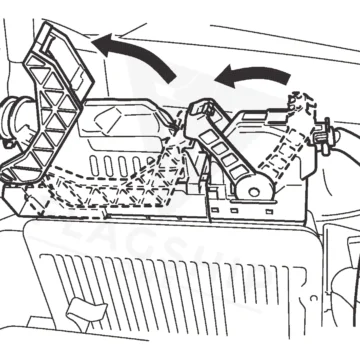
Stalling or no‑start on a 2015 Toyota Camry often signals ECM trouble; VIN registration required after swap, Flagship One units ship pre‑programmed.
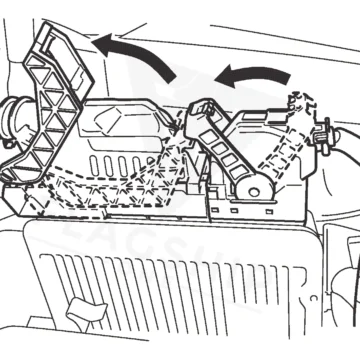
A failed engine computer in your 2014 Toyota Camry may cause no-start conditions or internal fault codes. Replacement requires VIN registration and careful system initialization.
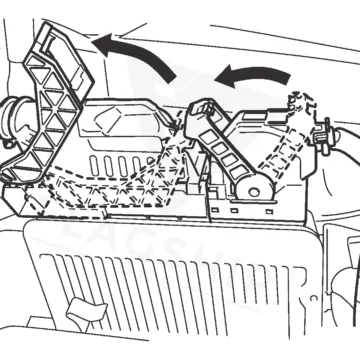
2013 Toyota Camry 3.5L PCM/ECM symptoms: no-start, stalling. Caution: VIN registration required after replacement. A pre-programmed unit avoids that step.
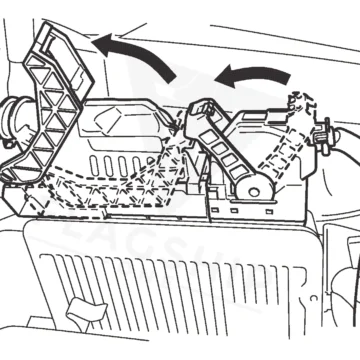
If your 2012 Toyota Camry 3.5L shows a P0606 code or no-start, ECM replacement may be needed. Caution: VIN registration is required after installation. A pre-programmed unit avoids that step.