
Last updated on August 25th, 2026 at 11:57 am
Owners of a 2015 Toyota Camry may notice a sudden loss of power, an illuminated check‑engine light, or a no‑start condition that points to the engine control module. This computer governs fuel injection, spark timing, and emissions functions for the 2.5‑liter four‑cylinder, so a fault can affect drivability across the board. The following guide explains where the module sits, how much shop time the factory allocates for removal, reinstallation, and relearn steps, and what the service manual requires after a swap. It also covers the common internal fault code that appears when the processor degrades and outlines the programming advantage that a pre‑configured replacement provides. By the end you will understand the typical symptoms, the labor expectations, and why a VIN‑matched unit can simplify the repair.
The engine control module in the 2015 Toyota Camry acts as the central processor for the powertrain, continuously adjusting fuel metering, ignition advance, and variable‑valve timing based on sensor inputs. It also monitors the evaporative system and communicates with the transmission controller to ensure smooth shifts. When the internal microprocessor or its flash memory develops a fault, the unit can no longer execute its calibration tables, leading to erratic idle, hesitation, or a complete loss of engine operation. The service manual specifies that any replacement must be followed by a VIN registration so the vehicle’s immobilizer and emission monitors recognize the new hardware. Because the module is mounted behind the dashboard on the passenger side, technicians first disconnect the negative battery cable, then remove the cool‑air intake duct seal and the battery to gain clearance before unplugging the two ECM connectors. Shops typically allocate about 0.7 hours for the physical swap and an additional 0.5 hours for the relearn routine, which restores adaptive values; replacement engine computers for the Camry are available pre‑programmed, eliminating the need for a separate VIN write‑in at the dealership.
2015 Toyota Camry
OEM programmed ECM for your 2015 Toyota Camry — plug & play, no dealer visit.
Free shipping · Lifetime warranty
The ECM on the 2015 Toyota Camry sits behind the passenger‑side dashboard, accessible after the negative battery cable is detached. The service manual notes that if only the ECM is being swapped, the cool‑air intake duct seal and the battery can remain in place, reducing disassembly. When full access is required, the technician removes the duct seal, then the battery, and finally unplugs the two ECM connectors before extracting the module. Factory labor allowances list 0.7 hours for the remove‑and‑replace operation, 0.5 hours for the subsequent relearn, and 0.3 hours for a simple reset if only calibration data needs clearing. For the powertrain control module the same 0.7‑hour R&R and 0.5‑hour relearn times apply. After the new unit is seated, the negative cable is reconnected and any systems that lost power during the disconnect are re‑initialized automatically.
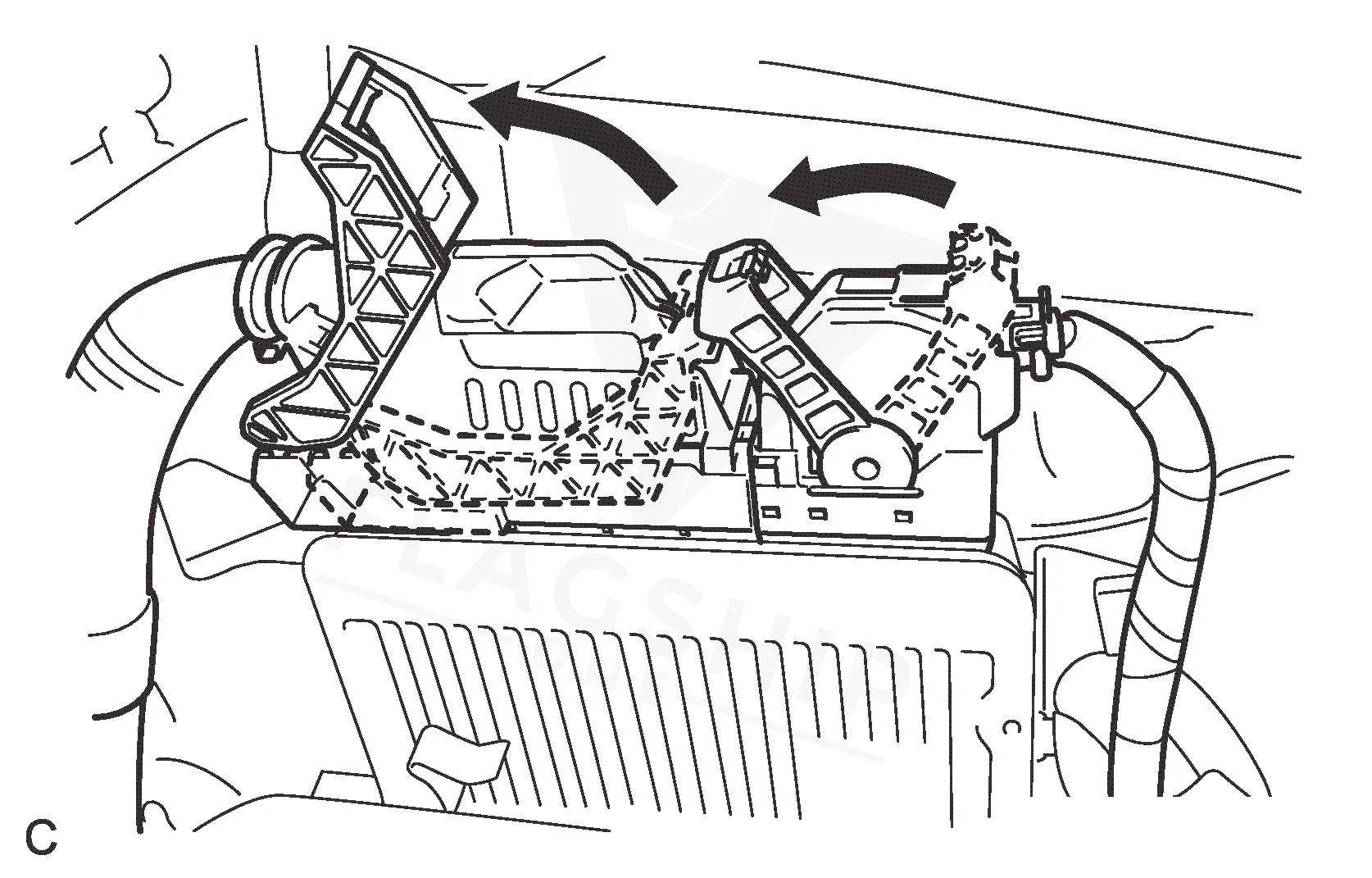
Work with the ignition off, and treat the module as static-sensitive: avoid touching the connector pins at any point.
| Operation | Configuration | Book Time |
|---|---|---|
| Engine Control Module Relearn | All configurations | 0.5 hr |
| Engine Control Module R&R | All configurations | 0.7 hr |
| Engine Control Module Reset | All configurations | 0.3 hr |
| Powertrain Control Module R&R | All configurations | 0.7 hr |
| Powertrain Control Module Relearn | All configurations | 0.5 hr |
After the ECM is installed, the factory workflow calls for a VIN registration so the immobilizer and emission monitors recognize the new hardware, followed by a brief initialization of any subsystems that lost power while the negative cable was off. The service manual also recommends a relearn cycle to restore adaptive fuel and timing tables. Flagship One supplies a VIN‑programmed replacement unit that already carries the correct vehicle identification, so the registration and relearn steps are completed before the part reaches the shop. Technicians can therefore reconnect the battery, start the engine, and verify operation without additional dealer‑level programming.
Drivers of the 2015 Toyota Camry may experience a sudden crank‑no‑start, intermittent stalling at idle, or a persistent check‑engine light that returns after clearing. Rough acceleration, hesitation during throttle tip‑in, and unexpected shifts can also appear when the engine computer loses its calibration. In many cases the scan tool reports a loss of communication with the ECM, and the data stream shows frozen sensor values. A frequent internal fault logged by the module is processor failure code P0606, which indicates that the internal microprocessor has detected an error in its own logic. When this code is present, the vehicle often refuses to enter closed‑loop fuel control, leading to elevated emissions and reduced fuel economy. Because the ECM also governs the transmission shift strategy, erratic gear changes may accompany the engine symptoms.
The following table lists the internal diagnostic codes that the Camry’s engine computer can set when its own circuitry fails. Each entry includes the code identifier, a brief description of the fault condition, and the typical impact on drivability. Technicians can use this reference to confirm whether a stored code points to an ECM hardware issue rather than a sensor or wiring problem.
| Code | Meaning | Full Guide |
|---|---|---|
| P0606 | Module processor failure | Full P0606 guide → |
The factory book time for the remove‑and‑replace operation is 0.7 hours, with an additional 0.5 hours for the relearn routine and 0.3 hours if only a reset is needed. These times are guidelines and actual shop time may vary.
Yes, the service manual requires a VIN registration whenever the ECM is swapped so the immobilizer and emission monitors recognize the new module. Skipping this step can leave the vehicle in a lockdown mode.
A VIN‑matched unit that arrives already programmed will satisfy the registration and relearn requirements, allowing the technician to finish the job without a separate dealer visit. The module will still perform its adaptive relearn automatically after the first start.
When the ECM on a 2015 Toyota Camry fails, owners can choose between repairing the original board, sourcing a refurbished unit, or installing a new VIN‑matched computer. Repair may be cost‑effective if the fault is limited to a single component, but hidden damage can reappear. A refurbished module typically carries a limited warranty and still requires the factory registration step. A new pre‑programmed replacement arrives ready to operate, reducing shop time and eliminating the separate programming appointment.
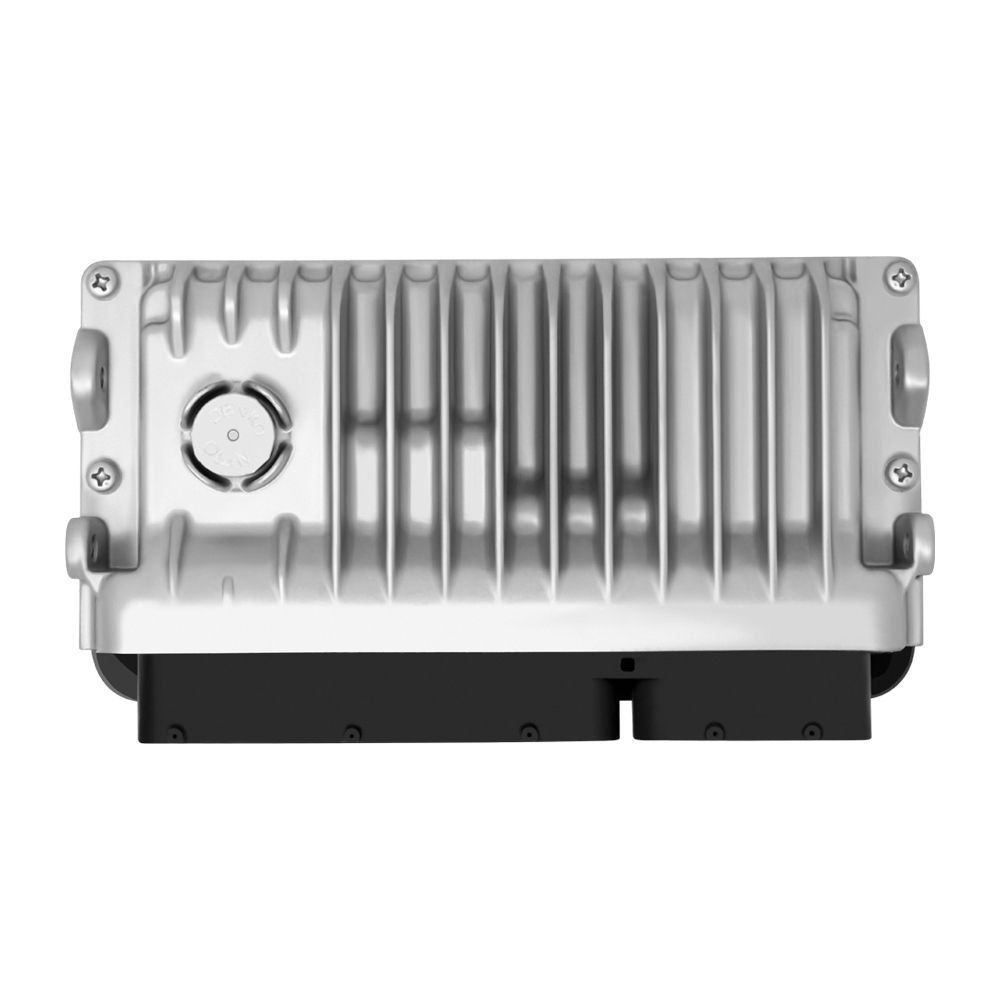
Flagship One stocks a refurbished, VIN-programmed PCM for the 2015 Toyota Camry with a lifetime warranty, free shipping and no core charge. The full Toyota Camry module lineup covers other engine configurations as well.