If your 2004 BMW X5 shows no‑start or erratic engine behavior, a PCM/ECM relearn may be needed. Follow cautionary steps to avoid further issues and restore performance.

If your 2004 BMW X5 shows no‑start or erratic engine behavior, a PCM/ECM relearn may be needed. Follow cautionary steps to avoid further issues and restore performance.

Your 2004 BMW X3 may display a Check Engine Light with DME/ECM faults. Learn about module replacement, programming requirements, and repair options before you begin.
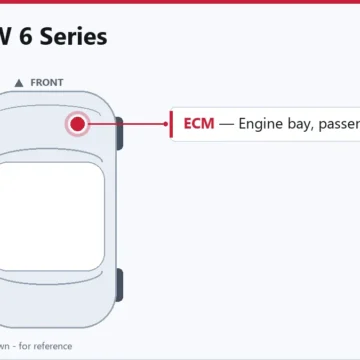
ECM failure symptoms, replacement procedures, and programming for your 2004 BMW 6 Series. Includes factory labor times, DME fault codes, and repair options.
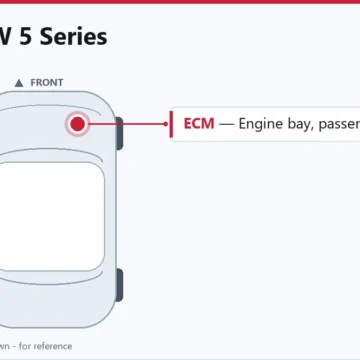
For a 2004 BMW 5 Series (2.5L) with Check Engine Light and DME/ECM faults, replacement requires ESD precautions and a 0.5-hour relearn. A pre-programmed unit simplifies the process.
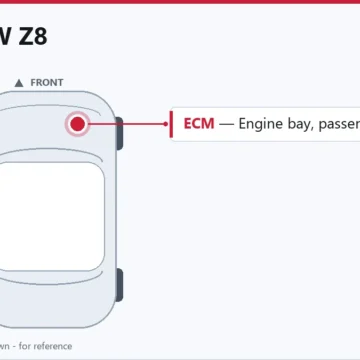
If your 2003 BMW Z8 shows a Check Engine Light with stored faults, you may face ECM communication issues. Learn the risks and how proper replacement restores performance.
If your 2003 BMW Z4 2.5L shows low oil warnings or tank venting issues, a PCM reprogram may be needed. Learn how to replace and program the control module safely.
2003 BMW X5 stalling, no-start, or misfire issues may signal a failing engine control module. Learn symptoms, replacement steps, and why reprogramming matters for this SUV.

A failing DME in your 2003 BMW 5 Series 2.5L can cause no-start, stalling, and check engine lights. Reprogramming may not be possible. Learn how a VIN-programmed replacement restores reliable operation.

2003 BMW 3 Series showing a check engine light or drivability issues may need a powertrain control module replacement. Learn symptoms, labor times, and why a pre-programmed unit saves hours of dealer setup.
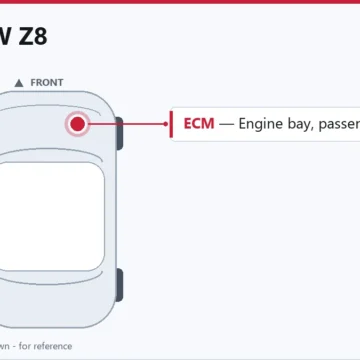
2002 BMW Z8 may show a check engine light after PCM replacement. Proper reprogramming is essential to keep OBD communication and engine performance.