If your 1999 Dodge Dakota shows no‑start or shifting issues, beware of PCM failure. Learn diagnosis, relearn steps, and outcomes for reliable performance.
Post
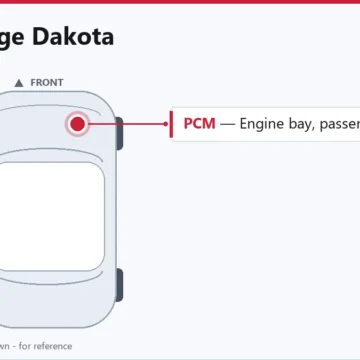

If your 1999 Dodge Dakota shows no‑start or shifting issues, beware of PCM failure. Learn diagnosis, relearn steps, and outcomes for reliable performance.
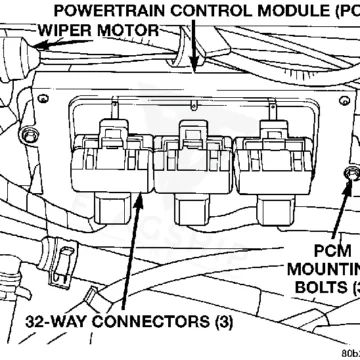
1998 Dodge Ram Van with stalling, no-start, or PCM trouble codes? Learn symptoms, labor times, factory relearn steps, and why a VIN-programmed replacement unit saves time and hassle for your 3.9L van.
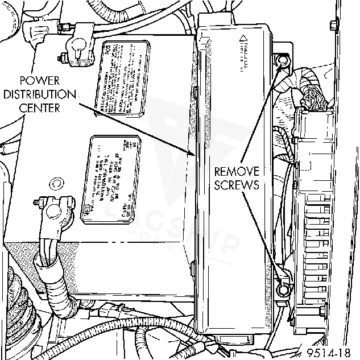
Learn how the PCM fails on your 1998 Dodge Grand Caravan, common symptoms like no-start and stalling, and why a VIN-programmed replacement is essential for proper operation.
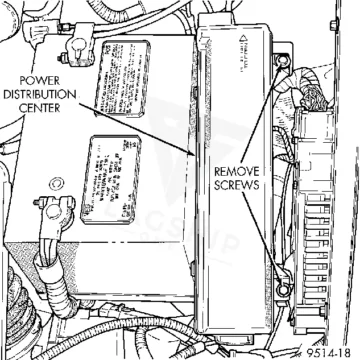
Learn about PCM/ECM failure symptoms for your 1996 Dodge Grand Caravan 2.4L, including trouble codes P0600, P0601, P1698, and how replacement with a pre-programmed unit avoids dealer relearn.
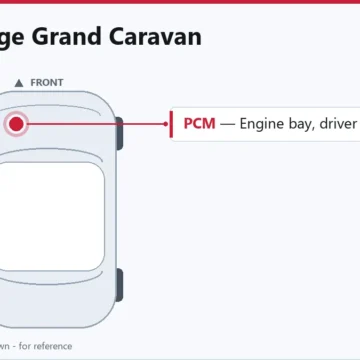
Learn why a failing PCM or ECM in a 1995 Dodge Grand Caravan can cause stalling, no‑start or shifting issues, and how proper relearn steps keep your van running smoothly.
1994 Dodge Viper stalling or failing to start? Learn how the Powertrain Control Module (PCM) affects performance, replacement steps, and why a VIN-programmed unit simplifies the process for this classic sports car.
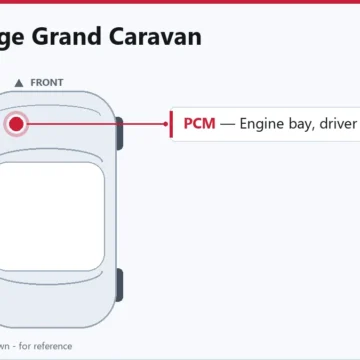
If your 1993 Dodge Grand Caravan shows erratic power or warning lights, beware a failing PCM/ECM. Proper diagnosis and replacement can restore reliable operation.
If your 1993 Dodge Daytona 2.2L won't start after a flash attempt, learn about PCM failure recovery and replacement options to get back on the road safely.
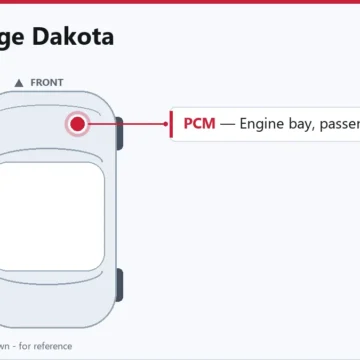
If your 1993 Dodge Dakota shows no‑start or erratic performance, beware of PCM issues. Learn relearn steps, location, and how a VIN‑programmed unit can restore proper operation.
If your 1992 Dodge Ram Van shows no‑start or erratic performance, a failing ECM may be the cause. Learn the symptoms, required relearn steps and how proper replacement avoids further issues.