
Last updated on August 25th, 2026 at 12:17 pm
The Powertrain Control Module (PCM) in the 1993 Dodge Daytona 2.2L manages fuel injection, ignition timing, and emissions. Failure during flash programming can leave the vehicle inoperative, requiring a recovery procedure using a DRBIII scan tool.
If you own a 1993 Dodge Daytona with the 2.2L engine, you may have attempted to update the PCM software only to find the car will not start afterward. This is a known scenario where a flash programming failure leaves the module in a non-functional state. The PCM, or Powertrain Control Module, is the brain of your engine management system. When it fails during a reflash, the vehicle loses all control over fuel delivery, ignition, and transmission operation. This article explains what causes such failures, how the factory recovery procedure works using a DRBIII scan tool, and what your options are for getting the car running again. You will learn about the PCM’s role in your Daytona, common symptoms of failure, and how a pre-programmed replacement can bypass the need for complex recovery steps.
1993 Dodge Daytona 2.2L
OEM programmed ECM for your 1993 Dodge Daytona 2.2L — plug & play, no dealer visit.
Free shipping · Lifetime warranty
The PCM in your 1993 Dodge Daytona 2.2L is a sealed electronic module that interprets sensor inputs and controls actuators to keep the engine running efficiently. It manages fuel injector pulse width, ignition coil dwell and timing, idle speed, and transmission shift points. Because the Daytona uses a pre-OBDII system, the PCM stores its own set of manufacturer-specific diagnostic trouble codes that can only be read with a DRBIII scan tool. The module is also responsible for adaptive learning, adjusting fuel trim and shift patterns over time. When a flash programming attempt is interrupted or fails, the PCM’s internal memory becomes corrupted, and the module will not communicate or run the engine. The factory service bulletin #18-037-05 outlines a recovery procedure using the DRBIII to reload the software. However, this process requires a specialized tool and technical knowledge. For many owners, replacing the PCM with a replacement PCM for the 1993 Dodge Daytona is a more straightforward solution. The replacement module must be programmed with the correct calibration for your specific vehicle configuration, including engine size, transmission type, and emissions equipment.
The PCM in the 1993 Dodge Daytona is typically located in the engine bay, mounted on the driver’s side inner fender or near the firewall. It is a rectangular metal box with two large electrical connectors. To replace it, you will need to disconnect the negative battery cable first to avoid any electrical shorts. Then, unbolt the PCM from its bracket, unplug the connectors, and remove the old unit. Installation is the reverse: position the new PCM, reconnect the connectors, and secure it with the original bolts. No specific labor time is provided in the service bulletin, but the job is straightforward and can be done with basic hand tools. Ensure the connectors are clean and fully seated to prevent future communication issues. After installation, the vehicle should start and run immediately if the replacement PCM is pre-programmed.
The factory service bulletin #18-037-05 describes a recovery procedure for a PCM that has failed during a flash update. This involves using a DRBIII scan tool to re-establish communication and reload the correct software. The process can be time-consuming and may require multiple attempts. If the PCM is beyond recovery, a new or remanufactured unit must be programmed with the vehicle’s VIN and calibration data. Flagship One eliminates this step by providing a VIN-programmed replacement PCM that arrives ready to install. The module is pre-loaded with the correct software for your 1993 Dodge Daytona 2.2L, so no DRBIII recovery or dealer visit is needed. Simply install the unit, reconnect the battery, and start the engine. This saves you the cost and complexity of the factory recovery procedure.
When the PCM in your 1993 Dodge Daytona 2.2L fails, you may experience a no-start condition where the engine cranks but does not fire. The check engine light may remain on constantly or not illuminate at all during key-on. Stalling, rough idle, or hesitation during acceleration are also common. The transmission may shift erratically or fail to shift altogether. Because the PCM controls the fuel pump relay, a failed module can also result in no fuel pressure. Scan tool communication may be lost, meaning a DRBIII cannot connect to the PCM. In the case of a flash programming failure, the vehicle will typically become inoperative immediately after the update attempt. These symptoms indicate that the PCM is not functioning and requires either a successful recovery flash or replacement.
Factory service bulletin #18-037-05, titled ‘Flash Programming Failure Recovery Using DRBIII®’, addresses a scenario where the PCM becomes inoperative after a failed flash update. The bulletin provides a step-by-step procedure for using the DRBIII scan tool to re-establish communication with the module and reload the software. This recovery method is intended for technicians with access to the proper equipment. The bulletin does not cover replacement procedures, only recovery of the existing PCM. If recovery is unsuccessful, a new or remanufactured PCM must be installed and programmed.
| Bulletin | Subject | What It Addresses |
|---|---|---|
| 18-037-05 | 18-037-05 Flash Programming Failure Recovery Using DRBIII® | — |
A flash failure typically occurs when the battery voltage drops during the update, the ignition is turned off, or the communication link is interrupted. The PCM’s memory becomes corrupted, leaving the module unable to operate.
The factory recovery procedure requires a DRBIII scan tool. Without it, you cannot re-establish communication or reload the software. A pre-programmed replacement PCM is the most practical alternative.
If the engine cranks but does not start, the check engine light is off or stuck on, and a scan tool cannot communicate, the PCM is likely faulty. A failed flash update that leaves the car inoperative also indicates replacement is needed.
A used PCM must be programmed with your vehicle’s VIN and calibration data. Without proper programming, it may not run the engine correctly or may cause transmission issues. A pre-programmed unit is a more reliable choice.
Replacement involves disconnecting the battery, unbolting the PCM from its location on the driver’s side inner fender, unplugging the connectors, and installing the new unit. No special tools are required, and the job can be completed in under an hour.
When your 1993 Dodge Daytona 2.2L PCM fails after a flash attempt, you have two paths: attempt the factory recovery with a DRBIII, or replace the module with a pre-programmed unit. The recovery procedure is complex and not always successful. A replacement PCM from Flagship One arrives ready to install, with the correct software already loaded for your specific vehicle. This eliminates the need for dealer visits or specialized scan tools.
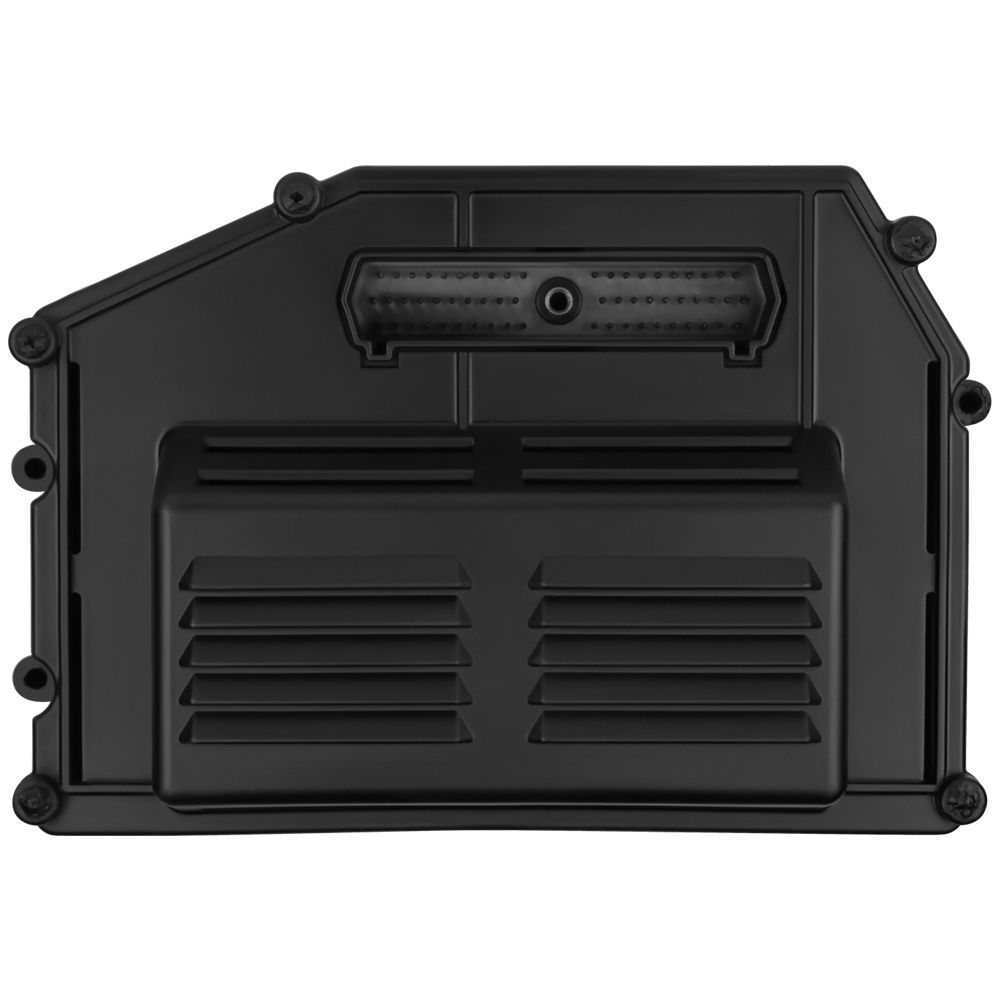
Flagship One stocks a refurbished, VIN-programmed ECM for the 1993 Dodge Daytona with a lifetime warranty, free shipping and no core charge. The full Dodge Daytona module lineup covers other engine configurations as well.
The 1993 Dodge Daytona 2.2L relies on its PCM for all engine and transmission control. A failed flash update can leave you stranded, but understanding the recovery options helps you make an informed decision. Whether you choose to attempt the DRBIII recovery or opt for a pre-programmed replacement, getting the correct module is essential for reliable operation.