
Last updated on August 25th, 2026 at 12:17 pm
The Powertrain Control Module (PCM) in your 1998 Dodge Ram Van manages engine and transmission functions by processing sensor data. Failures may disrupt fuel delivery, ignition timing, or transmission shifting, often triggering internal fault codes.
If your 1998 Dodge Ram Van has been acting up—stalling unexpectedly, refusing to start, or throwing cryptic check-engine lights—your Powertrain Control Module (PCM) may be the culprit. This small but critical computer oversees everything from fuel injection to transmission shifts, and when it fails, your van’s performance suffers. Replacing it isn’t just about swapping a box; the factory requires a specific relearn procedure to sync the new module with your van’s original VIN and mileage. Understanding these steps helps you avoid unnecessary delays or repeat visits to the shop. You’ll also want to know how to spot early warning signs, what the replacement process involves, and why choosing a pre-programmed unit can save time and frustration. With the right approach, you can restore your van’s reliability without guesswork or surprises.
The Powertrain Control Module in your 1998 Dodge Ram Van serves as the brain for both engine and transmission operations. It continuously monitors inputs from sensors—like throttle position, oxygen levels, and engine temperature—to adjust fuel delivery, ignition timing, and shift points in real time. Without a functioning PCM, your van may run poorly or not at all, as the system relies on precise calculations to maintain efficiency and drivability. Over time, heat, vibration, or voltage spikes can degrade the module’s internal circuitry, leading to intermittent or permanent failures. When replacement becomes necessary, you’ll need a unit designed for your van’s 3.9L engine, as replacement engine computers for the Dodge Ram Van are calibrated to match the vehicle’s original specifications. A mismatched or improperly programmed module may cause drivability issues or trigger additional fault codes, so compatibility is key.
1998 Dodge Ram Van
OEM programmed ECM for your 1998 Dodge Ram Van — plug & play, no dealer visit.
Free shipping · Lifetime warranty
The PCM in your 1998 Dodge Ram Van is typically mounted inside the engine compartment, often near the firewall or fender well for protection from road debris. Accessing it involves removing a few bolts or clips securing the module’s housing, followed by disconnecting the wiring harness. Labor times for removal and replacement vary: book estimates range from 0.4 hours for straightforward access to 1.0 hours if the module is tucked behind other components. The process doesn’t require specialized tools, but care must be taken to avoid damaging the connectors or bending the pins during reinstallation. Once the old module is out, the new unit is installed in reverse order, with the wiring harness reconnected securely. No torque specifications are provided, but ensuring a snug, corrosion-free connection is critical for reliable operation.
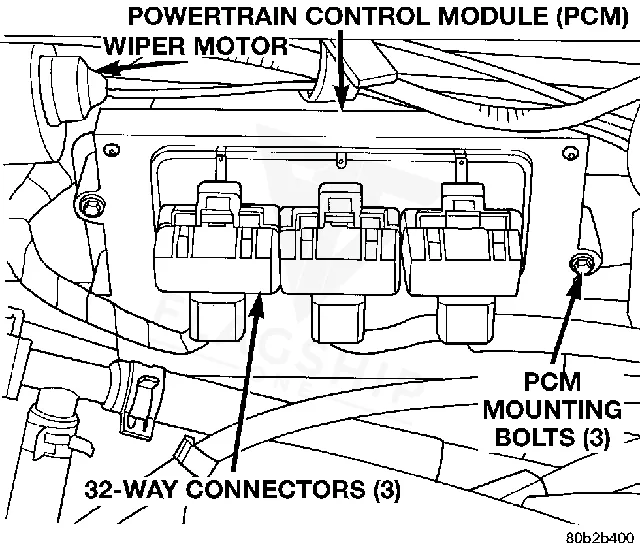
Work with the ignition off, and treat the module as static-sensitive: avoid touching the connector pins at any point.
| Operation | Configuration | Book Time |
|---|---|---|
| Powertrain Control Module Relearn | Van | 0.5 hr |
| Powertrain Control Module Relearn | Truck | 0.5 hr |
| Powertrain Control Module R&R | Van | 0.4 hr |
| Powertrain Control Module R&R | Van | 1.0 hr |
| Powertrain Control Module R&R | Truck | 0.4 hr |
| Powertrain Control Module R&R | GAS | 0.4 hr |
| Powertrain Control Module R&R | DIESEL | 0.7 hr |
| Engine Control Module Relearn | Van | 0.5 hr |
After installing a new PCM in your 1998 Dodge Ram Van, the factory procedure requires reprogramming the module with the vehicle’s original VIN and mileage. This step ensures the new unit recognizes your van’s specific configuration and avoids triggering compatibility-related fault codes. The process typically involves using a DRB scan tool to input the data, which can add 0.5 hours of labor to the job. However, if you opt for a VIN-programmed replacement unit, this step is already completed before the module arrives. That means your van can be back on the road immediately after installation, without waiting for additional programming or risking errors from manual input. This approach not only saves time but also reduces the chance of post-installation issues caused by incorrect data entry.
A failing PCM in your 1998 Dodge Ram Van often announces itself through a range of drivability issues. You might notice the engine stalling unexpectedly, especially at idle or during deceleration, or struggling to start despite a healthy battery and fuel supply. Some owners report rough idling, misfires, or hesitation under acceleration, as the module loses its ability to adjust fuel and ignition timing accurately. Transmission shifting may also become erratic, with delayed or harsh gear changes, as the PCM controls shift solenoids and torque converter lockup. Another red flag is a complete loss of communication with a scan tool, leaving you unable to retrieve trouble codes or monitor sensor data. If the module’s internal memory fails, you may see specific fault codes like an internal control module memory check error, which points directly to the PCM as the source of the problem. These symptoms often worsen over time, so addressing them promptly can prevent further damage to other components.
The 1998 Dodge Ram Van’s PCM can generate several module-specific trouble codes when internal failures occur. These codes help pinpoint issues within the module itself, rather than external sensors or actuators. Below are the documented codes for this vehicle, along with their typical causes and implications.
| Code | Meaning | Full Guide |
|---|---|---|
| P0601 | Internal memory checksum error | Full P0601 guide → |
| P0622 | Module-internal fault | Full P0622 guide → |
| P1682 | Module-internal fault | Full P1682 guide → |
| P1698 | Module-internal fault | — |
Chrysler issued service bulletin #18-21-98 to caution technicians about proper handling of the Powertrain Control Module in these vehicles. The bulletin emphasizes the importance of following factory procedures during replacement, including ensuring secure electrical connections and verifying module compatibility. It also advises against using aftermarket tools that may not support the required reprogramming steps, as this could lead to incomplete installations or persistent fault codes. While the bulletin doesn’t outline specific repairs, it serves as a reminder to treat the PCM as a sensitive component, not just a plug-and-play part.
| Bulletin | Subject | What It Addresses |
|---|---|---|
| 18-21-98 | 18-21-98 Powertrain Control Module (PCM) Service Caution | — |
The PCM controls fuel injection and ignition timing, so a failure can disrupt these processes. When the module loses its ability to adjust these parameters, the engine may stall, especially at idle or during sudden deceleration. This often happens because the PCM can no longer maintain the correct air-fuel mixture or spark timing.
Replacing the PCM is mechanically straightforward, but the factory requires reprogramming the new unit with your van’s VIN and mileage. Without the proper scan tool and software, you may not be able to complete this step, leading to drivability issues or fault codes. A pre-programmed unit eliminates this concern.
Sensor issues typically trigger codes related to specific components, like the oxygen sensor or throttle position sensor. If the PCM itself is failing, you may see module-specific codes like P0601 or P1698, or experience symptoms like stalling or no-start conditions that don’t correlate with a single sensor. A scan tool can help differentiate between the two.
Without reprogramming, the new PCM won’t recognize your van’s VIN or mileage, which can cause drivability issues or trigger fault codes. The module may default to a generic configuration, leading to poor performance, erratic shifting, or even a no-start condition. Factory procedures require this step to ensure full functionality.
Testing the PCM directly is challenging without specialized equipment, but you can rule out other issues first. Check for loose or corroded connectors, verify battery voltage, and scan for trouble codes. If module-specific codes like P0601 or P0622 appear, and other components test fine, the PCM is likely the culprit.
When your 1998 Dodge Ram Van’s PCM fails, you have two main options: repair or replace. Repairing the module may be cost-effective for minor issues, but it’s not always reliable for internal failures. Replacement ensures a fresh start, but the factory’s reprogramming requirement adds time and complexity. Opting for a pre-programmed unit streamlines the process, allowing your van to return to service immediately after installation. Given the labor times involved, choosing the right replacement can save you both time and potential headaches down the road.
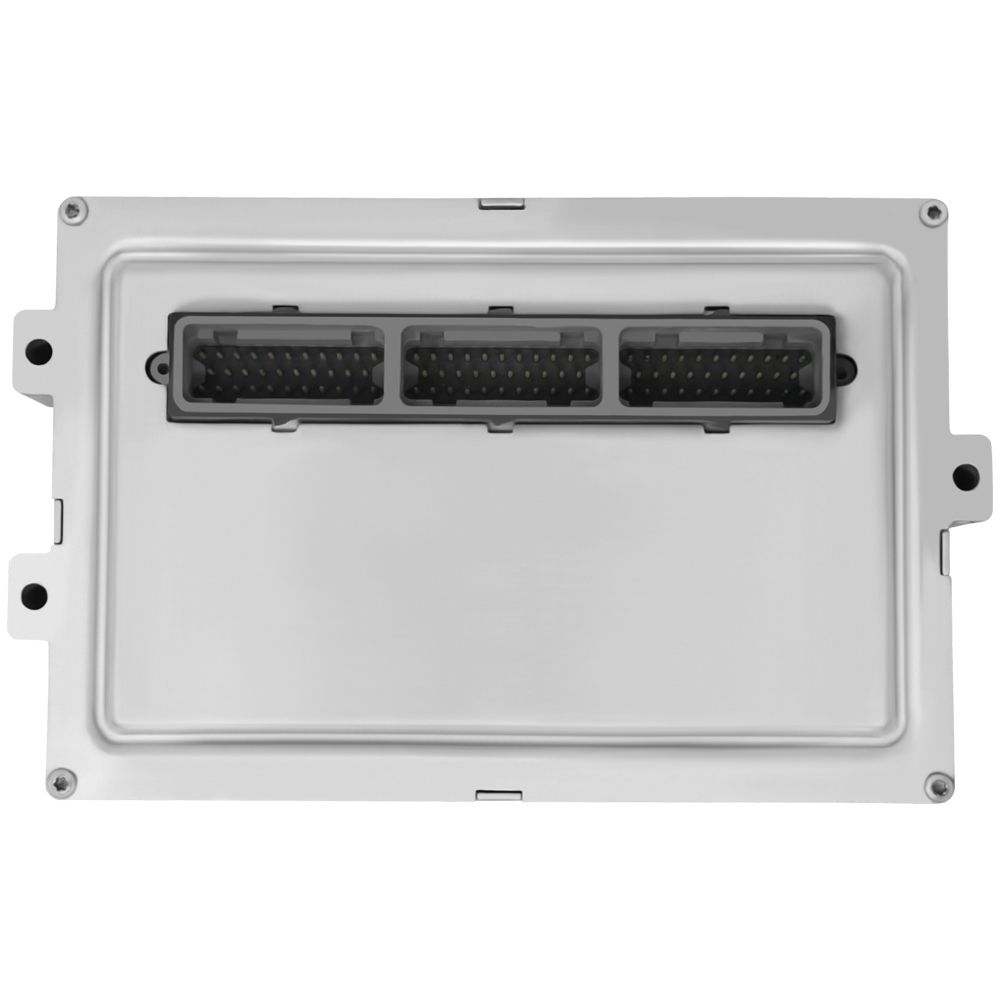
Flagship One stocks a refurbished, VIN-programmed PCM for the 1998 Dodge Ram Van with a lifetime warranty, free shipping and no core charge. The full Dodge Ram Van module lineup covers other engine configurations as well.
Your 1998 Dodge Ram Van relies on its PCM to keep the engine and transmission running smoothly. When this module fails, the symptoms can range from subtle drivability issues to complete no-start conditions. Understanding the replacement process, from labor times to programming requirements, helps you make informed decisions about repairs. Whether you tackle the job yourself or leave it to a professional, choosing a compatible, pre-programmed unit ensures a smoother transition and fewer post-installation surprises. With the right approach, your van can regain its reliability and get back on the road.