
Last updated on August 25th, 2026 at 12:01 pm
The engine management computer regulates fuel delivery and ignition timing within your 2008 Toyota Tacoma. Internal failures often cause drivability issues or prevent the engine from starting altogether. Replacing this component restores proper communication between sensors and actuators for smooth operation.
Dealing with engine management issues in your 2008 Toyota Tacoma can be frustrating when the cause remains unclear. You might notice performance drops or warning lights without obvious mechanical failures pointing to the root problem. Understanding the role of the central computer helps you make informed decisions about repairs versus replacement. This guide explains typical failure signs and the documented labor operations associated with servicing this critical component. You will learn about factory reprogramming bulletins that affect how these units are updated in the shop. Knowing the standard book times helps you evaluate repair estimates from professional technicians accurately. We cover what happens during installation and why certain reset procedures are necessary for proper function. Your goal is to return the vehicle to reliable service without unnecessary expenses or repeated visits. Proper diagnosis ensures you address the actual fault rather than swapping parts blindly. This information empowers you to discuss options confidently with your service provider regarding the engine control system.
2008 Toyota Tacoma
OEM programmed ECM for your 2008 Toyota Tacoma — plug & play, no dealer visit.
Free shipping · Lifetime warranty
The central processing unit for your 2008 Toyota Tacoma manages critical engine functions like fuel injection and spark timing. It processes data from various sensors to optimize performance and emissions compliance under different driving conditions. When this unit fails, the vehicle may enter a limp mode or refuse to run entirely. Technicians often refer to this component as the ECM or PCM depending on the specific system architecture. Replacement engine computers for the Tacoma replacement engine computers for the Tacoma must match the original calibration to function correctly. Internal circuitry can degrade over time due to heat cycles or voltage spikes from the charging system. Moisture intrusion through damaged seals is another common cause of internal corrosion and failure. You rely on this module to coordinate transmission shifting and idle speed control seamlessly. Without proper communication from this device, other systems cannot operate within their designed parameters. Understanding its function highlights why correct installation and configuration are vital for long-term reliability.
Accessing the engine control module in your 2008 Toyota Tacoma typically involves removing interior trim or underdash panels. Labor guides list the removal and replacement operation for the engine control module at 0.5 hours. Some procedures classify the powertrain control module removal and replacement separately at 0.7 hours depending on the specific configuration. Resetting the engine control module requires 0.3 hours of labor according to standard book times. Relearn procedures for the engine control module are allocated 0.5 hours to ensure proper adaptation. Powertrain control module relearn operations also carry a 0.5 hour labor allowance in many shop guides. Physical access varies by cab style and engine bay layout but generally remains reachable without major disassembly. Technicians must disconnect the battery before handling connectors to prevent electrical damage during the swap. Secure mounting ensures the unit remains protected from vibration and environmental hazards under the dashboard.
| Operation | Configuration | Book Time |
|---|---|---|
| Powertrain Control Module R&R | All configurations | 0.7 hr |
| Powertrain Control Module Relearn | All configurations | 0.5 hr |
| Engine Control Module Relearn | All configurations | 0.5 hr |
| Engine Control Module R&R | All configurations | 0.5 hr |
| Engine Control Module Reset | All configurations | 0.3 hr |
Factory service information outlines specific flashing procedures for electronic control units on applicable models. Technicians use diagnostic tools to perform the method for flashing ECUs via Techstream when updating software. Your replacement unit from Flagship One arrives as a VIN-programmed replacement unit so those steps are already done. This eliminates the need for additional configuration at the repair shop after installation. Standard protocols often require a reset or relearn sequence to synchronize the new hardware with existing sensors. Without this synchronization, the engine may run poorly or trigger diagnostic trouble codes immediately. Pre-configured modules allow you to bypass complex software updates that require specialized equipment. You save time and reduce labor costs by avoiding post-installation programming sessions. Ensuring the software matches your vehicle identification number is critical for emissions and performance. This approach streamlines the repair process and gets your 2008 Toyota Tacoma back on the road faster.
Common signs of module failure include intermittent stalling or a complete failure to start the engine. You might experience rough idling or unexpected shifts in transmission behavior during normal driving. Scan tools may fail to communicate with the engine system entirely when the internal processor is dead. Misfire codes can appear even when ignition components are functioning correctly due to signal errors. Electrical glitches may cause warning lights to illuminate without stored diagnostic trouble codes present. In some cases, the vehicle starts but runs in a reduced power mode to protect itself. Fuel economy often suffers when the computer cannot calculate proper air-fuel ratios accurately. Throttle response may become sluggish or unresponsive when pedal input signals are not processed. These issues typically worsen over time as internal connections corrode or components degrade further. Addressing these symptoms early prevents secondary damage to sensors or actuators relying on correct commands.
Factory service bulletins address reprogramming procedures for applicable Toyota models from this era. Bulletin number T-TCI-2758 covers the method for flashing ECUs via Techstream for Canada models from 2001 to 2008. Another document numbered T-SB-0064-10 applies to models from 2001 to 2011 regarding updating software. These documents outline the official method for updating software using diagnostic interfaces. Technicians follow these guidelines to ensure compliance with manufacturer standards during service. Adhering to these procedures helps prevent calibration errors after component replacement.
| Bulletin | Subject | What It Addresses |
|---|---|---|
| T-TCI-2758 | ’01-’08 All Applicable Toyota Models: Techstream ECU Flash Reprogramming Procedure (Canada) | — |
| T-SB-0064-10 | 01-11 Applicable Toyota Models: Techstream ECU Flash Reprogramming Procedure | — |
Driving with a failing module is risky as it may stall without warning. Performance issues can compromise safety and cause further damage to engine components. It is best to address the problem immediately to avoid being stranded.
Flagship One units arrive VIN-programmed so additional steps are not required. This saves you from needing specialized diagnostic tools at the repair shop. You can install the unit and start the vehicle without extra configuration.
Book times vary but engine control module R&R is often listed at 0.5 hours. Powertrain control module removal and replacement may be quoted at 0.7 hours depending on the shop. Relearn procedures typically add another 0.5 hours to the total labor estimate.
Used units often require reprogramming to match your vehicle identification number. Without matching calibration, the engine may not start or run correctly. Pre-programmed replacements eliminate this compatibility issue for a smoother repair process.
Professional diagnosis involves checking communication lines and power supply to the module. If sensors are functional but the computer does not process signals, replacement is likely needed. Scan tool communication failure is a strong indicator of internal module failure.
Repairing the original unit is an option but refurbished replacements offer a reliable alternative. You avoid the uncertainty of used parts with a unit designed for your specific model. Consider the labor costs involved in programming when choosing between repair and replacement options today.
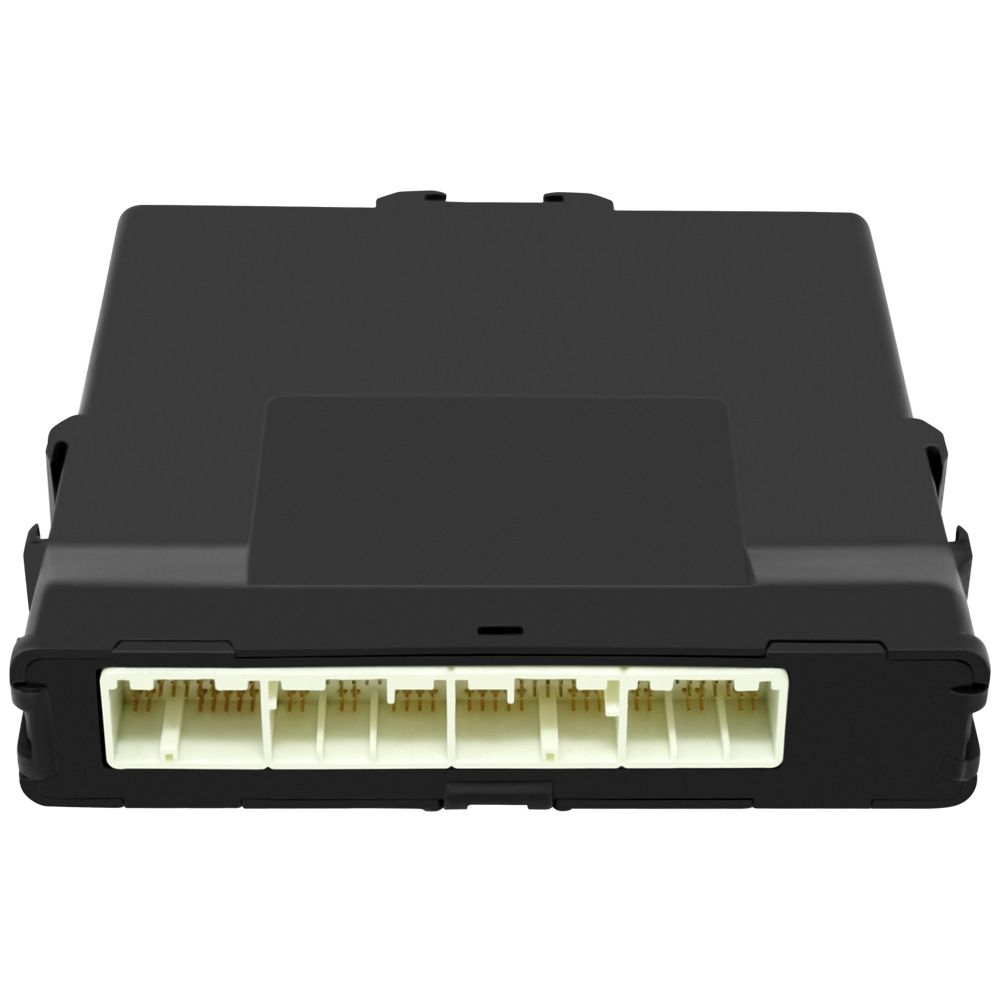
Flagship One stocks a refurbished, VIN-programmed PCM for the 2008 Toyota Tacoma with a lifetime warranty, free shipping and no core charge. The full Toyota Tacoma module lineup covers other engine configurations as well.
Restoring your 2008 Toyota Tacoma requires understanding the engine computer role and replacement process. Proper installation and configuration ensure long-term reliability for your daily driving needs. Contact Flagship One for solutions tailored to your vehicle management system requirements now.