
Last updated on August 25th, 2026 at 12:00 pm
The engine control module manages fuel delivery and ignition timing within your 2010 Toyota Tacoma. Failure often results in poor shifting performance or communication errors with diagnostic tools. Proper calibration ensures smooth operation and adherence to factory shifting performance standards.
When your 2010 Toyota Tacoma experiences irregular shifting or performance dips, the engine control module often becomes a primary suspect. Understanding the relationship between hardware replacement and software calibration is essential for accurate diagnostics. You gain clarity on factory service bulletins that address shift quality and operational smoothness through specific calibration enhancements. This guide outlines the documented labor operations associated with module removal and reset procedures. You will learn about the technical service bulletins applicable to your truck regarding ECM calibration. Recognizing the difference between physical replacement and software reprogramming helps manage repair expectations effectively. Proper identification of the correct procedure ensures your vehicle returns to optimal operating conditions. We examine the specific book times listed for relearn and removal tasks. This information assists in planning service intervals or discussing options with your repair facility. Knowledge of these protocols prevents unnecessary parts replacement when a calibration update suffices. Many owners overlook the importance of checking for existing calibration updates before swapping hardware. Reviewing the documented procedures provides a solid foundation for making informed maintenance decisions regarding your truck. Accurate diagnosis saves time and money during the repair process.
2010 Toyota Tacoma
OEM programmed replacements — plug & play, no dealer visit.
Find yours by year, make & model →
Free shipping · Lifetime warranty
The engine control module serves as the central processing unit for managing critical powertrain functions in your 2010 Toyota Tacoma. It regulates fuel injection timing and monitors sensor data to maintain efficient engine operation. When this component malfunctions, you may notice degraded shift quality or reduced smoothness during acceleration. Factory documentation highlights calibration enhancements designed to improve these specific areas of vehicle behavior. The module stores adaptive learning data that adjusts to your driving habits over time. Replacement units must align with the specific configuration of your truck to ensure compatibility. You can find replacement engine computers for the Tacoma that match original equipment specifications. Proper function is vital for maintaining communication with diagnostic scan tools used during service. Without correct operation, the powertrain may fail to execute commanded shifts accurately. This digital controller also manages emissions systems to comply with regulatory standards. Ensuring the software version matches factory recommendations prevents potential drivability concerns. Technicians often verify the current calibration level before authorizing hardware changes. The integrity of this computer directly influences overall drivability and transmission behavior. Regular diagnostics help identify when internal faults require attention versus external sensor issues. Service records indicate that calibration updates often resolve smoothness complaints without physical part replacement. Understanding the role of this component helps you communicate effectively with service advisors about necessary repairs. The system integrates with various sensors to optimize performance under different load conditions.
Service documentation outlines specific labor operations for handling the control module in your 2010 Toyota Tacoma. The book time for engine control module removal and replacement is listed at 0.5 hours. A separate operation for powertrain control module removal and replacement requires 0.7 hours. These figures represent the standard allowance for physical access and installation tasks. Resetting the engine control module carries a designated time of 0.3 hours according to the provided labor facts. Relearn procedures for the engine control module are allocated 0.5 hours of labor. Similarly, the powertrain control module relearn process is also assigned 0.5 hours. These distinct operations indicate that physical installation and software initialization are treated separately. You should anticipate that a complete service event may involve multiple line items on the repair order. Technicians follow these standardized times to estimate the total duration of the service visit. Access steps are not detailed in the provided labor data, so specific physical location varies. The focus remains on the documented time allowances for each specific procedure. Combining these tasks ensures the unit functions correctly after installation.
| Operation | Configuration | Book Time |
|---|---|---|
| Engine Control Module Relearn | All configurations | 0.5 hr |
| Engine Control Module R&R | All configurations | 0.5 hr |
| Engine Control Module Reset | All configurations | 0.3 hr |
| Powertrain Control Module R&R | All configurations | 0.7 hr |
| Powertrain Control Module Relearn | All configurations | 0.5 hr |
Factory procedures often require specific reprogramming steps after installing a new module in your 2010 Toyota Tacoma. Technical service bulletins describe a protocol for flashing the ECU using Techstream applicable to models from 2001 through 2011. This process ensures the software matches the latest calibration improvements regarding shift quality. Flagship One units arrive VIN-programmed so those steps are already done before shipment. You receive a VIN-programmed replacement unit that eliminates the need for onsite flashing in many cases. The factory relearn process typically consumes 0.5 hours for the engine control module. Avoiding additional calibration steps can reduce the total time your truck spends in the shop. Pre-configured hardware simplifies the installation workflow for your repair technician. This approach minimizes the risk of errors during the software initialization phase. Ensuring the unit is ready to operate upon arrival streamlines the replacement process. You avoid potential complications associated with manual flashing procedures at the service bay. The goal is to restore full functionality with minimal additional configuration required.
Common failure symptoms of this module type often manifest as drivability concerns in your 2010 Toyota Tacoma. You may experience shifting issues where gear changes feel harsh or delayed during acceleration. A no-start condition can occur if the computer fails to authorize fuel delivery or ignition. Stalling at idle or during low-speed maneuvers often points to internal processing errors. Misfire codes may appear if the module cannot correctly manage spark timing across cylinders. Dead scan-tool communication is another frequent indicator that the unit has lost internal functionality. Technicians might find that diagnostic equipment cannot establish a link with the engine system. These symptoms suggest the hardware may require replacement rather than simple sensor swaps. Shift quality degradation is specifically noted in factory bulletins regarding calibration enhancements. Smoothness complaints often accompany these mechanical symptoms during normal driving operations. Intermittent power loss may happen when the processor encounters internal faults. You might notice the check engine light illuminating without obvious external causes. Addressing these signs promptly prevents further strain on related powertrain components. Consistent communication failures usually indicate a need for deeper diagnostic investigation. Understanding these patterns helps distinguish between module failure and peripheral sensor issues. Some owners report erratic behavior after battery disconnection if the module cannot relearn properly. Persistent faults despite sensor replacement often point to the central computer itself.
Factory service bulletins address specific calibration needs for your 2010 Toyota Tacoma. Bulletin T-TCI-3343 covers ECM calibration enhancements for shift quality and operational smoothness in Canada. Bulletin T-SB-0393-09 Rev1 addresses similar ECM calibration improvements for shift quality and operational smoothness. A third document, T-SB-0064-10, outlines the protocol for flashing the ECU using Techstream. This procedure applies to applicable Toyota models from 2001 through 2011. These documents indicate that software updates may resolve smoothness complaints without hardware replacement. Technicians reference these numbers when diagnosing shifting behavior concerns. The bulletins focus on enhancing the overall driving experience through updated calibration files.
| Bulletin | Subject | What It Addresses |
|---|---|---|
| T-TCI-3343 | ’10 Tacoma: ECM Calibration: Enhancement to Shifting Performance and Smoothness (Canada) | — |
| T-SB-0393-09 Rev1 | T-SB-0393-09 Rev1: ’10 Tacoma: ECM Calibration: Enhancement to Shifting Performance & Smoothnes | — |
| T-SB-0064-10 | 01-11 Applicable Toyota Models: Techstream ECU Flash Reprogramming Procedure | — |
Factory procedures often list relearn steps taking 0.5 hours for the engine control module. However, pre-programmed units may eliminate the need for onsite flashing.
Documentation lists 0.7 hours for powertrain control module removal and replacement tasks. This time covers physical access and installation only.
Yes, bulletins T-TCI-3343 and T-SB-0393-09 Rev1 address ECM calibration for shifting performance. These updates focus on enhancement to smoothness.
The engine control module reset is allocated 0.3 hours according to labor facts. This is separate from the full relearn process.
Bulletin T-SB-0064-10 applies to applicable Toyota models from 2001 through 2011. Your vehicle falls within this range for reprogramming.
You may choose between repairing your existing unit or installing a refurbished replacement for your 2010 Toyota Tacoma. Refurbished options often provide a more reliable long-term solution than attempting internal board repairs. Consider the labor times for removal when weighing the cost effectiveness of each path. A replacement unit typically restores functionality without the uncertainty of component-level diagnosis.
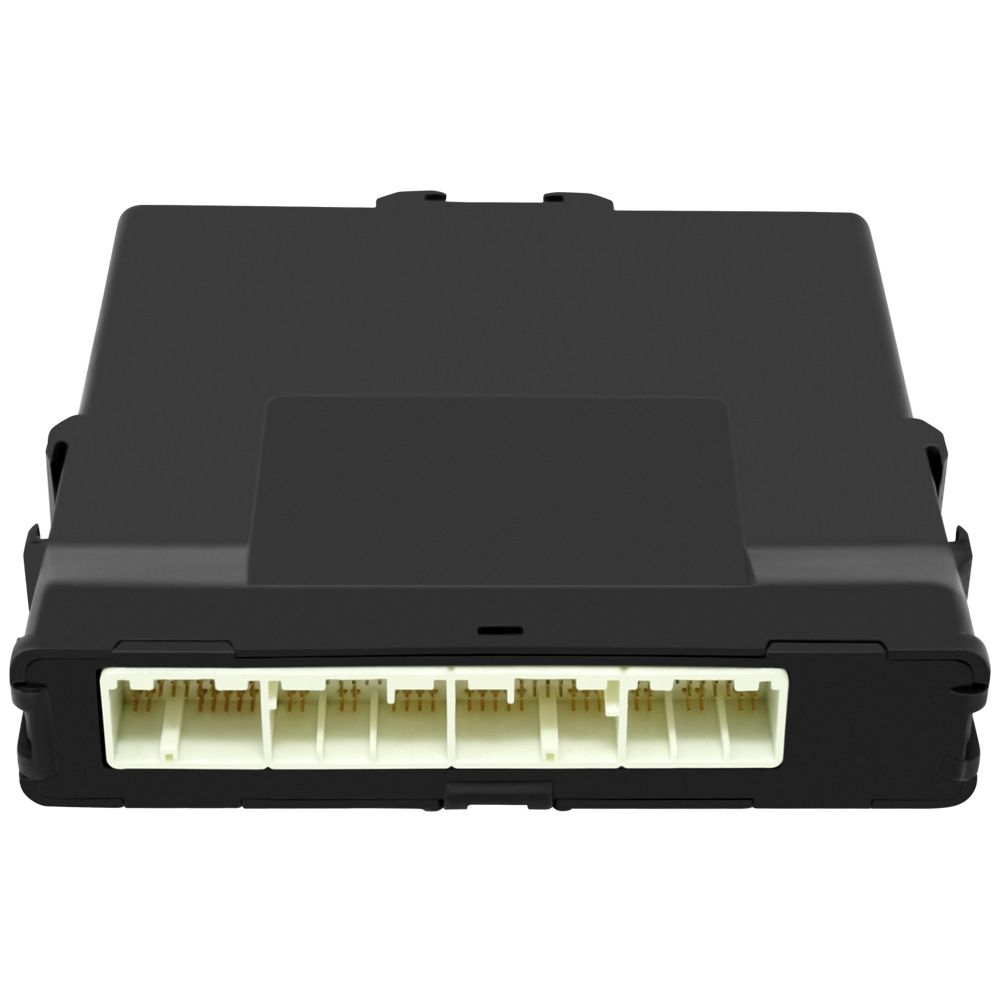
Flagship One stocks a refurbished, VIN-programmed PCM for the 2010 Toyota Tacoma with a lifetime warranty, free shipping and no core charge. The full Toyota Tacoma module lineup covers other engine configurations as well.
Proper maintenance of the engine computer ensures reliable operation for your 2010 Toyota Tacoma. Reviewing labor facts and bulletins helps you plan for necessary service interventions. Selecting the correct replacement option minimizes downtime and restores shifting performance. Contact technical support to verify compatibility before proceeding with your repair project.