
Last updated on August 25th, 2026 at 11:59 am
The engine control module manages ignition and fuel for your 2011 Toyota Tacoma. Internal failures cause no-start conditions or stalling. This unit processes sensor data to optimize performance. Replacement requires specific labor operations and programming steps to ensure compatibility with your vehicle electronics.
When managing repairs on your 2011 Toyota Tacoma, understanding the electronic management system is crucial for accurate diagnostics and long-term reliability. Many owners encounter issues where the vehicle fails to start or runs poorly due to computer malfunctions within the engine bay. This guide explains the role of the powertrain control unit and what happens during replacement procedures. You will learn about labor expectations and programming requirements specific to your truck model year. Proper handling ensures the engine operates smoothly after service without triggering warning lights. Technicians often see communication errors that stem from internal module faults requiring attention. Addressing these correctly prevents repeat visits and unnecessary part swapping during the repair process. We focus on factual labor times and factory procedures to help you plan your budget. Knowing the reset and relearn processes helps manage shop time effectively for your situation. Your vehicle relies on this component for fuel and spark control every time you drive. Ignoring these details may lead to extended downtime or incorrect diagnostic conclusions regarding the engine.
The engine control module manages critical functions like ignition timing and fuel injection for your 2011 Toyota Tacoma throughout every drive cycle. It processes sensor data to optimize performance and emissions compliance during various driving conditions and load scenarios. Without this unit, the engine cannot coordinate spark or deliver fuel correctly to the cylinders. Internal failures may disrupt communication with other systems on the vehicle network significantly. When this happens, you might experience stalling or a no-start condition unexpectedly while operating the truck. Replacement units must match the original specifications to ensure compatibility with your truck electronics. Searching for replacement engine computers for the Tacoma ensures you find compatible hardware for your specific model year configuration. The module also monitors internal processor health to detect faults early before total failure occurs. If the processor fails, the system may enter a limp mode to protect the engine components. Understanding this role helps you appreciate why programming is vital after installation of any new unit. Your vehicle depends on this computer for daily operation and efficiency standards set by the manufacturer. Neglecting internal faults can lead to broader electrical issues over time if left unaddressed properly. Technicians rely on specific diagnostic tools to verify module health before condemning the part entirely. Data streams allow mechanics to observe live inputs and outputs from the computer system.
2011 Toyota Tacoma
OEM programmed replacements — plug & play, no dealer visit.
Find yours by year, make & model →
Free shipping · Lifetime warranty
Service documentation outlines specific labor operations for removing and installing the control unit safely. Replacing the engine control module typically requires 0.5 hours according to standard book times listed. A separate operation for resetting the module takes 0.3 hours to complete fully during service. If you are replacing the powertrain control module, the labor time increases to 0.7 hours for removal. Relearning the powertrain control module also requires 0.5 hours of technician time for calibration procedures. These figures help you estimate the total service duration for your repair job accurately. Access involves disconnecting electrical connectors and unbolting the unit from its mounting bracket securely. Proper torque specifications should be followed when securing the new module in place correctly. Always verify connections are clean before reassembly to prevent future communication errors or voltage drops. Technicians must ensure all fasteners are tightened to avoid vibration damage during vehicle operation.
| Operation | Configuration | Book Time |
|---|---|---|
| Engine Control Module Relearn | All configurations | 0.5 hr |
| Engine Control Module R&R | All configurations | 0.5 hr |
| Engine Control Module Reset | All configurations | 0.3 hr |
| Powertrain Control Module R&R | All configurations | 0.7 hr |
| Powertrain Control Module Relearn | All configurations | 0.5 hr |
Factory procedures dictate specific steps after installing a new control module on your 2011 Toyota Tacoma for proper function. If diagnostic code P0630 is present, the vehicle identification number must be entered into the ECM manually. This process requires using the Techstream diagnostic tool to input the VIN data correctly every time. Note that all diagnostic trouble codes are cleared automatically by the Techstream during VIN input sequences. Flagship One units arrive with this programming already completed to save you time and effort. Purchasing a VIN-programmed replacement unit eliminates the need for these complex setup steps at the repair shop. This ensures the module communicates properly with your vehicle immobilizer system immediately upon installation. You avoid potential errors associated with manual programming attempts in the field environment. The pre-configured software matches your truck specifications for seamless operation without additional configuration. Technicians can focus on mechanical repairs rather than software initialization tasks during the service visit.
Common signs of module failure include engine stalling or failure to start when turning the key ignition. You may notice the check engine light illuminating without obvious external causes or mechanical issues. Loss of communication with scan tools often indicates internal computer damage within the main unit. Shifting issues may arise if the transmission control relies on the main processor for data. Specific internal faults like internal processor fault P0606 suggest the computer cannot monitor itself effectively. Another code such as P0607 points to performance problems within the control unit hardware. These errors often prevent the engine from running smoothly under load or during acceleration. Fuel economy may drop significantly as the system defaults to safe modes for protection. Intermittent power loss can occur while driving at highway speeds unexpectedly and without warning. Addressing these symptoms early prevents further damage to related electrical components and sensors. Mechanics may find the vehicle enters limp mode to restrict performance and protect the engine. Random misfires can also occur due to incorrect spark timing signals from the faulty module.
The following list includes module-internal trouble codes documented for this specific vehicle model and year. These codes indicate faults within the computer hardware rather than external sensors or wiring. Diagnosing these requires verifying power and ground before replacing the unit entirely. Technicians use these identifiers to confirm internal processing errors during diagnostic scans.
| Code | Meaning | Full Guide |
|---|---|---|
| P0606 | Module processor failure | Full P0606 guide → |
| P0607 | Module performance fault | Full P0607 guide → |
Driving is not recommended as the engine may stall or enter limp mode unexpectedly. Performance will be severely restricted to protect components from potential damage.
Flagship One units arrive pre-programmed so no additional setup is required at the shop. This saves labor time and reduces potential configuration errors during installation.
Book times suggest 0.5 hours for engine control module removal and installation specifically. Additional time is needed for resets or relearn procedures depending on the unit.
No, internal hardware faults require unit replacement to resolve the issue permanently. Clearing codes only resets the warning light temporarily without fixing the cause.
Diagnostic tools can identify communication loss or internal fault codes within the system. Verify power and ground before condemning the computer unit to avoid mistakes.
Choosing between repair and refurbished replacement depends on the extent of internal damage found during diagnosis. Refurbished options offer a cost-effective solution for your 2011 Toyota Tacoma electrical system. Ensure the provider offers programming services to match your vehicle VIN correctly. This approach minimizes downtime and ensures compatibility with existing engine management components. Professional installation remains recommended to handle electrical connections safely and securely.
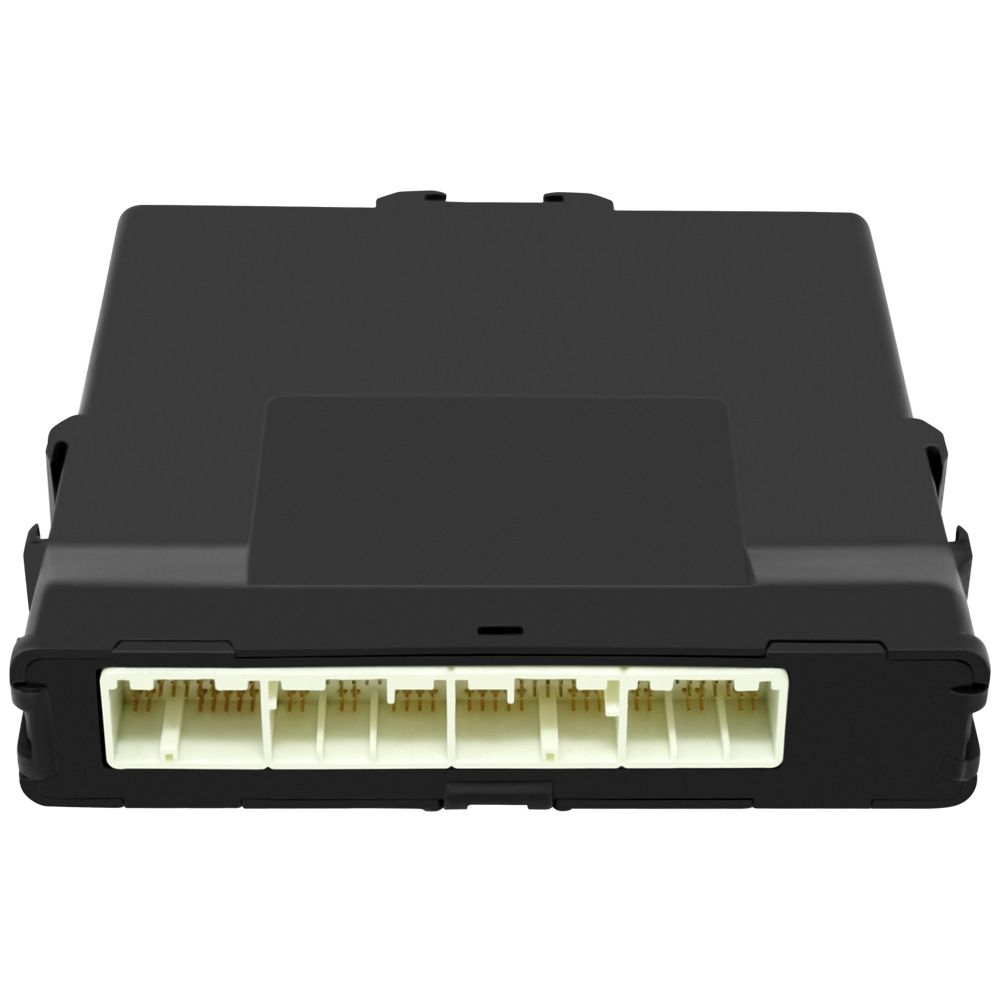
Flagship One stocks a refurbished, VIN-programmed PCM for the 2011 Toyota Tacoma with a lifetime warranty, free shipping and no core charge. The full Toyota Tacoma module lineup covers other engine configurations as well.
Proper handling of the engine computer ensures reliable performance for your 2011 Toyota Tacoma over the long term. Understanding labor times and programming needs helps you plan the repair effectively without surprises. Contact Flagship One for compatible units that meet factory specifications for your truck. This ensures your vehicle returns to normal operation quickly and safely on the road.