
Last updated on August 25th, 2026 at 12:01 pm
The engine control module manages fuel delivery and ignition timing within your 2008 Toyota Sequoia. Internal processor faults may disrupt communication between sensors and actuators. This disruption often leads to drivability concerns or illumination of the check engine light on the dashboard.
When your 2008 Toyota Sequoia exhibits persistent electronic issues, the engine control module often becomes a primary suspect. Understanding the role of this computer helps you diagnose problems accurately before committing to repairs. Detailed information explains the function of the powertrain control system within your specific truck. You will learn about standard labor expectations and factory procedures required for service. Recognizing the signs of internal processor failure allows for informed decisions regarding replacement options. Proper handling of these components ensures your vehicle returns to reliable operation without unnecessary complications. This content focuses on factual data regarding installation times and technical service bulletins relevant to your model year.
This component serves as the central brain for managing engine performance and emissions systems in your 2008 Toyota Sequoia. It processes data from various sensors to adjust fuel mixture and spark timing continuously. If the processor fails, the vehicle may enter a limp mode or refuse to start entirely. Maintaining proper voltage supply is critical for longevity of these sensitive electronic units. You can find replacement engine computers for the Sequoia through specialized suppliers when original units fail. These systems coordinate transmission shifting and ignition sequences to ensure smooth driving characteristics. Neglecting early warning signs often leads to complete loss of communication with diagnostic tools. Regular inspection of wiring harnesses helps prevent external damage from affecting the internal circuitry.
2008 Toyota Sequoia
OEM programmed ECM for your 2008 Toyota Sequoia — plug & play, no dealer visit.
Free shipping · Lifetime warranty
Standard labor guides assign specific times for exchanging these electronic components on your 2008 Toyota Sequoia. Swapping the main engine computer requires 1.0 hours of booked labor. Resetting the system typically consumes 0.3 hours of labor time. Relearning parameters for the engine computer takes 0.5 hours. Swapping the powertrain control module similarly requires 1.0 hours of booked labor. Completing the relearn process for the powertrain control module takes 0.5 hours. These estimates cover the basic exchange of the unit without accounting for diagnostic troubleshooting time. Technicians should allocate sufficient time for all reset and relearn tasks. Always verify access points before beginning the removal process on your vehicle. Physical access requirements vary depending on specific chassis configurations for this model year.
| Operation | Configuration | Book Time |
|---|---|---|
| Engine Control Module Relearn | All configurations | 0.5 hr |
| Engine Control Module R&R | All configurations | 1.0 hr |
| Engine Control Module Reset | All configurations | 0.3 hr |
| Powertrain Control Module R&R | All configurations | 1.0 hr |
| Powertrain Control Module Relearn | All configurations | 0.5 hr |
Factory documentation outlines specific flash reprogramming procedures using Techstream equipment for applicable models. These steps ensure the new unit communicates correctly with existing vehicle systems. When you order a VIN-programmed replacement unit from Flagship One, those configuration steps are already complete. This eliminates the need for additional flashing during installation at the shop. The technical service bulletins indicate reprogramming is relevant for models spanning multiple years. Avoiding manual flashing reduces the risk of errors during the service interval. Your vehicle will recognize the new component immediately upon connection. This streamlines the repair process significantly for both technicians and owners.
Common signs of failure include unexpected stalling while driving or a no-start condition when turning the key. You may experience harsh shifting patterns or noticeable misfires during acceleration. Diagnostic tools might fail to establish communication with the engine computer entirely. Internal processor faults often trigger specific diagnostic trouble codes stored in memory. For instance, indicating a P0606 processor fault may appear during a standard scan. These symptoms suggest the central computer is struggling to process sensor data reliably. Ignoring these warnings can lead to being stranded unexpectedly on the road. Electrical glitches may also cause the check engine light to illuminate intermittently. Addressing these issues promptly helps prevent further damage to related components in your 2008 Toyota Sequoia.
The following list represents documented internal trouble codes associated with this specific vehicle model. These codes indicate failures within the processor itself rather than external sensors. Reviewing these identifiers helps confirm whether replacement is necessary for your repair plan.
| Code | Meaning | Full Guide |
|---|---|---|
| P0606 | Module processor failure | Full P0606 guide → |
Factory records include bulletin T-TCI-2758 covering flash reprogramming procedures using Techstream for Canada. This document applies to relevant Toyota vehicles from 2001 through 2008. Another relevant publication is T-SB-0064-10 which addresses similar procedures for flashing the ECU. That bulletin covers relevant Toyota vehicles ranging from 2001 to 2011. These documents outline the official method for updating software within the electronic control unit. Technicians refer to these guides when servicing vehicles within the specified production years. Compliance with these procedures ensures the module operates according to manufacturer specifications.
| Bulletin | Subject | What It Addresses |
|---|---|---|
| T-TCI-2758 | ’01-’08 All Applicable Toyota Models: Techstream ECU Flash Reprogramming Procedure (Canada) | — |
| T-SB-0064-10 | 01-11 Applicable Toyota Models: Techstream ECU Flash Reprogramming Procedure | — |
Factory procedures often mandate flash reprogramming for applicable models. However, pre-configured units eliminate this step during installation. You should verify specific requirements based on the replacement part source.
Standard guides typically assign 1.0 hours for removal and installation tasks. Additional time may be needed for reset or relearn procedures. These estimates do not include diagnostic troubleshooting time.
This code indicates an internal processor fault within the computer. Clearing the code usually does not fix the underlying hardware failure. Replacement is typically necessary to resolve the issue permanently.
You may choose between repairing your original unit or installing a refurbished replacement. Refurbished options often provide a more reliable solution for internal processor failures. This approach avoids the uncertainty of repairing damaged circuitry on older components. For your 2008 Toyota Sequoia, exchanging the module ensures compatibility with existing systems. Consider the long-term reliability when selecting your service path.
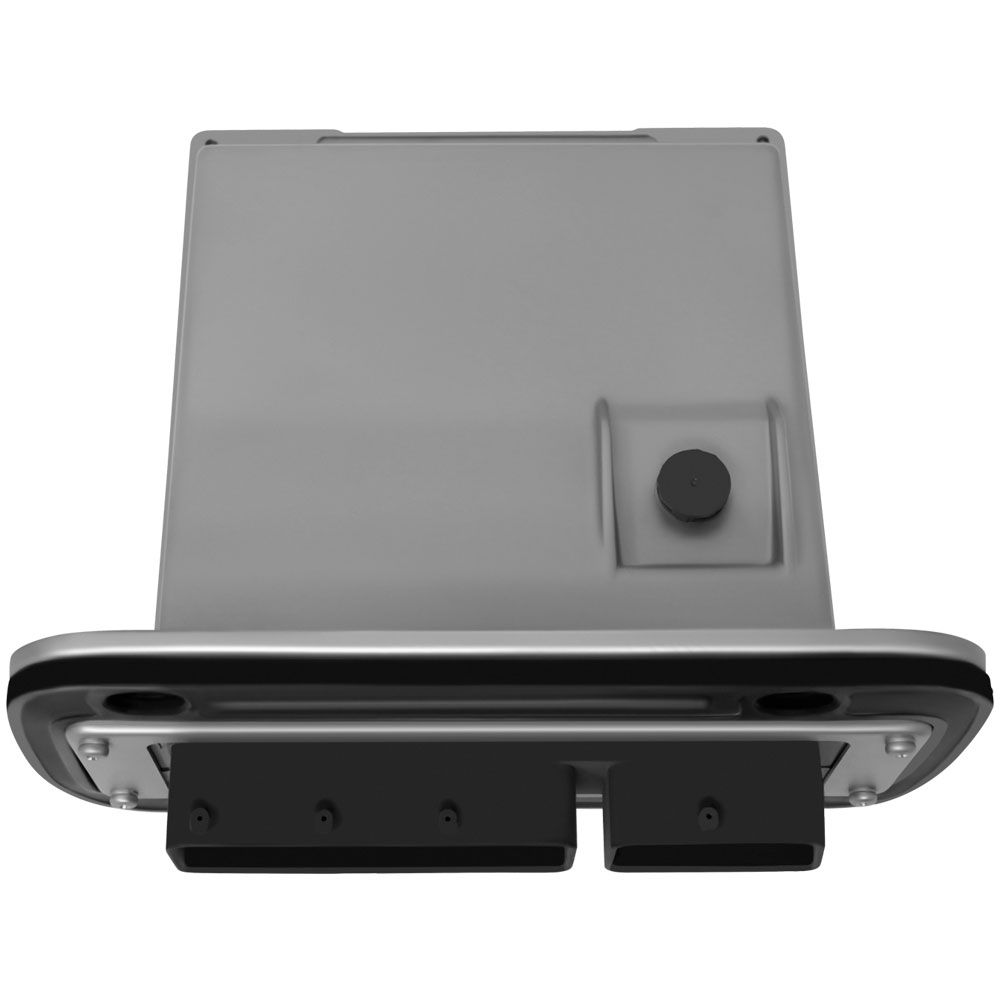
Flagship One stocks a refurbished, VIN-programmed PCM for the 2008 Toyota Sequoia with a lifetime warranty, free shipping and no core charge. The full Toyota Sequoia module lineup covers other engine configurations as well.
Restoring proper function to your 2008 Toyota Sequoia requires attention to electronic control details. Understanding labor times and factory procedures helps you manage the repair process effectively. Selecting the correct replacement component ensures reliable performance for the long term. Review your options carefully before proceeding with any service work on the vehicle.