
Last updated on August 25th, 2026 at 12:02 pm
The engine control module in your 2006 Toyota Sequoia manages critical fuel and ignition functions. When this computer fails, it often causes rough running, stalling, or failed emissions tests due to missing VIN data. Replacing it restores proper engine management.
When the engine control module in your 2006 Toyota Sequoia begins to fail, it often creates frustrating and unpredictable driving symptoms. You might experience sudden stalling, a no-start condition, or persistent dashboard warning lights. Understanding what this computer does and how to address its failure is essential for getting your vehicle back on the road reliably. The powertrain control module acts as the central processing unit for your SUV, coordinating fuel delivery, ignition timing, and emissions systems. When it malfunctions, replacing it is the most straightforward solution, but the process involves more than simply unplugging the old unit and connecting a new one. Specific programming steps are required to ensure the new module communicates properly with the rest of the vehicle. By learning about the replacement process, common symptoms, and necessary programming, you gain the knowledge to make informed repair decisions. This guide outlines the factory labor times, typical failure indicators, and critical vehicle identification number programming requirements for your 2006 Toyota Sequoia, helping you navigate the repair with confidence and avoid unnecessary expenses or delays.
The engine control module in your 2006 Toyota Sequoia serves as the primary brain for the entire powertrain. It continuously processes data from various sensors throughout the vehicle to regulate critical engine functions. By adjusting fuel injector pulse width, controlling ignition timing, and monitoring emissions components, this computer ensures your SUV runs efficiently and cleanly. When this module operates correctly, you enjoy smooth acceleration and optimal fuel economy. However, when internal processor faults occur, the engine may run poorly or fail to start entirely. Because the module controls so many vital functions, its failure essentially disables the vehicle. Locating reliable 2006 Toyota Sequoia ECM options is an important step when facing these internal failures, as a malfunctioning unit cannot be simply repaired through basic maintenance. The module constantly adapts to driving conditions, making it a sophisticated piece of hardware that requires proper initialization upon replacement. Beyond engine management, this computer also oversees communication with other vehicle systems, meaning a fault here can trigger false warnings elsewhere on the dashboard. Understanding its central role highlights why proper replacement and programming are so crucial. Ignoring a failing module often leads to being stranded, as the engine relies entirely on its commands to keep running. Furthermore, the module is responsible for storing diagnostic trouble codes, which are essential for troubleshooting secondary issues. Without a functioning computer, diagnosing other potential problems becomes nearly impossible, leaving you guessing at the root cause of drivability concerns.
2006 Toyota Sequoia 4.7L
OEM programmed ECM for your 2006 Toyota Sequoia 4.7L — plug & play, no dealer visit.
Free shipping · Lifetime warranty
Replacing the powertrain control module on your 2006 Toyota Sequoia involves specific labor times that reflect the complexity of the task. The factory book time for the removal and installation of the module is 0.5 hours. This time accounts for physically accessing the unit, disconnecting the wiring harnesses, and securing the new component in place. In addition to the physical swap, a relearn procedure is necessary, which also requires 0.5 hours of labor. During this phase, the new computer is initialized to communicate with the other systems in your vehicle. If you are replacing the engine control module specifically, the labor times remain consistent, with 0.5 hours allocated for the relearn process and 0.5 hours for the physical removal and installation. These times represent the standard industry benchmarks for completing the work correctly. Following the proper sequence ensures that the replacement module integrates seamlessly with the existing vehicle architecture.
| Operation | Configuration | Book Time |
|---|---|---|
| Engine Control Module Relearn | All configurations | 0.5 hr |
| Engine Control Module R&R | All configurations | 0.5 hr |
| Powertrain Control Module R&R | All configurations | 0.5 hr |
| Powertrain Control Module Relearn | All configurations | 0.5 hr |
After installing a new computer, the factory procedure requires writing the vehicle identification number directly into the module. You must enter the VIN in accordance with the Diagnostic Tester display. For most 2005 model year vehicles, failure to write the VIN to the ECM or PCM will result in a M. It is critical to remember to enter the VIN on these vehicles, as vehicles with missing VINs are subject to failing some state and local vehicle emissions Inspection and Maintenance programs. During the procedure, if the displayed confirmation does not match, you must write the VIN again after the prompt indicating the following VIN has been written. A mid-June 2005 update added 2004 and 2006 model year vehicles to the procedure, specifically adding the Highlander HV to step four. Choosing VIN-programmed replacement unit eliminates the need to perform these complex steps yourself, as the necessary identification data is already flashed into the module before it leaves the facility. This ensures your 2006 Toyota Sequoia passes local emissions testing immediately.
When the engine control module in your 2006 Toyota Sequoia starts to degrade, several noticeable symptoms often appear. A failing computer frequently causes a no-start condition, leaving you stranded without warning. You may also experience intermittent stalling while driving, which poses a significant safety risk on busy roads. Misfire codes are common, as the module struggles to manage ignition timing or fuel delivery accurately. Sometimes, the engine may hesitate during acceleration or run excessively rich, leading to poor fuel economy and rough idling. Another strong indicator of computer failure is dead scan-tool communication, meaning your diagnostic equipment cannot establish a connection with the module at all. Shifting issues can also occur if the unit controls transmission functions, resulting in harsh or delayed gear changes that feel abrupt. Specific diagnostic trouble codes point directly to internal computer failures. For instance, triggering an internal processor fault indicates that the primary processor inside the module has malfunctioned. Other related codes, like P0604, P0607, or P0657, also suggest internal circuitry or memory errors within the unit. When these codes appear alongside drivability problems, the module itself is often the root cause rather than individual sensors. Ignoring these symptoms rarely resolves them, as internal hardware degradation is permanent and typically worsens over time. Diagnosing these issues promptly prevents cascading failures in related sensors and ignition components, ensuring your vehicle remains dependable.
The following diagnostic trouble codes are specifically documented as module-internal faults for the 2006 Toyota Sequoia. When your diagnostic scanner reveals any of these codes, it typically points to a failure inside the computer itself rather than a problem with external wiring or sensors.
Factory documentation issued on June 3, 2005, provides important updates regarding the vehicle identification number write procedure. The content has been updated to include 2004 and 2006 model year vehicles. Specifically, the Highlander HV has been added to step four of the VIN write procedure on page two. The caution emphasizes the necessity to remember to enter the VIN on these vehicles. Vehicles with missing VINs are subject to failing some state and local vehicle emissions Inspection and Maintenance programs. Adhering to this updated procedure ensures compliance with local regulations and prevents unnecessary testing failures.
Failure to write the vehicle identification number to the engine control module will result in an incomplete installation. Vehicles with missing VINs are subject to failing some state and local vehicle emissions Inspection and Maintenance programs.
The factory book time for the physical removal and installation of the module is 0.5 hours. An additional 0.5 hours is required to complete the relearn procedure.
This specific trouble code indicates an internal processor fault within the engine computer itself. It typically means the main processor has failed, requiring module replacement rather than external wiring repairs.
It is generally not recommended, as a failing module often causes unpredictable stalling or a no-start condition. Driving with internal computer faults poses safety risks and may lead to catalytic converter damage from improper fuel management.
The relearn procedure allows the newly installed computer to calibrate itself to your specific engine and transmission parameters. This process takes approximately 0.5 hours of labor to complete correctly using a diagnostic tester.
Choosing between repairing or replacing the computer in your 2006 Toyota Sequoia depends on the severity of the internal failure. While some specialized shops attempt board-level repairs, a refurbished replacement often provides a more reliable long-term solution. Pre-programmed options eliminate the need for complex VIN writing procedures and dealership visits, getting your SUV back on the road faster and with greater confidence in the repair.
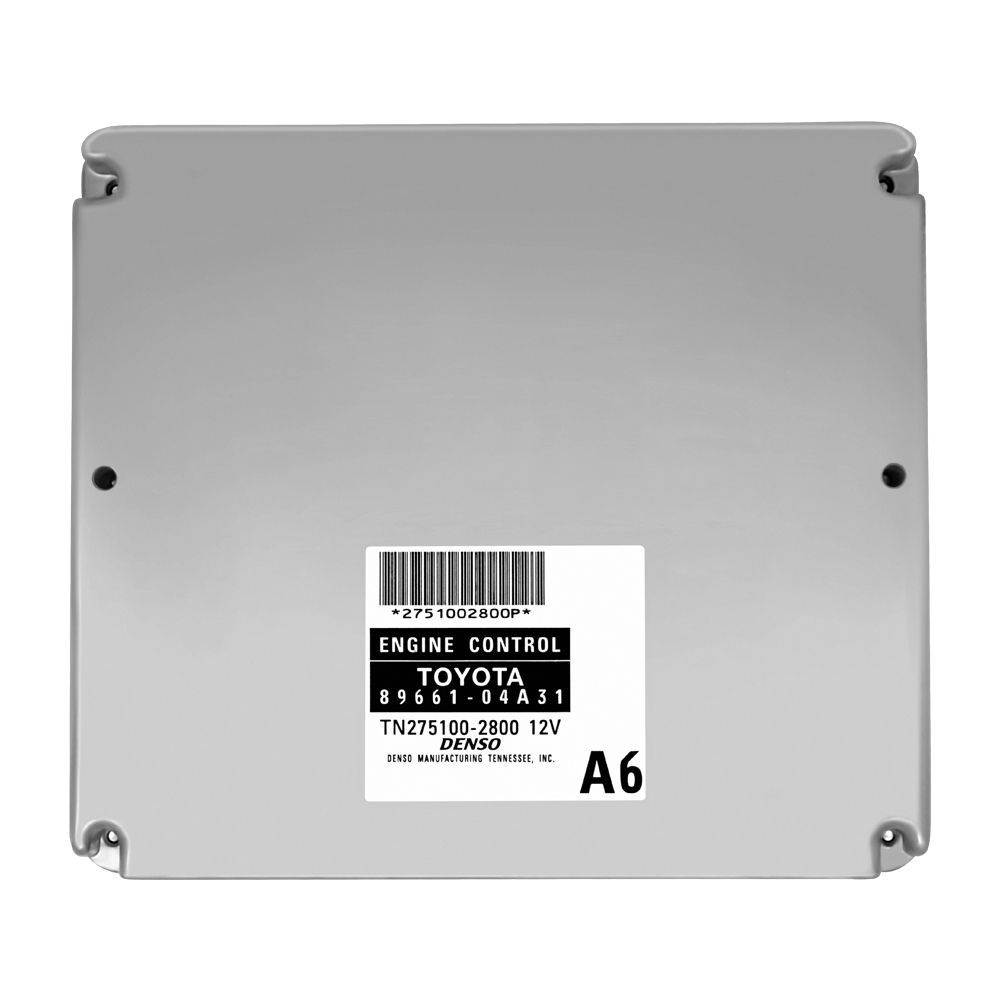
Flagship One stocks a refurbished, VIN-programmed PCM for the 2006 Toyota Sequoia with a lifetime warranty, free shipping and no core charge. The full Toyota Sequoia module lineup covers other engine configurations as well.
Addressing engine computer issues in your 2006 Toyota Sequoia promptly ensures your vehicle remains dependable and compliant with local emissions regulations. Understanding the specific replacement and programming requirements helps you avoid unnecessary dealership delays and failed inspections. By recognizing the symptoms and labor times involved, you can approach the repair with confidence. Explore quality replacement options to restore proper engine management and drivability to your SUV quickly and effectively.