
Last updated on August 25th, 2026 at 12:00 pm
The engine control module in the 2010 Toyota Sequoia manages critical fuel and ignition parameters for the 5.7L V8. When this computer fails, it often causes rough running or prevents starting entirely, requiring replacement to restore proper drivability.
When a 2010 Toyota Sequoia develops engine management problems, the root cause may trace back to the engine control module. This computer dictates how the 5.7L engine operates, adjusting variables to maintain efficiency and performance. Understanding what this component does, how it fails, and what replacement involves helps you make informed repair decisions. A failing unit can disrupt your vehicle’s drivability, leading to frustrating symptoms. By learning about the module’s functions, typical failure signs, and required programming steps, you can approach the repair process with confidence. Whether you are troubleshooting a check engine light or facing a no-start condition, recognizing the role of this computer clarifies the path to getting your Sequoia back on the road reliably.
The engine control module in your 2010 Toyota Sequoia serves as the central brain for the 5.7L V8 powertrain. It continuously processes data from various sensors throughout the vehicle to regulate fuel injection, ignition timing, and emission controls. By constantly adjusting these parameters, the computer ensures the engine runs smoothly and efficiently under varying load conditions. When this module operates correctly, you experience seamless acceleration and consistent fuel economy. Conversely, a malfunctioning unit disrupts these critical calculations, often leading to noticeable performance issues or complete engine shutdown. Because the computer controls so many vital functions, its failure renders the vehicle practically undrivable. If you determine the original unit is defective, sourcing Toyota Sequoia engine computers is the necessary next step to restore proper communication between the sensors and the engine hardware. Replacing the faulty unit ensures your SUV regains its intended operational parameters.
2010 Toyota Sequoia 5.7L
OEM programmed replacements — plug & play, no dealer visit.
Find yours by year, make & model →
Free shipping · Lifetime warranty
Replacing the engine control module on the 2010 Toyota Sequoia typically requires 1.0 hours of labor. The powertrain control module R&R shares the same 1.0-hour labor time. After the physical installation is complete, additional labor time is often necessary to integrate the new hardware with your vehicle. A module reset requires 0.3 hours, while the relearn procedure for the engine control module demands 0.5 hours. The powertrain control module relearn also requires 0.5 hours. These book times reflect the standard processes needed to ensure the new computer correctly recognizes the vehicle’s specific sensor calibrations and throttle position data. Your technician will need to follow these procedures so the 5.7L engine runs correctly after the swap. Planning for these specified times helps manage repair expectations effectively.
| Operation | Configuration | Book Time |
|---|---|---|
| Engine Control Module Relearn | All configurations | 0.5 hr |
| Engine Control Module R&R | All configurations | 1.0 hr |
| Engine Control Module Reset | All configurations | 0.3 hr |
| Powertrain Control Module R&R | All configurations | 1.0 hr |
| Powertrain Control Module Relearn | All configurations | 0.5 hr |
Following the installation of a new module, the 2010 Toyota Sequoia typically requires specific programming steps to function properly. Factory procedures dictate that the unit must be flashed and programmed to match the vehicle identification number, alongside performing a reset and relearn procedure. As indicated in service bulletin T-SB-0064-10, the Techstream ECU flash reprogramming procedure is often necessary for applicable Toyota models. This ensures the new computer aligns with the factory specifications for the 5.7L engine. However, selecting a VIN-programmed replacement unit from Flagship One bypasses these extensive steps. Because the necessary programming and flashing are already completed before shipment, you can avoid the dealership visit and the associated labor costs for flashing and relearning.
When the engine control module begins to fail in your 2010 Toyota Sequoia, several noticeable symptoms often arise. You may experience a no-start condition where the engine cranks but refuses to fire, or unexpected stalling while driving. Misfire codes frequently appear, even when the ignition components are in good condition. Some drivers notice rough idling, hesitation during acceleration, or sudden shifts in transmission behavior due to improper engine-to-transmission communication. Communication issues with diagnostic scan tools also suggest a module problem, as a failing computer may not broadcast data correctly. An internal processor fault often triggers internal processor fault alongside these drivability concerns. Addressing these symptoms promptly prevents further degradation of your vehicle’s performance and ensures the 5.7L engine operates as intended without leaving you stranded unexpectedly.
Module-internal trouble codes indicate that the main processor inside the computer has detected a fault within its own circuitry. These codes rarely point to external sensor failures. The following diagnostic codes are specifically documented for the 2010 Toyota Sequoia, helping pinpoint when the module itself requires replacement.
| Code | Meaning | Full Guide |
|---|---|---|
| P0606 | Module processor failure | Full P0606 guide → |
Toyota has issued service bulletin number T-SB-0064-10, which applies to 01-11 applicable Toyota models. This bulletin details the Techstream ECU flash reprogramming procedure. When addressing engine computer issues on the 2010 Toyota Sequoia, technicians often reference this document to ensure the module runs the latest software calibration. The procedure outlines how to properly connect the factory scan tool and update the module’s internal programming. Following this flash process can sometimes resolve drivability concerns that mimic a hardware failure, ensuring the computer operates with the most current factory parameters before condemning the unit entirely.
| Bulletin | Subject | What It Addresses |
|---|---|---|
| T-SB-0064-10 | 01-11 Applicable Toyota Models: Techstream ECU Flash Reprogramming Procedure | — |
The standard book time for engine control module R&R is 1.0 hours. You should also expect an additional 0.5 hours for the relearn procedure to ensure the vehicle runs correctly.
This code indicates an internal processor fault within the module itself. It typically means the main computer cannot perform its calculations properly and may require replacement rather than a simple sensor repair.
Factory procedures typically require a reset and relearn process, along with a flash using the Techstream tool outlined in service bulletin T-SB-0064-10. However, a pre-programmed unit eliminates the need for these dealership steps.
Deciding between repairing or replacing the module in your 2010 Toyota Sequoia depends on the specific failure mode. While some software glitches might benefit from a flash reprogramming procedure, internal processor faults typically demand a full replacement. Choosing a pre-programmed replacement computer simplifies the repair process, getting your 5.7L V8 back on the road reliably without the hassle of dealership programming appointments.
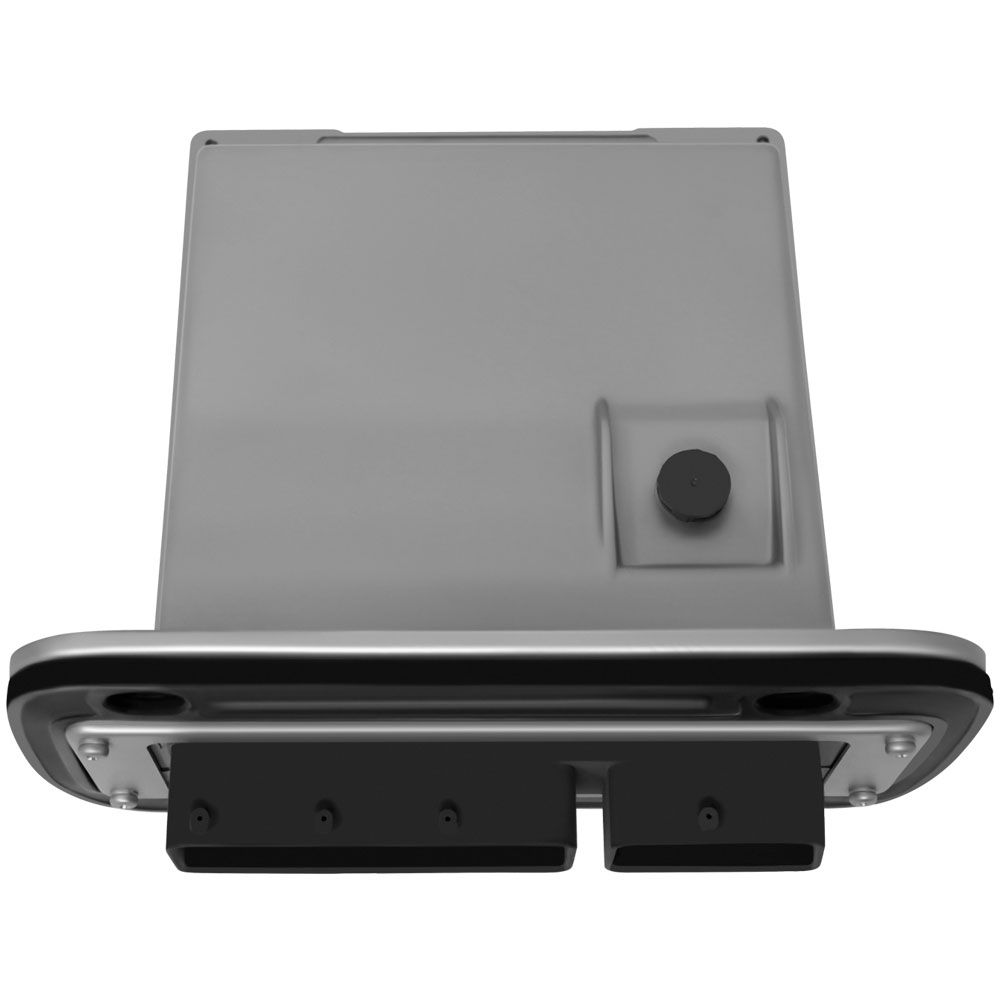
Flagship One stocks a refurbished, VIN-programmed PCM for the 2010 Toyota Sequoia with a lifetime warranty, free shipping and no core charge. The full Toyota Sequoia module lineup covers other engine configurations as well.
Addressing engine control module failures promptly ensures your 2010 Toyota Sequoia maintains its optimal performance and long-term reliability. Recognizing the common symptoms and understanding the necessary labor times prepares you for a straightforward repair process without unexpected delays or costs. When you are ready to resolve these frustrating drivability concerns, explore quality replacement options to restore your vehicle’s functionality efficiently and confidently.