
Last updated on August 25th, 2026 at 11:59 am
The powertrain control module (PCM) in a 2011 Toyota Sequoia 5.7L is the primary computer that governs engine and transmission operation. When it malfunctions, you may experience hard starting, erratic shifting, or a complete no-start condition.
A 2011 Toyota Sequoia that suddenly refuses to start, stalls without warning, or shifts erratically can leave you stranded and frustrated. When these symptoms appear, the root cause often traces back to the engine control module (ECM) or powertrain control module (PCM)—the central computers that orchestrate nearly every aspect of your 5.7L V8’s performance. These modules process data from dozens of sensors, adjusting fuel delivery, ignition timing, and transmission behavior in real time. Over years of heat cycling and vibration, internal circuit boards can develop microscopic cracks, capacitors may leak, and software corruption can occur. The result is a vehicle that behaves unpredictably, sometimes triggering a check engine light, other times going completely silent. Understanding what the PCM and ECM do, how they fail, and what a proper replacement entails puts you in a stronger position to make an informed repair decision. This article explains the role of these modules in your Sequoia, outlines the labor involved in swapping them, and clarifies why a pre-programmed replacement can save you a trip to the dealership. You will learn how to recognize failure symptoms, what the factory service procedures require, and how to avoid common pitfalls that lead to repeat failures.
2011 Toyota Sequoia 5.7L
OEM programmed ECM for your 2011 Toyota Sequoia 5.7L — plug & play, no dealer visit.
Free shipping · Lifetime warranty
The engine control module in the 2011 Toyota Sequoia 5.7L is a ruggedized computer that continuously monitors and adjusts engine operation. It reads signals from the crankshaft position sensor, camshaft sensors, mass airflow sensor, throttle position sensor, oxygen sensors, and numerous other inputs to calculate the ideal fuel injection quantity, spark timing, and camshaft phasing for the 3UR-FE V8. Simultaneously, the powertrain control module manages the AB60F six-speed automatic transmission, determining shift points based on load, speed, and driver demand. These two functions are often integrated into a single PCM housing on this model. When the module degrades, the precise coordination between engine and transmission falters. You may notice delayed or harsh gear changes, a loss of throttle response, or a crank-no-start condition where the engine turns over but never fires because the computer fails to command fuel delivery or ignition. Internal voltage regulation circuits can also fail, causing the module to lose communication with the immobilizer system, which then prevents starting altogether. Because the PCM stores the vehicle’s VIN and security key data, any replacement must be correctly configured to match your Sequoia. Many owners turn to replacement engine computers for the Sequoia that arrive pre-programmed, eliminating the need for a separate programming step at a dealership. Without a properly functioning module, even a mechanically sound engine cannot run, making this component as critical as the fuel pump or starter.
The powertrain control module on the 2011 Toyota Sequoia 5.7L is typically mounted in the engine compartment, often near the driver-side strut tower or firewall, where it connects to the main engine harness. Accessing the module requires removing the plastic engine cover and possibly the air intake duct to reach the mounting bracket. The book time for a powertrain control module remove and replace operation is 1.0 hour. If the technician is performing only an engine control module remove and replace, the labor guide also lists 1.0 hour. After the physical swap, the vehicle requires a relearn procedure to synchronize the new module with the immobilizer system and engine sensors. The factory labor time for a powertrain control module relearn is 0.5 hours, and for an engine control module relearn, it is also 0.5 hours. Additionally, an engine control module reset procedure is listed at 0.3 hours. These times reflect the steps needed to clear adaptive memory and establish baseline idle, fuel trim, and transmission shift parameters. The module connectors must be handled carefully to avoid bending pins, and the battery should be disconnected before starting the work to prevent electrical surges.
| Operation | Configuration | Book Time |
|---|---|---|
| Powertrain Control Module R&R | All configurations | 1.0 hr |
| Powertrain Control Module Relearn | All configurations | 0.5 hr |
| Engine Control Module Relearn | All configurations | 0.5 hr |
| Engine Control Module R&R | All configurations | 1.0 hr |
| Engine Control Module Reset | All configurations | 0.3 hr |
After a new engine control module is physically installed in a 2011 Toyota Sequoia, the factory service procedure requires a series of initialization and relearn processes. The technician must perform a security key registration so the module recognizes the vehicle’s immobilizer code, then execute an idle relearn and throttle position calibration. Transmission adaptive values also need to be reset and relearned through a specific drive cycle. These steps can add 0.5 hours of labor for a powertrain control module relearn or 0.3 hours for a basic engine control module reset, according to the book times. However, when you order a VIN-programmed replacement module from Flagship One, the unit arrives with your Sequoia’s specific VIN, immobilizer data, and base calibrations already loaded. This means the security handshake and initial programming are complete before the part reaches your doorstep. The remaining on-vehicle steps are typically limited to a simple idle relearn and clearing any stored diagnostic trouble codes, which many independent shops or experienced DIYers can handle without a Toyota scan tool.
A failing PCM or ECM in a 2011 Toyota Sequoia often produces symptoms that mimic other problems, making diagnosis challenging. Intermittent no-start conditions are common: the engine cranks strongly but never catches because the computer fails to trigger the fuel injectors or ignition coils. Stalling can occur at idle or while driving, sometimes accompanied by a sudden loss of throttle response. Transmission behavior may become erratic, with harsh or delayed shifts, failure to downshift when accelerating, or the transmission staying in a single gear. The check engine light may illuminate with communication error codes, or the light may not come on at all even when there is an obvious problem. In some cases, a scan tool cannot establish communication with the PCM, indicating a complete module failure. Other symptoms include the engine running excessively rich or lean, misfires on multiple cylinders, or the vehicle entering a fail-safe mode that limits speed and power. These issues can appear and disappear as the module’s internal connections expand and contract with temperature changes. Because the PCM controls the fuel pump relay, a no-start may also be accompanied by a silent fuel pump. When these symptoms surface without a clear mechanical cause, the module itself should be suspected.
If the vehicle starts and runs but exhibits drivability issues, a reprogram or software update may resolve the problem. However, if you have a no-start condition with no communication to the scan tool, or if internal PCM fault codes are present, the module hardware has likely failed and requires replacement. A professional diagnosis can distinguish between software corruption and physical damage.
A used module will not function without extensive reprogramming because it stores the original vehicle’s VIN and immobilizer data. The anti-theft system will prevent the engine from starting until the module is reset and matched to your keys. Even after programming, a used unit carries the same age and wear as your original, so it may fail again soon.
A relearn procedure typically involves teaching the module the vehicle’s idle characteristics, throttle range, and transmission shift patterns after a replacement. A reset simply clears adaptive memory and learned fuel trims. The labor guide lists 0.5 hours for a powertrain control module relearn and 0.3 hours for an engine control module reset.
The physical swap is straightforward and the book time is 1.0 hour, but the module must be programmed with your VIN and immobilizer code before the vehicle will start. If you purchase a pre-programmed unit, the remaining steps are minimal and can be done at home with basic tools. Without pre-programming, you will need a Toyota-compatible scan tool and security access.
Intermittent stalling is a classic sign of a failing PCM. Heat expansion can temporarily reconnect cracked solder joints inside the module, allowing it to work until it cools or vibrates again. This pattern often worsens over time until the module fails completely. A thorough diagnostic should rule out fuel delivery and ignition components before condemning the computer.
Repairing a failed PCM is rarely practical due to the complexity of surface-mount circuit boards and proprietary software. A refurbished replacement that has been thoroughly tested and pre-programmed to your 2011 Toyota Sequoia’s VIN offers a reliable, plug-and-play alternative. This approach restores factory performance without the expense and delay of a dealership service visit, and it comes with the assurance that the unit has been updated to address known failure points.
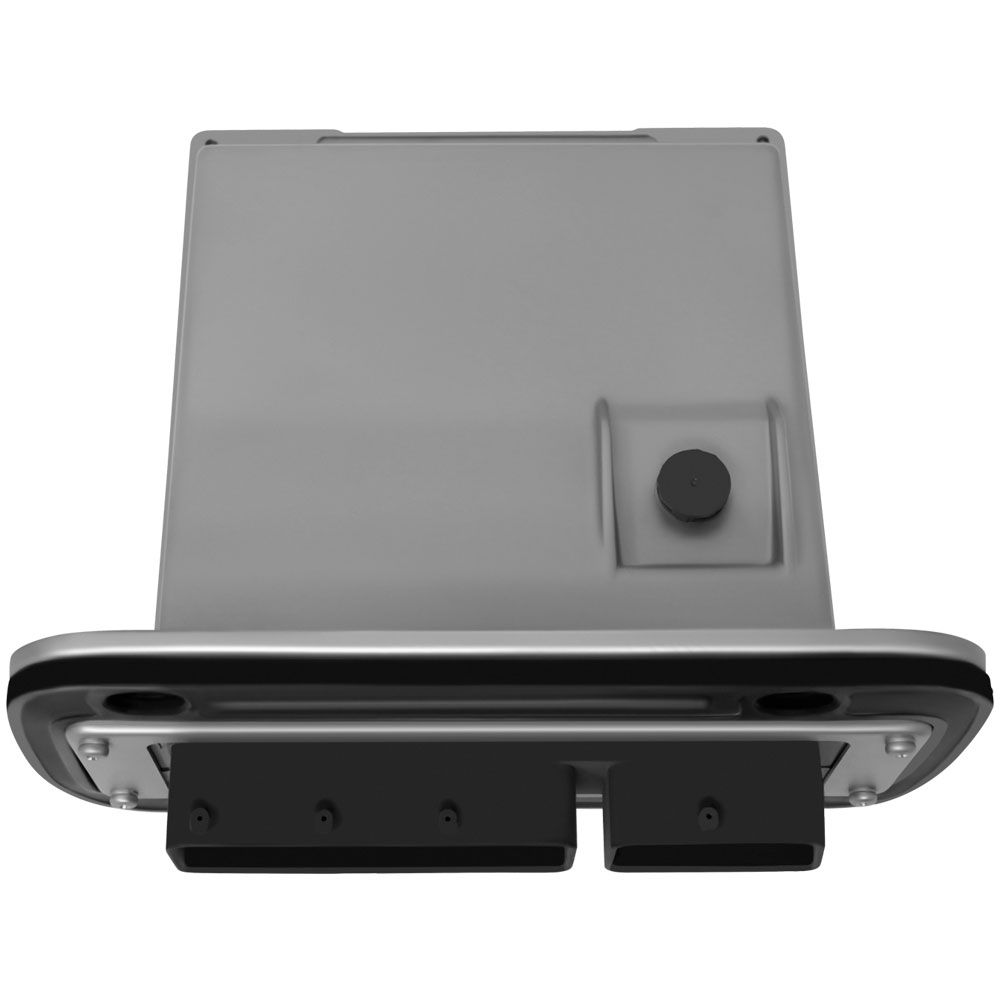
Flagship One stocks a refurbished, VIN-programmed PCM for the 2011 Toyota Sequoia with a lifetime warranty, free shipping and no core charge. The full Toyota Sequoia module lineup covers other engine configurations as well.
The engine and powertrain control modules in a 2011 Toyota Sequoia 5.7L are the nerve centers of your vehicle’s performance. Recognizing the signs of failure early can prevent being stranded and avoid unnecessary parts swapping. When replacement becomes necessary, a VIN-programmed unit streamlines the process and gets your Sequoia back on the road with minimal downtime.