
Last updated on August 25th, 2026 at 12:02 pm
The powertrain control module (PCM) and engine control module (ECM) in your 2005 Toyota Tundra manage fuel, ignition, and emissions systems. Failure may cause hard starts, stalling, or poor drivability, often triggered by electrical faults or internal corruption.
If your 2005 Toyota Tundra suddenly refuses to start, stalls unexpectedly, or throws cryptic engine codes, the powertrain control module (PCM) or engine control module (ECM) may be at fault. These components act as the brain of your vehicle’s engine and transmission, regulating fuel delivery, ignition timing, and emissions systems. When they fail, the symptoms can range from subtle drivability issues to complete immobilization. Understanding how these modules function, where they’re located, and what replacement involves can save you time and frustration. This guide explains the role of the PCM and ECM in your Tundra, outlines the labor required for replacement, and details the programming steps needed to restore proper operation. You’ll also learn how to recognize failure symptoms early and take steps to protect these critical components from future damage.
2005 Toyota Tundra
OEM programmed replacements — plug & play, no dealer visit.
Find yours by year, make & model →
Free shipping · Lifetime warranty
The powertrain control module (PCM) and engine control module (ECM) in your 2005 Toyota Tundra work together to ensure smooth engine performance and efficient transmission operation. The PCM oversees fuel injection, ignition timing, and emissions controls, while the ECM focuses specifically on engine management, including idle speed and throttle response. These modules constantly monitor sensor inputs—like oxygen levels, engine temperature, and throttle position—to adjust fuel mixtures and ignition timing in real time. Without them, your Tundra’s 4.0L V6 engine would struggle to run efficiently or even start. Over time, electrical surges, corrosion, or internal wear may cause the modules to fail, leading to symptoms like rough idling, poor acceleration, or a complete no-start condition. Replacing a faulty module with replacement engine computers for the Tundra ensures your vehicle regains its original performance and reliability. Proper installation and programming are critical, as incorrect procedures can leave the system nonfunctional or trigger additional issues.
In the 2005 Toyota Tundra, the PCM and ECM are located in the engine bay, typically mounted near the firewall or on the passenger side inner fender. Accessing the modules requires removing the plastic engine cover and possibly disconnecting nearby wiring harnesses or air intake components. The replacement process involves unplugging the electrical connectors, removing the mounting bolts, and carefully extracting the module. Reinstallation follows the reverse steps, ensuring all connectors are securely fastened and the module is properly seated. According to factory labor estimates, removing and replacing either the PCM or ECM takes approximately 0.5 hours. No specialized tools are required beyond basic hand tools, but care must be taken to avoid damaging the connectors or mounting points during the process.
| Operation | Configuration | Book Time |
|---|---|---|
| Powertrain Control Module R&R | All configurations | 0.5 hr |
| Powertrain Control Module Relearn | All configurations | 0.5 hr |
| Engine Control Module Relearn | All configurations | 0.5 hr |
| Engine Control Module R&R | All configurations | 0.5 hr |
After installing a new PCM or ECM in your 2005 Toyota Tundra, a factory relearn procedure is required to synchronize the module with the vehicle’s systems. This process, which typically takes 0.5 hours, involves using a scan tool to reset adaptive values, calibrate throttle position, and ensure proper communication with the transmission and emissions systems. Without this step, the engine may run poorly, shift erratically, or fail to start. Flagship One replacement units arrive pre-programmed to your VIN, eliminating the need for additional programming. This means you can install the module and immediately return to driving, without scheduling a separate dealership visit for calibration. The pre-programming ensures all vehicle-specific settings, such as fuel trim and idle parameters, are already configured, reducing the risk of post-installation issues.
When the PCM or ECM in your 2005 Toyota Tundra begins to fail, you may notice a range of symptoms that can worsen over time. One of the most common signs is a no-start condition, where the engine cranks but refuses to fire. Stalling at idle or during acceleration is another frequent issue, often accompanied by rough idling or hesitation under load. Misfire codes, such as internal control module memory check sum error, may appear on your scan tool, indicating the module is unable to process sensor data correctly. Other symptoms include poor fuel economy, erratic shifting in the automatic transmission, or the check engine light illuminating without an obvious cause. In some cases, the vehicle may enter a “limp mode,” limiting engine power to prevent further damage. If you experience any of these issues, it’s important to diagnose the problem promptly, as prolonged operation with a faulty module can lead to additional complications, such as catalytic converter damage or transmission stress.
Stalling after a PCM replacement often indicates a failed relearn procedure or an incorrect module calibration. The vehicle’s systems need to recalibrate throttle position, idle speed, and fuel trims to match the new module. If the relearn isn’t performed, the engine may run poorly or stall. Using a pre-programmed unit can eliminate this issue.
Driving with a faulty PCM or ECM is not recommended. While the vehicle may run temporarily, it can lead to poor performance, increased emissions, or even a no-start condition. Prolonged operation may also cause damage to other components, such as the catalytic converter or transmission, due to incorrect fuel or shift patterns.
Diagnosing a bad PCM versus a wiring issue requires a thorough inspection. Start by checking for corrosion, loose connections, or damaged wires at the PCM connector. Use a multimeter to test for proper voltage and ground signals. If the wiring checks out, a scan tool can help identify internal module faults, such as memory errors or communication failures.
While the factory procedure requires a scan tool for relearn steps, you can avoid this by using a pre-programmed replacement unit. These units arrive configured to your VIN, eliminating the need for additional programming or a dealership visit. This saves time and ensures the module is ready for immediate installation.
PCM or ECM failure in the 2005 Tundra is often caused by electrical issues, such as voltage spikes, corrosion, or poor grounding. Internal wear, moisture intrusion, or prolonged exposure to heat can also degrade the module over time. Addressing electrical system problems promptly can help extend the life of these components.
If your 2005 Toyota Tundra is experiencing PCM or ECM-related issues, you have options for repair or replacement. While a dealership may offer a new module, the cost and programming requirements can be prohibitive. A refurbished replacement unit, pre-programmed to your VIN, provides a reliable and cost-effective alternative. This approach eliminates the need for additional programming and ensures your vehicle returns to optimal performance quickly.
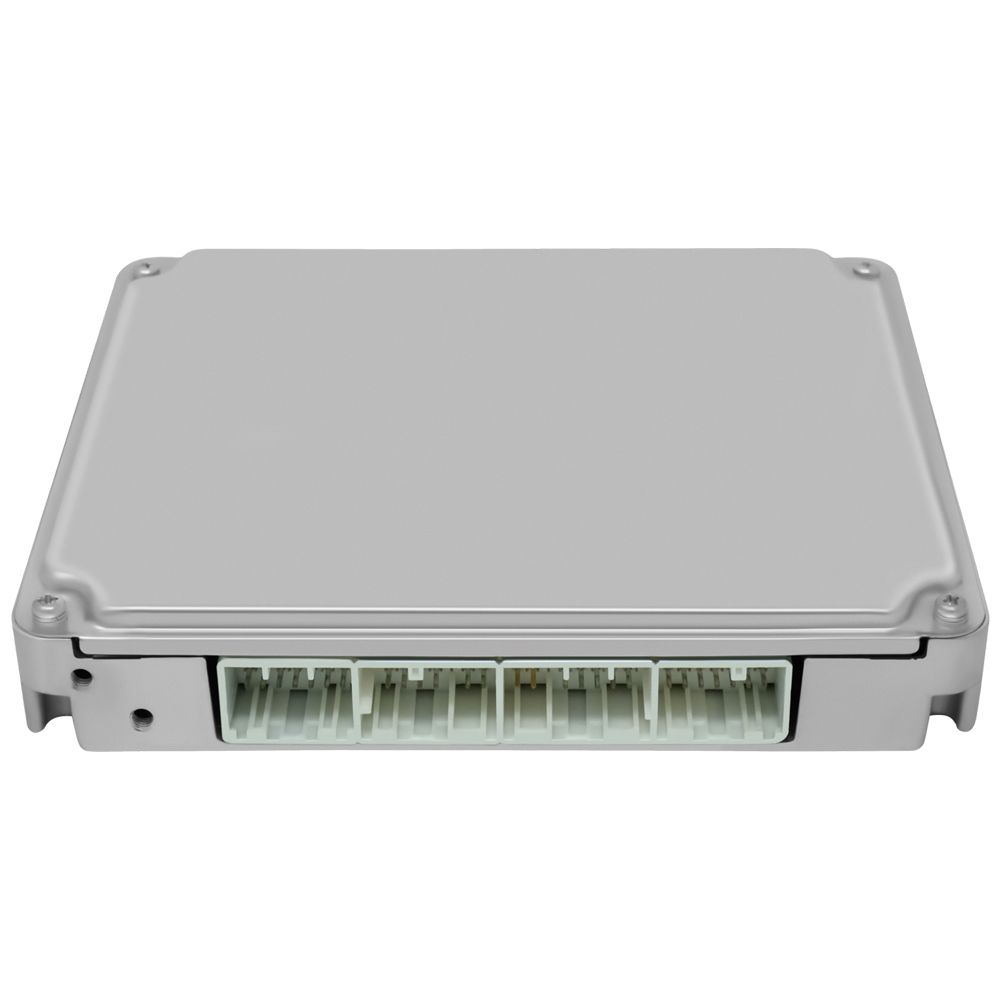
Flagship One stocks a refurbished, VIN-programmed PCM for the 2005 Toyota Tundra with a lifetime warranty, free shipping and no core charge. The full Toyota Tundra module lineup covers other engine configurations as well.
The PCM and ECM are vital to your 2005 Toyota Tundra’s performance, managing everything from fuel delivery to transmission shifts. Recognizing the symptoms of failure early and understanding the replacement process can help you avoid costly repairs and downtime. Whether you opt for a dealership solution or a pre-programmed replacement unit, ensuring proper installation and programming is key to restoring your vehicle’s reliability. With the right approach, your Tundra can continue to deliver the dependable performance you expect.