
Last updated on August 25th, 2026 at 12:02 pm
The powertrain control module (PCM) or engine control module (ECM) in your 2006 Toyota Tundra manages fuel, ignition, and emissions systems. Failures may cause drivability issues, warning lights, or failure to start.
If your 2006 Toyota Tundra struggles to start, stalls unexpectedly, or triggers warning lights, the powertrain control module (PCM) or engine control module (ECM) may be at fault. This critical component oversees fuel delivery, ignition timing, and emissions controls. Replacing it involves more than just swapping hardware—proper programming ensures your vehicle meets state emissions standards and runs reliably. Understanding the process, labor time, and post-install requirements helps you make informed decisions about repairs or replacements.
In your 2006 Toyota Tundra, the PCM/ECM acts as the brain for engine and transmission operations. It processes sensor data to optimize fuel injection, spark timing, and emissions controls, directly impacting performance and efficiency. A malfunctioning module may disrupt these functions, leading to poor drivability or even a no-start condition. When replacement is necessary, replacement engine computers for the Tundra are available to restore proper operation, but programming is essential to ensure compatibility with your vehicle’s systems.
2006 Toyota Tundra
OEM programmed ECM for your 2006 Toyota Tundra — plug & play, no dealer visit.
Free shipping · Lifetime warranty
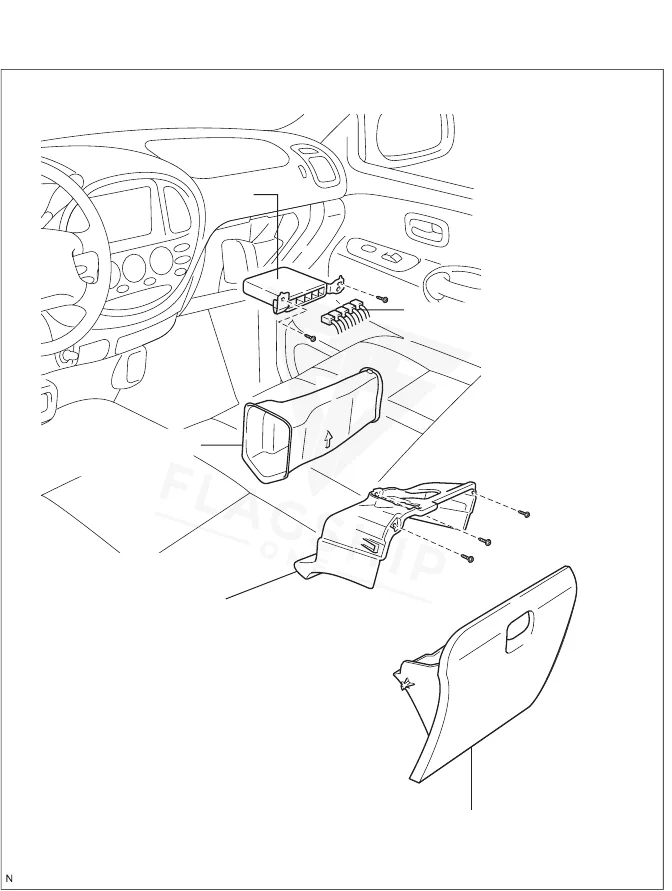
The PCM/ECM in your 2006 Toyota Tundra is located behind the glove compartment. To access it, technicians typically remove the glove compartment door sub-assembly and the instrument panel finish panel. Labor time for removal and reinstallation (R&R) is 0.5 hours, with an additional 0.5 hours allocated for the relearn procedure. No specialized tools are required beyond standard hand tools, but care must be taken to avoid damaging surrounding trim or electrical connectors during removal.
| Operation | Configuration | Book Time |
|---|---|---|
| Engine Control Module Relearn | All configurations | 0.5 hr |
| Engine Control Module R&R | All configurations | 0.5 hr |
| Powertrain Control Module R&R | All configurations | 0.5 hr |
| Powertrain Control Module Relearn | All configurations | 0.5 hr |
After installing a new PCM/ECM in your 2006 Toyota Tundra, the vehicle identification number (VIN) must be written to the module to ensure proper operation and emissions compliance. The factory procedure requires using a diagnostic tester to input the VIN according to on-screen prompts. However, a VIN-programmed replacement unit from Flagship One arrives pre-configured, eliminating the need for this step and reducing the risk of programming errors during installation.
A failing PCM/ECM in your 2006 Toyota Tundra may cause a range of symptoms, including intermittent stalling, rough idle, or a complete no-start condition. You might also notice warning lights on the dashboard or poor transmission shifting. Scan tools may fail to communicate with the module, or you may see internal fault codes like control module processor fault. These issues often worsen over time, so addressing them promptly can prevent further drivability problems.
The following trouble codes are documented for internal failures of the PCM/ECM in the 2006 Toyota Tundra. These codes typically indicate hardware or software issues within the module itself.
Factory service bulletins for the 2006 Toyota Tundra emphasize the importance of correctly programming the VIN into the PCM/ECM. Updates in June 2005 expanded coverage to include 2004 and 2006 model years, with specific instructions for the Highlander HV added to the VIN write procedure. Failing to input the VIN may result in emissions test failures or diagnostic trouble codes, so following the factory procedure is critical for proper module function.
The VIN ensures the module communicates correctly with your vehicle’s systems and meets emissions standards. Without it, the module may not function properly, leading to drivability issues or failed inspections. Factory procedures require this step after replacement.
Removal and reinstallation typically take 0.5 hours, with an additional 0.5 hours for the relearn procedure. Labor times may vary slightly depending on technician experience and shop rates.
Driving with a faulty module may cause stalling, poor performance, or a no-start condition. It can also lead to emissions test failures or further damage to other components, so prompt replacement is recommended.
If your 2006 Toyota Tundra requires a new PCM/ECM, you have options. A dealership may offer a new module with factory programming, while aftermarket suppliers provide cost-effective alternatives. Flagship One units arrive pre-programmed with your VIN, simplifying installation and ensuring compliance with emissions standards.
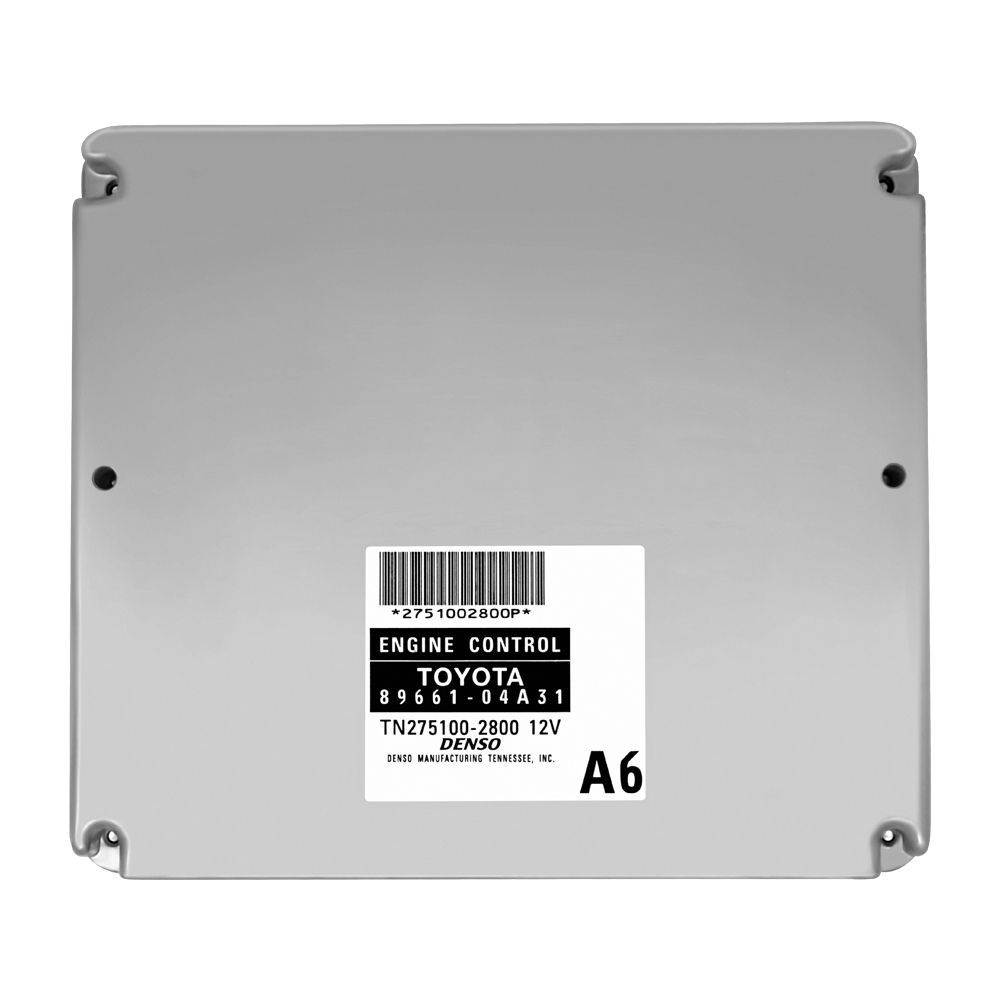
Flagship One stocks a refurbished, VIN-programmed PCM for the 2006 Toyota Tundra with a lifetime warranty, free shipping and no core charge. The full Toyota Tundra module lineup covers other engine configurations as well.
The PCM/ECM in your 2006 Toyota Tundra plays a vital role in engine and emissions performance. If you’re experiencing drivability issues or warning lights, a replacement module may be necessary. Understanding the process, labor time, and programming requirements helps you make the best choice for your vehicle’s reliability and compliance.