
Last updated on August 25th, 2026 at 12:05 pm
The engine control module in your 2001 Toyota Celica GT is the onboard computer that regulates fuel injection, ignition timing, and emissions systems. When it fails, you may experience erratic idling, poor acceleration, or a complete no-start condition due to disrupted sensor communication.
If your 2001 Toyota Celica GT has been hesitating at stops, stalling unexpectedly, or refusing to start, the engine control module may be the culprit. This small but critical computer oversees nearly every aspect of engine performance, from fuel delivery to spark timing. When it malfunctions, symptoms can range from subtle drivability issues to complete engine shutdown. Understanding how this module functions in your Celica—and what replacement involves—can help you make informed decisions about repairs. Whether you’re dealing with a sudden failure or planning ahead, knowing the labor requirements, programming steps, and common warning signs will prepare you for a smoother process. This guide covers what the module does, where it’s located, and how to restore reliable operation without unnecessary guesswork.
The engine control module in your 2001 Toyota Celica GT acts as the brain of the engine, interpreting signals from sensors to optimize performance. It adjusts fuel injection timing, controls ignition spark, and ensures emissions systems operate within specifications. Without it, your vehicle may struggle to maintain idle, lose power during acceleration, or fail to start altogether. The module also stores diagnostic trouble codes when issues arise, helping technicians pinpoint problems quickly. Over time, electrical stress or environmental factors can degrade its performance, leading to intermittent or permanent failures. When replacement becomes necessary, replacement engine computers for the Celica are available to restore factory-level functionality, but proper installation and programming are essential to avoid recurring issues.
2001 Toyota Celica GT: When the
OEM programmed replacements — plug & play, no dealer visit.
Find yours by year, make & model →
Free shipping · Lifetime warranty
In the 2001 Toyota Celica GT, the engine control module is mounted behind the dashboard on the passenger side, near the glove box. Accessing it requires removing the lower dashboard panel and disconnecting the wiring harness. The module is secured with a single bolt, and care must be taken to avoid damaging the connector pins during removal. Reinstallation follows the reverse process, with the new module seated firmly before reconnecting the harness. Labor estimates for replacement typically range around 0.6 hours, though additional time may be needed if corrosion or damaged connectors require attention. Proper torque on the mounting bolt ensures the module remains securely in place during normal driving conditions.
| Operation | Configuration | Book Time |
|---|---|---|
| Engine Control Module Relearn | All configurations | 0.5 hr |
| Engine Control Module R&R | All configurations | 0.6 hr |
| Powertrain Control Module R&R | All configurations | 0.6 hr |
| Powertrain Control Module Relearn | All configurations | 0.5 hr |
After installing a new engine control module in your 2001 Toyota Celica GT, the factory procedure requires a reprogramming process to synchronize the unit with your vehicle’s specific VIN and calibration data. This step ensures the module communicates correctly with the engine’s sensors and other onboard systems. Without reprogramming, you may encounter drivability issues, warning lights, or even a no-start condition. Flagship One replacement units arrive as a VIN-programmed replacement unit, eliminating the need for this additional step. This means your vehicle can be back on the road immediately after installation, without waiting for a dealership or specialist to complete the programming. Always verify that the replacement module matches your Celica’s exact model year and engine configuration to avoid compatibility issues.
When the engine control module in your 2001 Toyota Celica GT begins to fail, symptoms often appear gradually before becoming more pronounced. You may notice the engine stalling at idle, especially when coming to a stop, or experiencing rough acceleration as the module struggles to adjust fuel and spark timing. Warning lights on the dashboard, such as the check engine light, are common, and scanning for codes may reveal faults like internal control module memory checksum error. In some cases, the vehicle may fail to start altogether, or the engine may crank but not fire due to incorrect sensor readings. Poor fuel economy and erratic shifting in automatic transmissions can also occur if the module’s communication with the powertrain control system is disrupted. Since these symptoms can mimic other issues, such as fuel pump or ignition system failures, proper diagnosis is key to avoiding unnecessary repairs.
Toyota has issued service bulletins outlining the reprogramming procedures for the engine control module in the 2001 Celica GT. Bulletin #SS002-01 covers the revised ECU flash reprogramming process for 2001 and later applicable models, while #SS002-07 details the Techstream ECU flash reprogramming procedure for 2001–2008 Toyota vehicles. These bulletins provide technicians with the steps needed to update or replace the module’s software, ensuring compatibility with the vehicle’s systems. Following these procedures is critical after installing a new module to prevent drivability issues or warning lights.
| Bulletin | Subject | What It Addresses |
|---|---|---|
| SS002-01 | :SS002-01: 2001 & Later Applicable Models: ECU Flash Reprogramming Process (Revised) | — |
| SS002-07 | :SS002-07: 01-08 Applicable Toyota: Techstream ECU Flash Reprogramming Procedure | — |
Stalling at idle is often caused by the engine control module failing to adjust fuel or spark timing correctly. This can happen if the module is receiving incorrect sensor data or if its internal memory is corrupted. A diagnostic scan can help determine whether the module or another component, like the idle air control valve, is at fault.
While the vehicle may still run intermittently, driving with a failing module risks sudden stalling or a no-start condition. Ignoring the issue can also lead to poor fuel economy, increased emissions, or damage to other engine components due to incorrect sensor readings.
Common signs include persistent warning lights, rough idling, stalling, or a no-start condition. A diagnostic scan revealing module-related trouble codes, such as P0601, often confirms the issue. If the module fails to communicate with a scan tool, replacement is typically the next step.
In the 2001 Toyota Celica GT, the terms are often used interchangeably, as the same unit manages both engine and transmission functions. However, some vehicles separate these roles, with the engine control module focusing on fuel and ignition while the powertrain control module handles transmission shifting. In your Celica, the module performs both tasks.
Factory reprogramming is required after replacement to ensure the module syncs with your vehicle’s VIN and calibration data. However, Flagship One units arrive pre-programmed, eliminating the need for this step. This allows for immediate installation and reduces downtime compared to dealership visits.
If your 2001 Toyota Celica GT is experiencing symptoms of a failing engine control module, you have options for restoration. A refurbished or new replacement unit can restore reliable performance, especially when pre-programmed to your vehicle’s specifications. Given the labor time involved, choosing a unit that eliminates additional programming steps can save time and reduce the risk of post-installation issues. Consider whether your situation calls for a straightforward replacement or if further diagnostics are needed to rule out related problems.
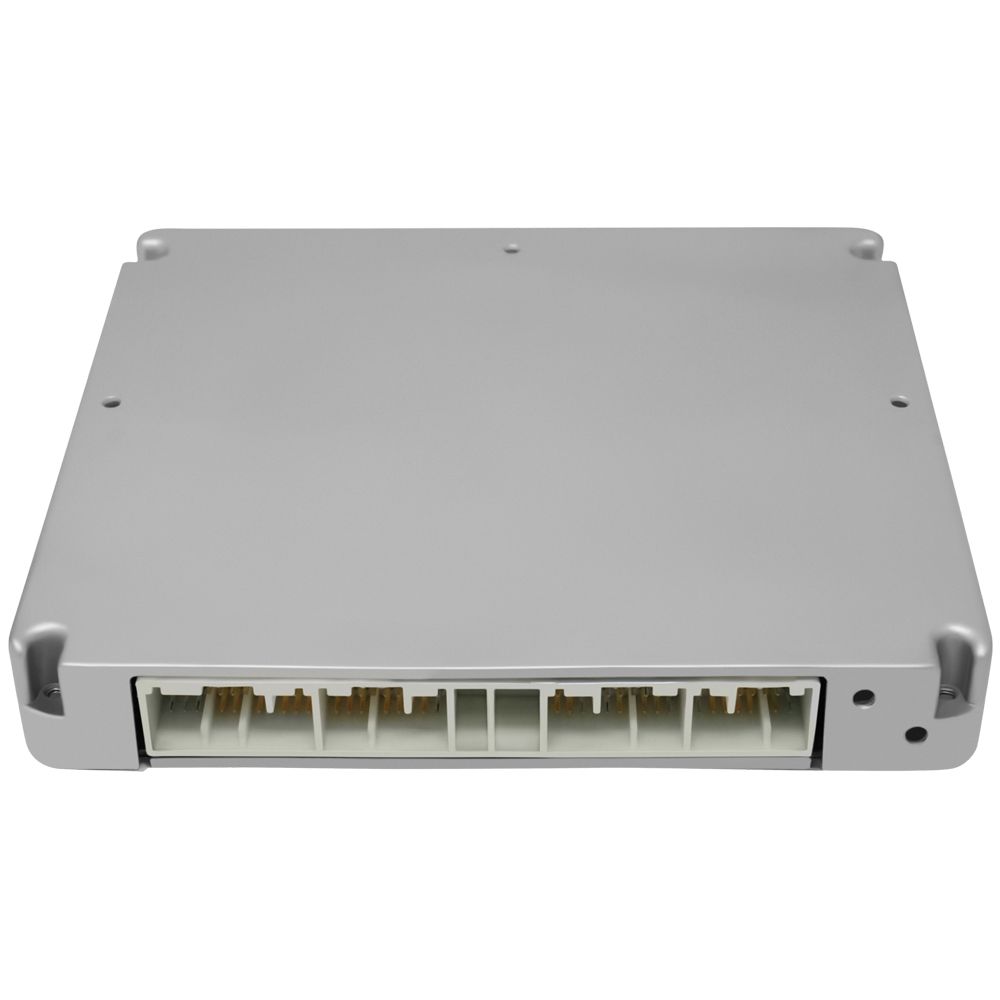
Flagship One stocks a refurbished, VIN-programmed PCM for the 2001 Toyota Celica GT with a lifetime warranty, free shipping and no core charge. The full Toyota Celica GT module lineup covers other engine configurations as well.
The engine control module in your 2001 Toyota Celica GT plays a critical role in maintaining smooth and efficient operation. When it fails, addressing the issue promptly can prevent further complications and restore your vehicle’s reliability. Whether you opt for a replacement unit or explore diagnostic steps first, understanding the module’s function and installation requirements will help you make informed decisions. With the right approach, your Celica can continue to deliver the performance and dependability you expect.