
Last updated on August 25th, 2026 at 12:04 pm
The engine control module in your 2003 Toyota Celica GT manages fuel injection, ignition timing, and emissions systems. Heat cycles and voltage spikes gradually degrade internal solder connections or circuit boards, often causing intermittent no-start conditions, erratic idle, or complete communication failure with diagnostic scanners.
When the 2003 Toyota Celica GT begins acting unpredictably, many owners initially suspect sensors or ignition components. Yet the root cause often lies within the powertrain control module, the computer that coordinates fuel delivery, spark timing, and transmission shifting. Understanding how this module functions and fails helps you avoid unnecessary parts replacement and repeated trips to the shop. This guide explains what the computer actually controls in your specific vehicle, why these units sometimes fail after years of heat cycling, and what steps professional technicians follow during replacement. You will learn the exact labor times involved, the factory programming requirements that apply to this model year, and how to recognize symptoms that point toward module failure rather than mechanical issues. Whether you are troubleshooting a no-start condition or planning a replacement, the information here provides the technical foundation needed to discuss repairs intelligently with your mechanic. By the end, you will understand why simply swapping hardware is rarely enough, and why proper calibration ensures your Celica returns to factory performance levels.
The powertrain control module in your 2003 Toyota Celica GT serves as the central processing unit for both engine management and automatic transmission operation. This integrated computer continuously monitors data streams from oxygen sensors, throttle position sensors, crankshaft and camshaft position sensors, plus various temperature and pressure inputs scattered throughout the engine bay. Based on these real-time readings, it calculates precise fuel injection pulses, ignition advance angles, and shift points for the automatic transmission if your vehicle is so equipped. The module also controls evaporative emissions systems, maintains target idle speed through the electronic throttle body, and manages cooling fan operation while storing adaptive fuel trim values that gradually optimize performance as internal engine components naturally wear over high mileage.
Unlike earlier Toyota vehicles that utilized separate engine and transmission computers, your Celica GT employs a unified control strategy that demands precise calibration. When internal circuit boards gradually degrade from years of thermal cycling or occasional voltage fluctuations, the module may begin misinterpreting sensor data or fail to properly ground critical control circuits. This deterioration often manifests as intermittent stalling at traffic lights, hard starting when the engine reaches operating temperature, or transmission harshness that initially seems mechanical but actually originates from software corruption or failing hardware components within the sealed case. Replacing the module requires not just careful physical installation but also ensuring the replacement contains the correct factory calibration for your specific vehicle configuration and emissions package. When sourcing replacement engine computers for the Celica, always verify the unit matches your exact VIN and equipment group to ensure seamless compatibility with the 1.8L engine and your specific transmission calibration.
2003 Toyota Celica GT
OEM programmed ECM for your 2003 Toyota Celica GT — plug & play, no dealer visit.
Free shipping · Lifetime warranty
Professional repair facilities reference standardized labor guides when estimating module replacement for your 2003 Toyota Celica GT. The database lists powertrain control module removal and replacement at 0.6 hours, reflecting the time required for a technician to disconnect the electrical harness, unfasten the mounting hardware, transfer any necessary components, and install the replacement unit. Engine control module removal and replacement carries an identical 0.6 hour allocation. These figures assume normal working conditions without corrosion or seized fasteners that might extend the process. Additionally, the guides specify 0.5 hours for powertrain control module relearn procedures and 0.5 hours for engine control module relearn procedures. These separate time allowances cover the initialization sequences where the computer learns idle parameters and transmission shift patterns. When calculating total shop time, technicians typically itemize these operations separately since diagnostic equipment remains connected during the relearn phase. Understanding these specific time allocations helps you evaluate service estimates and recognize that while the physical swap may seem straightforward, the subsequent calibration requires dedicated attention to factory specifications.
| Operation | Configuration | Book Time |
|---|---|---|
| Engine Control Module Relearn | All configurations | 0.5 hr |
| Engine Control Module R&R | All configurations | 0.6 hr |
| Powertrain Control Module R&R | All configurations | 0.6 hr |
| Powertrain Control Module Relearn | All configurations | 0.5 hr |
Toyota service procedures require specific initialization after installing new control modules in the 2003 Celica GT. Factory guidelines allocate 0.5 hours for powertrain control module relearn procedures and 0.5 hours for engine control module relearn procedures. These processes involve establishing communication between the new computer and existing vehicle systems, allowing the module to learn baseline idle characteristics and transmission shift patterns. Technicians typically use factory scan tools to complete these sequences, monitoring for successful code clearing and readiness monitor completion. However, when you receive a VIN-programmed replacement unit, these initialization procedures have already been completed at the manufacturing stage. The module arrives containing your specific vehicle calibration, immobilizer codes, and software matching the 2003 Celica GT configuration. This preparation eliminates the need for the 0.5 hour relearn sessions normally required after installation. You simply perform the physical installation, clear any residual codes, and start the vehicle. The computer immediately recognizes the engine parameters and transmission type without extended initialization drives or dealer programming appointments.
Module failure in the 2003 Toyota Celica GT typically progresses through recognizable stages before complete failure occurs. Initially, you may notice intermittent stalling when approaching stops or difficulty restarting after short trips while the engine remains warm. These episodes often worsen as internal solder joints weaken from thermal expansion cycles. Communication failures represent another hallmark symptom, where professional scan tools cannot establish connection with the powertrain control module despite functioning normally with other vehicle systems. This diagnostic silence frequently accompanies no-start conditions where the starter cranks vigorously but ignition spark or fuel injection remains absent.
Transmission behavior changes also signal impending module issues. The automatic transmission may exhibit harsh shifts, delayed engagement when selecting drive or reverse, or unexpected downshifts during steady cruising. These symptoms mimic mechanical wear but actually stem from corrupted shift logic or failing output drivers within the computer. Misfire codes may set intermittently without accompanying engine performance issues, suggesting the module is misinterpreting crankshaft position sensor data. Check engine lights may illuminate continuously or flash randomly, sometimes storing codes for oxygen sensor heaters or evaporative emissions components that test fine during individual circuit testing. Voltage fluctuations affecting the charging system sometimes precede these symptoms, as the module struggles to maintain consistent internal reference signals. When these patterns appear together, especially communication errors combined with drivability concerns, the root cause likely resides within the control module rather than individual sensors or wiring harness damage.
Toyota issued technical service bulletin SS002-01 covering ECU flash reprogramming processes for 2001 and later applicable models including the Celica GT. This bulletin outlines revised procedures for updating control module software when addressing drivability concerns or emission system updates. Additionally, bulletin SS002-07 applies to 2001 through 2008 Toyota vehicles, detailing Techstream ECU flash reprogramming procedures specific to this era of engine management systems. These bulletins guide technicians through proper voltage stabilization requirements and communication protocols necessary for successful reprogramming events without damaging the internal memory.
| Bulletin | Subject | What It Addresses |
|---|---|---|
| SS002-01 | :SS002-01: 2001 & Later Applicable Models: ECU Flash Reprogramming Process (Revised) | — |
| SS002-07 | :SS002-07: 01-08 Applicable Toyota: Techstream ECU Flash Reprogramming Procedure | — |
Heat cycling and voltage fluctuations gradually degrade internal solder joints and circuit boards. Thermal expansion stresses connections over years of operation, while charging system spikes may damage sensitive microprocessors. These factors typically produce intermittent symptoms before complete failure occurs.
Labor guides allocate 0.6 hours for physical removal and replacement of either the engine control module or powertrain control module. Additional time is required for the 0.5 hour relearn procedure unless you install a pre-programmed unit that arrives ready for immediate operation.
You may experience intermittent stalling or shifting problems that could leave you stranded. While the vehicle might operate briefly, continued operation risks complete failure without warning. Addressing symptoms promptly prevents roadside breakdowns and potential safety hazards.
Factory procedures normally require 0.5 hours of relearn time using specialized equipment. However, units that arrive pre-configured with your VIN-specific calibration eliminate this requirement, allowing immediate operation after physical installation and basic code clearing.
Toyota integrated these functions into a single unit for this model year, managing both engine operations and transmission shifting through one computer. The terminology varies based on specific diagnostic contexts, but both refer to the same physical module located within your vehicle.
Repair shops often face delays waiting for dealership programming appointments, while used modules from salvage yards may lack the correct calibration for your specific 2003 Toyota Celica GT configuration. Refurbished replacements offer an alternative that combines tested hardware with proper software preparation, eliminating the uncertainty of unknown part histories. Consider whether immediate installation convenience outweighs the potential complications of sourcing unverified components.
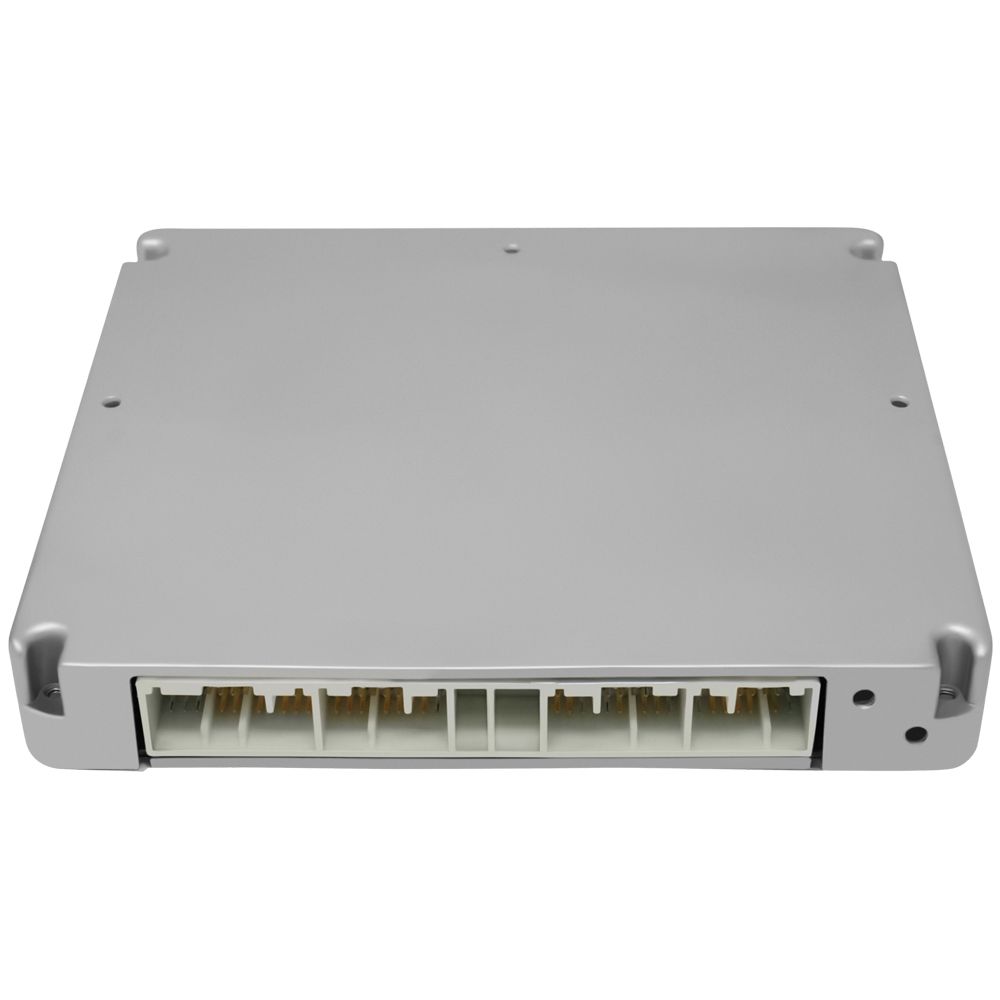
Flagship One stocks a refurbished, VIN-programmed PCM for the 2003 Toyota Celica GT with a lifetime warranty, free shipping and no core charge. The full Toyota Celica GT module lineup covers other engine configurations as well.
Understanding your 2003 Toyota Celica GT powertrain control module helps you make informed decisions when drivability issues arise. With proper diagnosis and correctly programmed replacement components, you restore factory performance without unnecessary delays or repeated shop visits. Recognizing the symptoms early and choosing components that arrive ready for installation ensures your Celica returns to reliable operation quickly. Consult with qualified technicians to confirm module failure before replacing hardware, then select replacement options that match your specific vehicle configuration for optimal results.