
Last updated on August 25th, 2026 at 12:05 pm
The engine control module in a 2000 Toyota Celica GT manages fuel delivery and ignition timing. When this computer fails, the vehicle often experiences poor idling, erratic shifting, or a total failure to start due to incorrect electronic signals.
When your 2000 Toyota Celica GT begins to exhibit unpredictable engine behavior, the root cause is often found within the engine control module. This electronic component acts as the primary coordinator for the 1.8L engine, managing everything from the precise timing of the spark plugs to the volume of fuel delivered to the cylinders. Because it relies on a complex network of sensors and electrical currents, the module is susceptible to failure over time due to heat, vibration, or electrical spikes.
Understanding the role of this computer is essential for any owner or technician attempting to restore the vehicle to its peak operating condition. In this guide, you will find detailed information regarding the symptoms of module failure, the physical installation process, and the programming requirements necessary for a successful repair. By the end of this overview, you will have a clear understanding of how the engine control module affects your vehicle’s drivability and what steps are required to ensure a replacement unit is installed and configured correctly for long-term reliability.
The engine control module serves as the central processing unit for the 2000 Toyota Celica GT. It constantly monitors data from various sensors to optimize the performance of the 1.8L engine. By adjusting the timing of the spark and the amount of fuel injected into the cylinders, this computer ensures the vehicle runs efficiently across different driving conditions. It manages critical functions such as idling speed, acceleration, and emissions control. When you install 2000 Toyota Celica GT replacement modules into the system, you are essentially replacing the brain that coordinates the mechanical components of the powertrain.
Without a functioning module, the engine cannot communicate with the ignition system or the fuel injectors. This leads to a complete loss of power or an inability to start the vehicle. The module also tracks diagnostic data, allowing technicians to identify failures in other engine components. Because it handles such a wide array of tasks, any internal circuit failure or software corruption can lead to erratic vehicle behavior. Maintaining the integrity of this computer is vital for the longevity of the powertrain, as incorrect fuel mixtures or ignition timing can cause physical wear on the engine internals over time. The module ensures that the vehicle meets environmental standards while providing the expected power delivery for the GT trim. It also interacts with the transmission to ensure smooth gear transitions, preventing harsh shifts that could damage the drivetrain.
2000 Toyota Celica GT
OEM programmed ECM for your 2000 Toyota Celica GT — plug & play, no dealer visit.
Free shipping · Lifetime warranty
The engine control module in the 2000 Toyota Celica GT is located in a position that allows for relatively straightforward access, though precision is required during handling. The process of removing and installing the engine control module is listed at 0.6 hours of labor. Similarly, the removal and installation of the powertrain control module is also estimated at 0.6 hours.
Replacing these units involves disconnecting the battery to prevent electrical surges and then unplugging the wiring harnesses from the module. It is important to inspect the connectors for corrosion or bent pins before installing the new unit to ensure a secure connection. Once the old module is removed, the new unit is seated in its mounting bracket and secured. After the hardware is in place, the connectors are reattached and the battery is reconnected. This process ensures the electronic brain of the 2000 Toyota Celica GT is properly seated and powered.
| Operation | Configuration | Book Time |
|---|---|---|
| Engine Control Module Relearn | All configurations | 0.5 hr |
| Engine Control Module R&R | All configurations | 0.6 hr |
| Powertrain Control Module R&R | All configurations | 0.6 hr |
| Powertrain Control Module Relearn | All configurations | 0.5 hr |
After a new module is installed in a 2000 Toyota Celica GT, the factory service procedure typically requires a relearn process. This step ensures the computer is synchronized with the vehicle’s specific mechanical parameters. According to labor guides, the relearn for the engine control module takes 0.5 hours, and the powertrain control module relearn also takes 0.5 hours. These steps are essential for restoring optimal idle quality and fuel efficiency.
Flagship One simplifies this process by providing units that are already configured for your specific vehicle. When you receive a VIN-programmed replacement unit, the necessary programming is already completed. This means the time-consuming relearn and configuration steps are handled before the part ever reaches your door. By eliminating the need for specialized dealer equipment to flash the module, you can significantly reduce the total time the vehicle spends in the shop during the replacement process.
Identifying a failing engine control module in a 2000 Toyota Celica GT can be challenging because the symptoms often mimic other mechanical or electrical faults. One of the most common signs is a vehicle that refuses to start, even when the battery is fully charged and the starter is functioning. You may notice the engine cranking but never firing, which often happens when the module fails to trigger the fuel injectors or the ignition coils.
Intermittent stalling is another frequent indicator. The engine may die suddenly while idling at a stoplight or during low-speed maneuvers, only to restart after a few moments. You might also experience erratic idling, where the RPMs fluctuate wildly without any input from the accelerator. Misfires can occur if the module sends incorrect timing signals, leading to a rough-running engine and a loss of power.
In many cases, the module may lose communication with diagnostic tools. When a technician attempts to scan for codes, the scan tool may report that it cannot establish a connection with the computer. This lack of communication is a strong indicator of internal hardware failure. Additionally, you may notice sudden changes in fuel economy or a noticeable decrease in performance, as the module can no longer optimize the air-fuel ratio for the 1.8L engine.
Toyota has released specific guidance regarding the memory functions of these computers. Technical Service Bulletin TC002-03 focuses on the ECM Reset Memory Function. This bulletin applies to all Toyota vehicles from the 2000 to 2005 model years, as well as Scion vehicles from 2004 to 2005. The revised bulletin provides instructions on how the memory reset should be handled to ensure the module functions correctly after a power loss or replacement. Following the guidelines in TC002-03 helps prevent the recurring issues associated with memory loss in the engine control module of the 2000 Toyota Celica GT.
| Bulletin | Subject | What It Addresses |
|---|---|---|
| TC002-03 | :TC002-03: ECM Reset Memory Function: All 00-05 Toyota & 04-05 Scion (Revised) | — |
Yes, the physical removal and installation are straightforward. However, you must ensure the replacement unit is programmed to your VIN to avoid the need for dealer-level software tools.
The labor guide estimates the removal and installation of the engine control module at 0.6 hours. The powertrain control module installation is also listed at 0.6 hours.
Yes, a malfunctioning module may fail to optimize the air-fuel ratio. This often results in a noticeable decrease in miles per gallon and poor engine efficiency.
The relearn is a factory process that synchronizes the module with the engine’s mechanical state. It typically takes 0.5 hours to complete for the ECM or PCM.
VIN programming ensures the computer is calibrated for the specific engine and emissions equipment of your vehicle. Without it, the car may not start or may run in a limited limp mode.
When deciding how to restore your 2000 Toyota Celica GT, you have several options. While some choose to attempt a repair of the existing board, a refurbished replacement is often more reliable. Choosing a unit that is already programmed to your vehicle eliminates the need for expensive dealer visits and ensures that the 1.8L engine returns to its original factory specifications quickly.
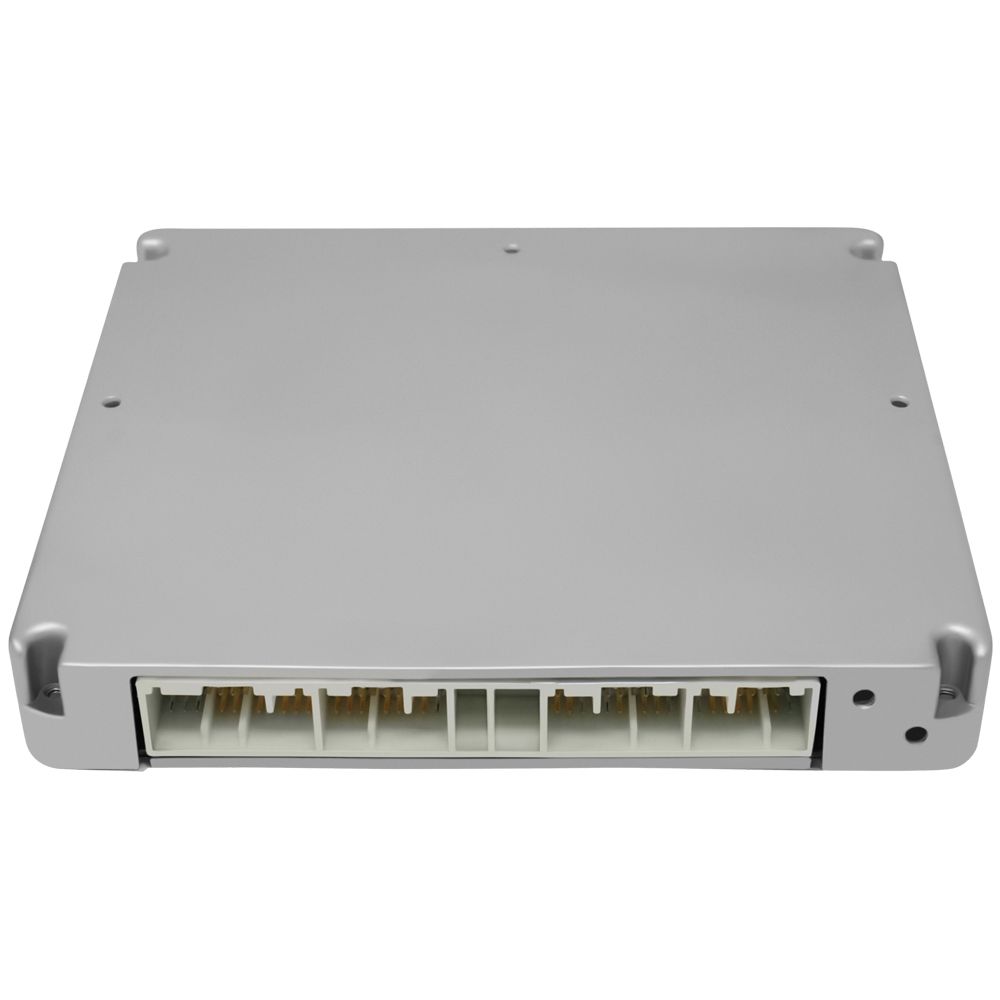
Flagship One stocks a refurbished, VIN-programmed PCM for the 2000 Toyota Celica GT with a lifetime warranty, free shipping and no core charge. The full Toyota Celica GT module lineup covers other engine configurations as well.
Restoring the electronic systems of your 2000 Toyota Celica GT is the most effective way to resolve stalling and no-start issues. By selecting a pre-programmed module and following professional installation practices, you can ensure your vehicle remains dependable. For those seeking a reliable solution, exploring high-quality replacement options is the best path forward.