
Last updated on August 25th, 2026 at 12:05 pm
The engine control module and powertrain control module in the 2001 Toyota Avalon manage fuel delivery, ignition timing, and transmission shifts; when either unit fails the vehicle can experience loss of power, erratic shifting, or a complete no‑start condition under normal driving
Owners of a 2001 Toyota Avalon who notice sudden stalling, a persistent no‑start condition, or erratic transmission behavior may be dealing with a faulty engine control module or powertrain control module. These two computers share responsibility for fuel metering, spark timing, and shift logic, so a failure in either one can produce a cascade of drivability symptoms that mimic mechanical problems. This article explains what each module does, where it lives in the vehicle, how much labor the factory service manual allocates for removal, installation, and the required relearn procedures, and why a pre‑programmed replacement can simplify the repair. By the end you will understand the typical warning signs, the factory‑specified service times, and the steps a professional shop would follow to return the Avalon to reliable operation without unnecessary guesswork. The guide also covers common diagnostic trouble codes that may appear, preventive maintenance habits that protect the modules from voltage spikes, and answers to frequently asked questions about programming and warranty considerations. Reading this overview will give you confidence when discussing repair options with a technician or when evaluating a refurbished unit for your own garage.
2001 Toyota Avalon
OEM programmed ECM for your 2001 Toyota Avalon — plug & play, no dealer visit.
Free shipping · Lifetime warranty
The engine control module (ECM) in the 2001 Toyota Avalon monitors sensor inputs such as throttle position, coolant temperature, and oxygen levels, then calculates the precise injector pulse width and ignition advance for each cylinder. The powertrain control module (PCM) adds transmission control logic, deciding when to shift gears based on vehicle speed, load, and driver demand. Because both modules share the same wiring harness and are mounted together in the instrument panel, a fault in one can affect the other’s communication pathways. When the module fails, owners often look for replacement engine computers for the Avalon to restore proper operation and avoid further drivability issues. Typical failure modes include internal processor errors, corrupted flash memory, or damaged driver circuits that cause the module to stop sending commands to the fuel pump, ignition coils, or solenoids. Symptoms may appear intermittently at first, such as a brief hesitation on acceleration, then progress to a hard no‑start or a transmission that refuses to shift out of first gear. The factory service manual assigns a 0.8‑hour labor allowance for removing and reinstalling each module, plus an additional 0.5‑hour relearn period to re‑calibrate adaptive parameters after the new unit is installed. Understanding these roles helps you recognize why a single electronic fault can mimic multiple mechanical problems. This knowledge also assists when comparing a new OEM part versus a remanufactured alternative for cost and reliability.
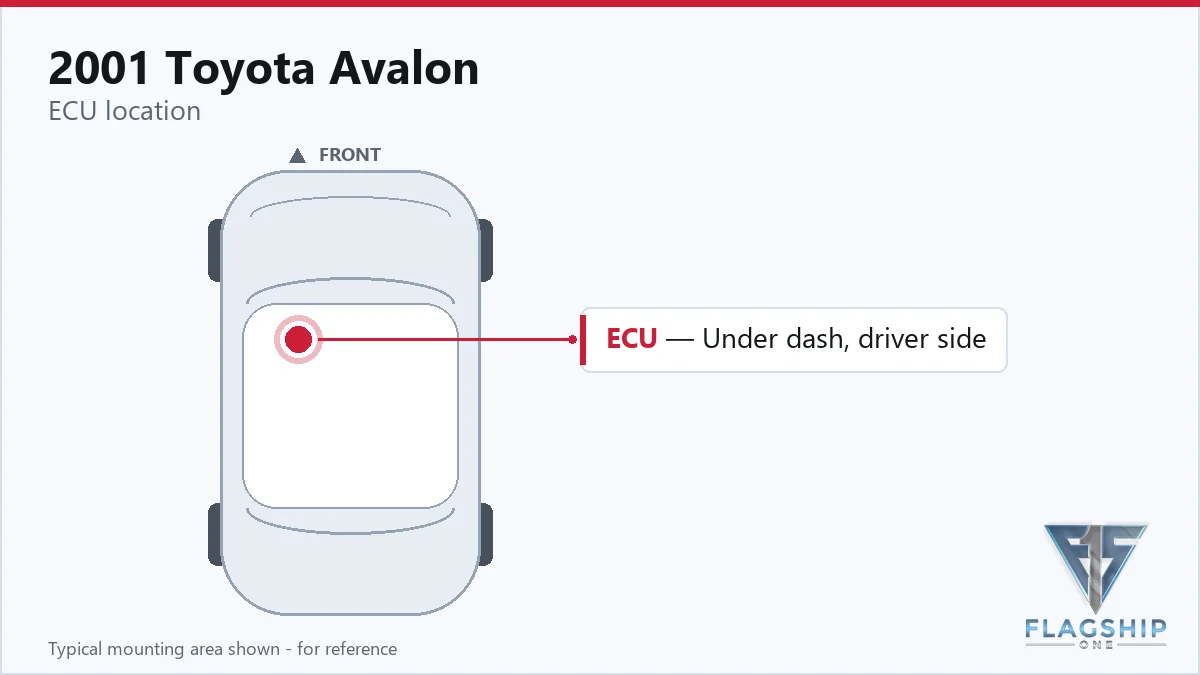
The factory wiring guide places the engine ECU in the instrument panel, which means the module sits behind the dashboard near the steering column. Accessing it requires removing the lower dash trim and disconnecting the main harness connector. The service manual allocates 0.8 hours for the removal and installation of the ECM, and the same 0.8 hours for the PCM because they share the same mounting bracket. After the new module is secured, a relearn procedure is required: 0.5 hours for the ECM and another 0.5 hours for the PCM to re‑establish adaptive fuel and shift tables. No torque specifications are published for the mounting bolts, so technicians typically hand‑tighten them to the factory‑specified snug feel. Because the instrument panel area is relatively confined, plan for extra time to maneuver tools and verify connector seating before reassembling the trim.
| Operation | Configuration | Book Time |
|---|---|---|
| Engine Control Module Relearn | All configurations | 0.5 hr |
| Engine Control Module R&R | All configurations | 0.8 hr |
| Powertrain Control Module R&R | All configurations | 0.8 hr |
| Powertrain Control Module Relearn | All configurations | 0.5 hr |
After a module is swapped, the factory service procedure calls for a relearn that rewrites the adaptive fuel trim, idle speed, and transmission shift points stored in the new computer. The ECM relearn takes 0.5 hours and the PCM relearn also requires 0.5 hours, for a total of one hour of dedicated scan‑tool time. Because the units ship as a VIN‑programmed replacement unit, the factory relearn step is already satisfied and the vehicle can be returned to service immediately after installation. The scan‑tool still verifies communication and checks for any stored codes, but no additional adaptive learning cycles are needed. This eliminates the risk of an incomplete relearn that could leave the engine running lean or the transmission hunting for the correct gear. Shops that use pre‑programmed modules report fewer comeback visits and reduced labor costs, since the only required labor is the physical R&R time listed in the manual.
Drivers of the 2001 Toyota Avalon often notice a cluster of electronic symptoms when the ECM or PCM begins to fail. A common early sign is an intermittent hesitation during light acceleration, caused by the fuel‑delivery map losing its learned correction factors. As the fault progresses, the engine may crank but refuse to start, indicating that the injector driver circuit or the ignition timing output has stopped functioning. The check‑engine light typically illuminates and a scan tool will reveal communication loss with the module, sometimes showing a generic U‑code for lost bus data. Transmission behavior also deteriorates: the vehicle may stay locked in first gear, shift harshly, or refuse to upshift because the PCM can no longer command the solenoids. In some cases the speedometer or odometer stops updating, reflecting a loss of the vehicle‑speed signal that both modules share. Stalling at idle, especially after the engine reaches operating temperature, points to a corrupted idle‑air‑control strategy stored in the ECM. Rough running, misfire codes, and a noticeable drop in fuel economy round out the symptom set. Because these modules control both engine and transmission functions, a single electronic failure can mimic multiple mechanical problems, making accurate diagnosis essential before any parts are replaced. Owners should also watch for unexpected warning chimes or a dead instrument cluster, which can accompany a total module loss.
The factory manual allocates 0.8 hours for removal and installation of either module, plus an additional 0.5 hours for the required relearn procedure for each unit.
According to the factory wiring guide, the engine ECU is mounted in the instrument panel behind the lower dash trim.
No, Flagship One units arrive VIN‑programmed, so the 0.5‑hour relearn for each module is already completed and the vehicle can be driven immediately.
Common signs include intermittent hesitation, no‑start condition, transmission stuck in first gear, loss of speedometer data, and a check‑engine light with communication loss codes.
Yes, because the PCM handles shift logic and shares data with the ECM, a fault in either module can disrupt transmission operation.
When the ECM or PCM fails, you can choose a new OEM part, a remanufactured unit, or a pre‑programmed replacement from Flagship One that eliminates the factory relearn labor. The instrument‑panel location makes the physical swap straightforward, and the 0.8‑hour R&R time is the same for either module. Selecting a VIN‑matched unit reduces shop time and helps avoid repeat visits caused by incomplete adaptive learning.
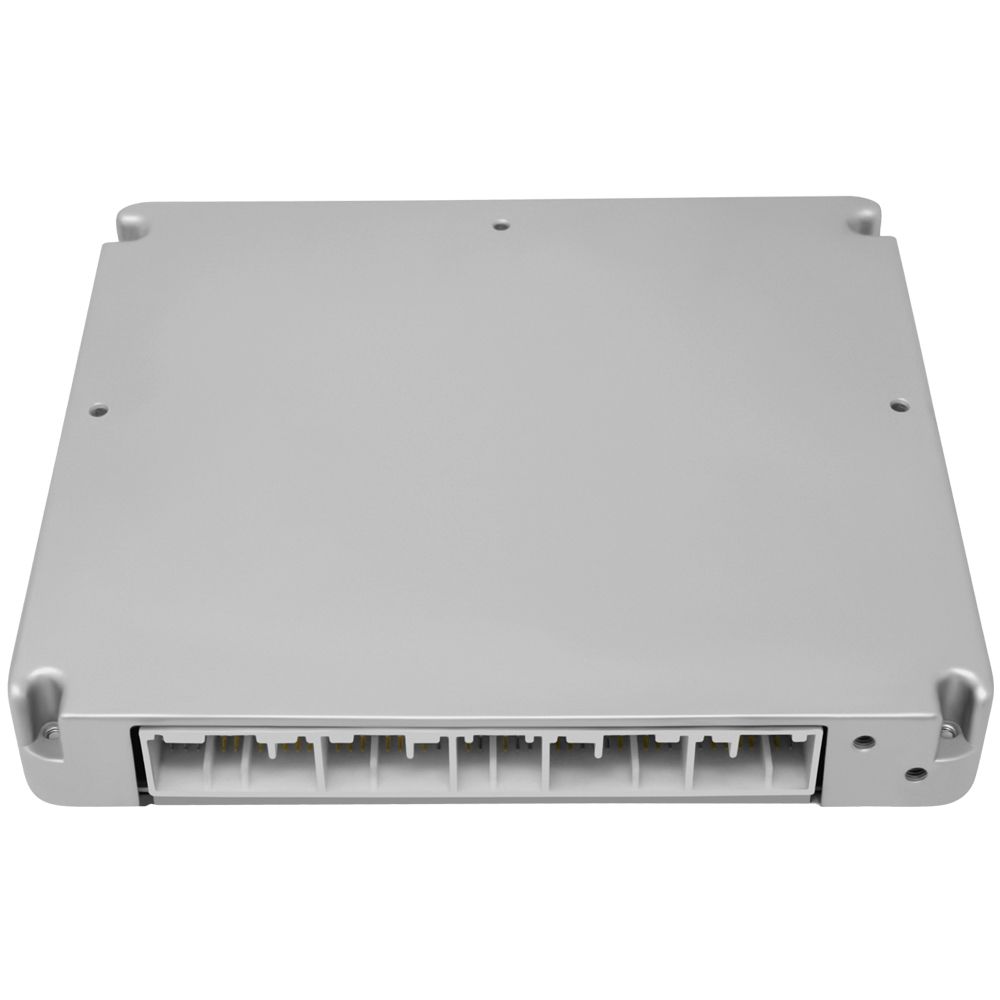
Flagship One stocks a refurbished, VIN-programmed PCM for the 2001 Toyota Avalon with a lifetime warranty, free shipping and no core charge. The full Toyota Avalon module lineup covers other engine configurations as well.
The 2001 Toyota Avalon relies on a paired ECM and PCM to keep engine and transmission running smoothly. Understanding the module locations, factory labor allowances, and the benefit of a VIN‑programmed replacement helps you make an informed repair decision. If you suspect a module issue, consult a qualified technician or explore a pre‑programmed unit to get back on the road with confidence.