
Last updated on August 25th, 2026 at 12:06 pm
The engine control module manages fuel delivery and ignition timing within your 1998 Toyota Land Cruiser. Internal electronic failures may disrupt communication between sensors and actuators. This disruption often leads to drivability issues requiring professional diagnosis or component replacement to restore normal function.
Owning a 1998 Toyota Land Cruiser involves maintaining complex electronic systems that manage engine performance. When issues arise with the central computer, understanding the scope of repair helps you make informed decisions. This guide explains the function of the module, common signs of failure, and the labor involved in replacement. You will learn about the specific time allocations for removal and relearn procedures. Proper diagnosis ensures you address the root cause rather than swapping parts unnecessarily. We discuss how programmed units simplify the installation process for your SUV. Technical details regarding labor book times are presented clearly. You gain insight into what mechanics consider during service. This information supports your maintenance planning and budgeting efforts. Reliable operation depends on correct handling of these electronic components. Understanding the process reduces uncertainty during repairs. Many owners hesitate when facing electronic faults due to cost concerns. Clear information empowers you to discuss options with your technician confidently. The goal is restoring your vehicle to safe driving condition efficiently.
1998 Toyota Land Cruiser
OEM programmed ECM for your 1998 Toyota Land Cruiser — plug & play, no dealer visit.
Free shipping · Lifetime warranty
The module serves as the brain for your 1998 Toyota Land Cruiser engine management system. It processes data from various sensors to control fuel injection and ignition timing precisely. Without this coordination, the engine cannot run efficiently or meet emissions standards. Internal circuitry may degrade over time due to heat or vibration exposure. When the unit fails, critical signals between components become interrupted or lost completely. You might experience drivability problems that seem unrelated to the computer itself. Mechanics often test wiring and sensors before condemning the module. Replacement becomes necessary when internal faults prevent proper signal processing. Sourcing replacement engine computers ensures compatibility with your specific model year configuration. These units must match the original hardware specifications to function correctly. The computer monitors exhaust oxygen levels to adjust the air fuel mixture continuously. It also manages idle speed and transmission shift points in some configurations. Failure here affects multiple systems simultaneously because of its central role. Understanding this scope helps you appreciate why diagnosis takes time. Proper function restores the balance between mechanical parts and electronic commands. Your vehicle relies on this component for daily operation reliability. Technicians verify power and ground connections before assuming internal failure. Voltage spikes from charging system issues can damage sensitive microprocessors inside. Protecting the unit involves maintaining healthy battery and alternator performance. Long term durability depends on stable electrical supply throughout the chassis.
Service procedures for the 1998 Toyota Land Cruiser involve specific labor allocations for computer work. Standard guides assign 0.5 hours for removing and replacing the engine control module. The same duration applies to the powertrain control module removal and replacement task. Relearning the engine control module typically requires 0.5 hours of technician time. Additionally, relearning the powertrain control module also requires 0.5 hours of labor. These times reflect the complexity of accessing and initializing the electronics. You should expect these book times to appear on your repair estimate. Physical access varies but the labor focus remains on careful handling. Disconnecting battery power is usually the first step for safety. Technicians must ensure connectors seat properly to avoid communication errors. Rushing the installation may lead to incomplete learning cycles. The specified hours account for verifying operation after installation. Proper torque on mounting hardware protects against vibration damage. Your service provider follows these standards to ensure quality work. Understanding these allocations helps you evaluate the scope of work.
| Operation | Configuration | Book Time |
|---|---|---|
| Engine Control Module Relearn | All configurations | 0.5 hr |
| Engine Control Module R&R | All configurations | 0.5 hr |
| Powertrain Control Module R&R | All configurations | 0.5 hr |
| Powertrain Control Module Relearn | All configurations | 0.5 hr |
After installing a new module, factory procedures often require a relearn process. This step synchronizes the computer with your 1998 Toyota Land Cruiser engine parameters. Without this synchronization, the vehicle may not run smoothly or start at all. The labor facts indicate 0.5 hours for the engine control module relearn procedure. Similarly, the powertrain control module relearn takes 0.5 hours to complete properly. These steps ensure the software matches your specific vehicle identification number. Flagship One simplifies this by providing a VIN-programmed replacement unit that arrives ready for installation. This approach eliminates the need for separate programming steps at the shop. You save time because the configuration is done before shipping. Standard units might require additional diagnostic tool access to write data. Pre-programmed options reduce the risk of errors during the setup phase. Your technician can focus on physical installation and verification testing. This method streamlines the repair process for complex electronic components. Ensuring the software matches the hardware prevents compatibility issues later. Reliable performance depends on this initial configuration being correct.
Failure symptoms in the 1998 Toyota Land Cruiser can vary widely depending on the fault. You may encounter a no-start condition where the engine cranks but refuses to fire. Stalling at idle or under load often points to computer signal loss. Misfire codes may appear even when ignition components test within specification. Dead scan-tool communication suggests the module is not powering up internally. Shifting issues can occur if the computer controls transmission functions. Intermittent problems often worsen as the internal damage progresses over time. Fuel economy may drop suddenly without changes in driving habits. Check engine lights might illuminate constantly or flicker unpredictably. Some owners report random power loss while driving on the highway. These signs indicate the brain of the engine is struggling to function. Diagnosis requires ruling out simple causes like bad grounds first. Wiring harness damage can mimic internal computer failure symptoms closely. Moisture intrusion into connectors often causes corrosion that disrupts signals. Heat soak from prolonged driving may trigger faults only when hot. Understanding these patterns helps you describe the issue to your technician accurately. Persistent issues despite part replacement suggest a deeper electronic control problem. Voltage fluctuations from the alternator can cause erratic computer behavior too. Professional diagnosis isolates the computer from peripheral sensor failures effectively.
Driving is not recommended as stalling may occur unexpectedly. Safety risks increase if power steering or brakes lose assist.
Properly installed units typically last many years with stable electrical supply. Maintenance of the charging system extends component life significantly.
Flagship One units arrive pre-programmed so no additional steps are needed. This saves labor time and ensures correct configuration immediately.
Heat, vibration, and voltage spikes are common causes of internal damage. Corrosion from moisture can also disrupt circuit board function over time.
Used units often require reprogramming to match your vehicle identification number. Pre-programmed replacements eliminate this requirement for a simpler install.
Repairing the original unit is an option but refurbished replacements offer reliability. You weigh the cost of rebuilding against purchasing a pre-configured component. For the 1998 Toyota Land Cruiser, availability of tested units simplifies the decision. Consider the labor time saved by using a ready-to-install part. Your goal is minimizing downtime while ensuring long-term performance standards.
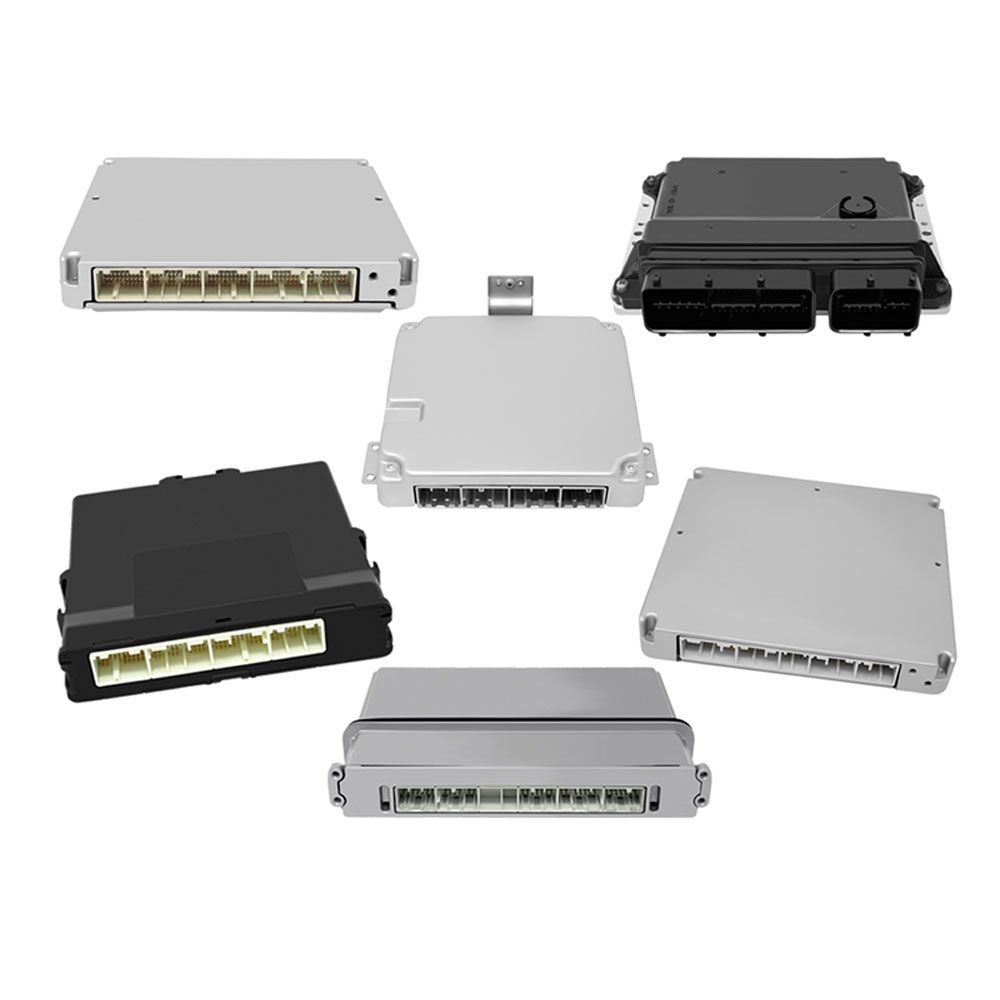
Flagship One stocks a refurbished, VIN-programmed PCM for the 1998 Toyota Land Cruiser with a lifetime warranty, free shipping and no core charge. The full Toyota Land Cruiser module lineup covers other engine configurations as well.
Restoring your 1998 Toyota Land Cruiser requires attention to electronic details during service. Understanding labor times and programming needs prepares you for the repair process. Proper handling ensures your engine management system functions correctly for miles. Contact Flagship One for solutions tailored to your specific model requirements.