
Last updated on August 25th, 2026 at 12:05 pm
The Engine Control Module (ECM) or Powertrain Control Module (PCM) in your 2001 Toyota Land Cruiser acts as the vehicle’s central computer, managing fuel delivery, ignition timing, and emissions systems. Failure may cause erratic engine behavior, poor performance, or a complete no-start condition.
If your 2001 Toyota Land Cruiser has been hesitating, stalling, or refusing to start, the Engine Control Module (ECM) or Powertrain Control Module (PCM) may be the culprit. This small but critical computer manages everything from fuel injection to transmission shifting, making it essential for smooth operation. When it fails, symptoms can range from subtle performance issues to a complete breakdown. Replacing the module itself is straightforward, but programming it to your vehicle’s specifications can add complexity. Understanding the process—from identifying symptoms to installation and calibration—helps you make informed decisions about repairs. Whether you’re diagnosing a no-start condition or preparing for a replacement, knowing what to expect can save time and frustration. This guide covers the role of the ECM/PCM in your Land Cruiser, common failure signs, and the steps involved in getting your SUV back on the road reliably.
The Engine Control Module (ECM) in your 2001 Toyota Land Cruiser serves as the brain of the engine, continuously monitoring sensors to optimize fuel delivery, ignition timing, and emissions control. It works in tandem with the transmission control system, often integrated into a single Powertrain Control Module (PCM) in later models. This module ensures your 4.7L V8 runs efficiently under all driving conditions, from highway cruising to off-road demands. When the ECM fails, you may notice poor throttle response, reduced fuel economy, or even a complete loss of engine function. Because it governs so many critical systems, a malfunctioning module can trigger a cascade of issues, including misfires, stalling, or transmission shifting problems. Replacing it requires not just a physical swap but also proper calibration to match your vehicle’s specific configuration. For owners of the Land Cruiser, replacement engine computers for the Land Cruiser are designed to restore full functionality without the guesswork of aftermarket alternatives.
2001 Toyota Land Cruiser
OEM programmed ECM for your 2001 Toyota Land Cruiser — plug & play, no dealer visit.
Free shipping · Lifetime warranty
In the 2001 Toyota Land Cruiser, the ECM/PCM is typically located inside the cabin, mounted near the driver’s side kick panel or under the dashboard. Accessing it involves removing interior trim panels, which may require basic hand tools like a screwdriver or trim removal tool. Once exposed, the module is secured with a few bolts or screws, and the wiring harness connectors are unplugged. Reinstallation follows the reverse process, ensuring all connections are clean and properly seated. Labor time for removal and replacement (R&R) is estimated at 0.5 hours, according to factory service manuals. The same time allowance applies to the Powertrain Control Module if your vehicle uses a separate unit. No specialized torque specifications are provided, but connectors should be firmly attached to prevent intermittent electrical issues.
| Operation | Configuration | Book Time |
|---|---|---|
| Engine Control Module Relearn | All configurations | 0.5 hr |
| Engine Control Module R&R | All configurations | 0.5 hr |
| Powertrain Control Module R&R | All configurations | 0.5 hr |
| Powertrain Control Module Relearn | All configurations | 0.5 hr |
After replacing the ECM or PCM in your 2001 Toyota Land Cruiser, the module must be programmed to recognize your vehicle’s VIN and specific calibration data. This process, often called a relearn or flash procedure, typically requires 0.5 hours of labor when performed at a dealership using Toyota’s Techstream software. The procedure ensures the new module communicates correctly with the engine, transmission, and other onboard systems. Without this step, the vehicle may run poorly or fail to start altogether. However, a VIN-programmed replacement unit from Flagship One arrives pre-configured to your Land Cruiser’s specifications, eliminating the need for dealer programming. This not only saves time but also reduces the risk of compatibility issues that can arise with aftermarket or used modules.
A failing ECM or PCM in your 2001 Toyota Land Cruiser can manifest in several ways, often mimicking other mechanical or electrical problems. One of the most common signs is a no-start condition, where the engine cranks but refuses to fire. You may also experience intermittent stalling, especially at idle or during deceleration, as the module loses its ability to regulate fuel and ignition timing. Poor acceleration, rough idling, or a noticeable drop in fuel efficiency can indicate the module is struggling to maintain optimal engine performance. Transmission shifting issues, such as harsh or delayed gear changes, may also occur if the PCM is unable to communicate effectively with the transmission control system. Another red flag is the illumination of the check engine light, often accompanied by trouble codes like an internal control module memory check sum error. In some cases, the vehicle may enter a “limp mode,” limiting engine power to prevent further damage. Scan tool communication failures, where the diagnostic tool cannot establish a connection with the module, are another strong indicator of ECM/PCM failure. Because these symptoms can overlap with other issues, such as sensor failures or wiring problems, proper diagnosis is essential before proceeding with a replacement.
Toyota has issued service bulletins addressing ECM/PCM reprogramming procedures for the 2001 Land Cruiser and other applicable models. Bulletin #SS002-01 outlines the revised ECU flash reprogramming process, ensuring technicians follow the correct steps to update or replace module software. Bulletin #SS002-07 expands on this, detailing the Techstream ECU flash reprogramming procedure for 2001–2008 Toyota vehicles, including the Land Cruiser. These bulletins emphasize the importance of using the latest software and proper calibration to avoid drivability issues after module replacement. While the bulletins are primarily aimed at dealership technicians, they highlight the complexity of the programming process and the need for specialized tools.
| Bulletin | Subject | What It Addresses |
|---|---|---|
| SS002-01 | :SS002-01: 2001 & Later Applicable Models: ECU Flash Reprogramming Process (Revised) | — |
| SS002-07 | :SS002-07: 01-08 Applicable Toyota: Techstream ECU Flash Reprogramming Procedure | — |
A failing ECM often causes multiple symptoms at once, such as stalling, misfires, and communication errors with a scan tool. If individual sensors test within specifications but the vehicle still runs poorly, the module itself may be the problem. A professional diagnosis can confirm whether the ECM is at fault.
Replacing the ECM is a straightforward process that many DIYers can handle, provided they have basic tools and follow proper safety precautions. However, programming the new module requires specialized software and equipment, which is why many owners opt for a pre-programmed unit to avoid dealership visits.
A used ECM may physically fit, but it will need to be reprogrammed to match your vehicle’s VIN and calibration data. Even then, compatibility issues can arise due to differences in software versions or hardware revisions. A new or remanufactured unit is often a more reliable choice.
Without the relearn procedure, the new ECM may not communicate properly with the engine, transmission, or other systems. This can result in poor performance, stalling, or even a no-start condition. In some cases, the vehicle may enter a limp mode to prevent further damage.
The relearn procedure typically requires 0.5 hours of labor at a dealership, assuming no additional issues are encountered. This time is used to flash the module with the correct software and ensure all systems are functioning as intended.
If your 2001 Toyota Land Cruiser is experiencing ECM or PCM-related issues, you have a few options for repair. A dealership can replace and reprogram the module, though this may involve additional labor time and cost. Alternatively, a remanufactured or new replacement unit, pre-programmed to your VIN, can simplify the process and get your vehicle back on the road faster. For Land Cruiser owners, choosing a unit designed specifically for your model ensures compatibility and reliability without the hassle of post-installation programming.
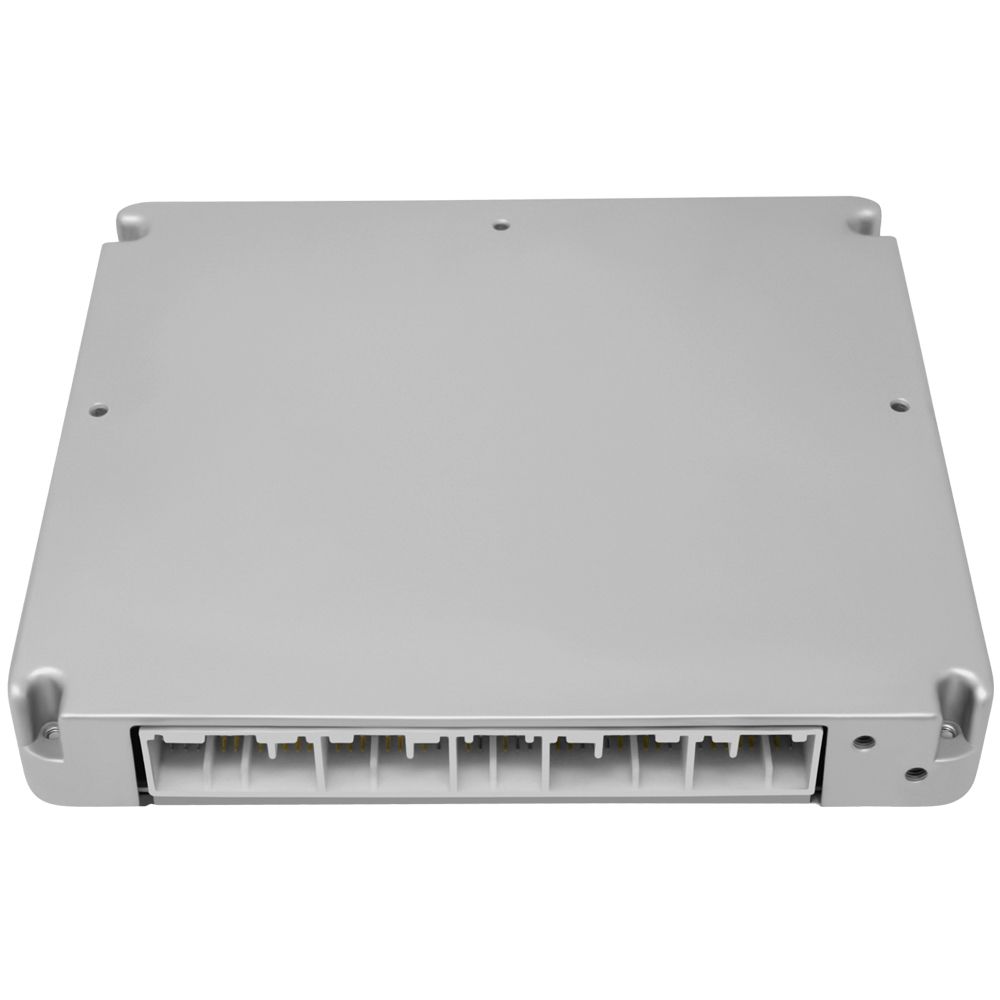
Flagship One stocks a refurbished, VIN-programmed PCM for the 2001 Toyota Land Cruiser with a lifetime warranty, free shipping and no core charge. The full Toyota Land Cruiser module lineup covers other engine configurations as well.
The ECM or PCM in your 2001 Toyota Land Cruiser plays a vital role in keeping your SUV running smoothly. When it fails, symptoms like stalling, misfires, or a no-start condition can leave you stranded. Understanding the replacement process, from physical installation to programming, helps you make informed decisions about repairs. Whether you opt for a dealership solution or a pre-programmed replacement unit, addressing the issue promptly can restore your Land Cruiser’s performance and reliability. If you’re ready to move forward, consider a module that’s already calibrated to your vehicle’s specifications to save time and avoid potential headaches.