
Last updated on August 25th, 2026 at 12:06 pm
The powertrain control module in the 1999 Toyota Land Cruiser directs the 4.7L engine and automatic transmission operations. When this critical computer malfunctions, it often triggers severe drivability problems, including stalling or harsh shifting, which prevents the vehicle from running correctly.
Encountering sudden performance issues with a 1999 Toyota Land Cruiser can be frustrating, especially when the root cause points directly to the engine control module. This critical computer acts as the brain of your vehicle, dictating how the 4.7L engine operates under various driving conditions. When it starts to fail, you might notice unpredictable drivability problems that leave you searching for answers and wondering about repair costs. Understanding what this component does and how its failure impacts your vehicle is the first step toward a reliable repair. Navigating the replacement process often seems complex, particularly regarding the programming and labor times involved. By breaking down the module’s function, common symptoms, and replacement procedures, you gain the clarity needed to address the situation confidently. Whether you are troubleshooting a stubborn no-start condition or preparing for a module swap, having accurate information about the specific requirements for the 1999 Toyota Land Cruiser ensures you can approach the repair effectively and restore your vehicle to proper working order without unnecessary delays, ensuring your SUV remains dependable for many years to come.
In the 1999 Toyota Land Cruiser, the powertrain control module serves as the central processing unit for the entire drivetrain ecosystem. It continuously gathers data from an array of sensors positioned throughout the 4.7L engine and automatic transmission, calculating the optimal air-fuel ratio, ignition timing, and shift points. By adjusting these parameters in real time, the computer ensures the engine runs efficiently while maintaining the robust performance expected from this heavy SUV. When this module operates correctly, you experience smooth acceleration, steady idling, and consistent fuel economy. However, when internal circuitry degrades or software glitches occur, the module can send incorrect commands to the fuel injectors, ignition coils, or transmission solenoids. This typically leads to noticeable performance drops, increased emissions, or even complete engine shutdown. Replacing a faulty unit with 1999 Toyota Land Cruiser replacement modules is often necessary to restore proper communication between the engine sensors and mechanical actuators. Without a functioning computer, the 4.7L engine cannot maintain the precise calibration required for combustion, leaving the vehicle undrivable. Understanding the role of this component highlights why addressing electronic failures promptly is critical for the overall health of your vehicle. Ignoring the warning signs may result in secondary damage to other drivetrain components that rely on accurate electronic instructions, ultimately increasing the scope and cost of the necessary repairs. Furthermore, a malfunctioning computer may trigger protective modes that severely limit engine RPM and vehicle speed, creating unsafe driving conditions in traffic.
1999 Toyota Land Cruiser
OEM programmed replacements — plug & play, no dealer visit.
Find yours by year, make & model →
Free shipping · Lifetime warranty
Replacing the computer on a 1999 Toyota Land Cruiser involves specific labor considerations. According to established service guidelines, the removal and installation of the powertrain control module requires 0.5 hours of labor. Similarly, removing and installing the engine control module also takes 0.5 hours. These book times reflect the physical effort needed to access the unit, disconnect the wiring harnesses, and mount the new component securely. Because the exact location can vary, consulting a factory service manual for the 1999 Toyota Land Cruiser is advisable to identify the precise mounting area and any specific access steps. During the installation process, care must be taken to ensure all connectors are fully seated and locked into place. Proper installation helps prevent intermittent electrical connections that could mimic module failure. Once the new unit is physically mounted, the vehicle typically requires additional procedures before it can be returned to service. Adhering to the recommended labor times ensures that technicians allocate enough time to complete the swap without rushing, which could otherwise lead to damaged connector pins or incomplete seating of the module within its bracket.
| Operation | Configuration | Book Time |
|---|---|---|
| Engine Control Module Relearn | All configurations | 0.5 hr |
| Engine Control Module R&R | All configurations | 0.5 hr |
| Powertrain Control Module R&R | All configurations | 0.5 hr |
| Powertrain Control Module Relearn | All configurations | 0.5 hr |
After physically installing a new computer in the 1999 Toyota Land Cruiser, the factory procedure requires a relearn process to synchronize the module with the vehicle. The relearn procedure for the engine control module takes 0.5 hours, and the powertrain control module relearn similarly requires 0.5 hours. During this time, the computer must adapt to the specific sensor readings and operating characteristics of your 4.7L engine, ensuring proper idle, fuel trim, and transmission shift behavior. Failing to complete these steps often results in poor performance or persistent warning lights. Fortunately, choosing a pre-programmed replacement unit from Flagship One eliminates the need for these extensive post-installation programming steps. Because the module arrives already programmed to your vehicle identification number, the relearn procedures regarding software initialization are already handled. This allows you to simply install the unit and proceed with the basic idle relearn, bypassing the complex factory initialization processes that would otherwise consume additional shop time and require specialized diagnostic equipment.
When the computer begins to fail in the 1999 Toyota Land Cruiser, several distinct symptoms often present themselves. One of the most common indicators is a no-start condition, where the engine cranks vigorously but fails to fire because the fuel injectors or ignition coils are not receiving the proper ground signals from the module. You may also experience intermittent stalling while driving, which can be particularly dangerous in traffic situations or on the highway. Misfire codes are another frequent sign, as the failing computer struggles to calculate the correct ignition timing for the 4.7L engine, leading to rough idling, hesitation during acceleration, and reduced overall power. Transmission shifting issues often accompany these engine problems, with the vehicle potentially stuck in a default gear or shifting harshly due to improper solenoid control from the malfunctioning unit. Additionally, you might encounter dead scan-tool communication, meaning your mechanic cannot retrieve diagnostic data from the vehicle because the module is entirely unresponsive. This lack of communication makes diagnosing the exact root cause much more difficult and time-consuming. Other times, the check engine light may illuminate without any apparent drivability concerns, acting as an early warning of internal processor faults. Recognizing these specific symptoms early on your 1999 Toyota Land Cruiser helps prevent being stranded and ensures that the appropriate diagnostic steps are taken before replacing other expensive components that might only be acting up due to faulty electronic commands.
Toyota issued technical service bulletin EL001-99 regarding the 1999 Land Cruiser. This bulletin addresses a production change for the ECU-B1 fuse. Factory engineers identified a potential issue with the original ECU-B1 fuse, prompting an update to the circuit protection specifications. If you are troubleshooting electrical anomalies or power loss to the engine computer, checking the ECU-B1 fuse according to the guidelines outlined in EL001-99 is highly recommended. The production change specified in this bulletin may explain why the computer is losing power or failing to communicate with diagnostic tools. Verifying that the correct updated fuse is installed ensures the module receives stable voltage, which is critical for reliable operation. Addressing the details within T.S.B. EL001-99:99 should be a preliminary step before condemning the module itself, as a blown or outdated ECU-B1 fuse can mimic the exact symptoms of a failed computer.
| Bulletin | Subject | What It Addresses |
|---|---|---|
| EL001-99 | :EL001-99:99 Land Cruiser ECU-B1 Fuse Production Change | — |
The labor time for removing and installing the engine control module on the 1999 Toyota Land Cruiser is typically 0.5 hours. An additional 0.5 hours is generally required to complete the factory relearn procedure once the new unit is installed.
Yes, under factory procedures, the powertrain control module requires a relearn process that takes approximately 0.5 hours. This step ensures the computer synchronizes with the 4.7L engine and transmission sensors for proper operation.
Bulletin EL001-99 details a production change regarding the ECU-B1 fuse. It is important to check this fuse and ensure the updated specification is met, as fuse issues can disrupt power to the computer and mimic module failure.
Common symptoms often include a no-start condition, intermittent stalling, misfire codes, and harsh transmission shifting. You might also experience dead scan-tool communication where diagnostic equipment cannot connect to the vehicle.
Yes, the ECU-B1 fuse directly supplies power to the computer. If this fuse is blown or does not meet the updated production change specified in bulletin EL001-99, it can cause the engine computer to lose power or fail to communicate.
Deciding between repairing or replacing the computer in your 1999 Toyota Land Cruiser depends on the nature of the failure. While some localized connector issues may be repairable, internal circuit board damage typically requires a full replacement. Choosing a professionally refurbished replacement module restores functionality while addressing the specific programming requirements of the 4.7L engine. This route often provides a reliable balance of cost savings and guaranteed performance.
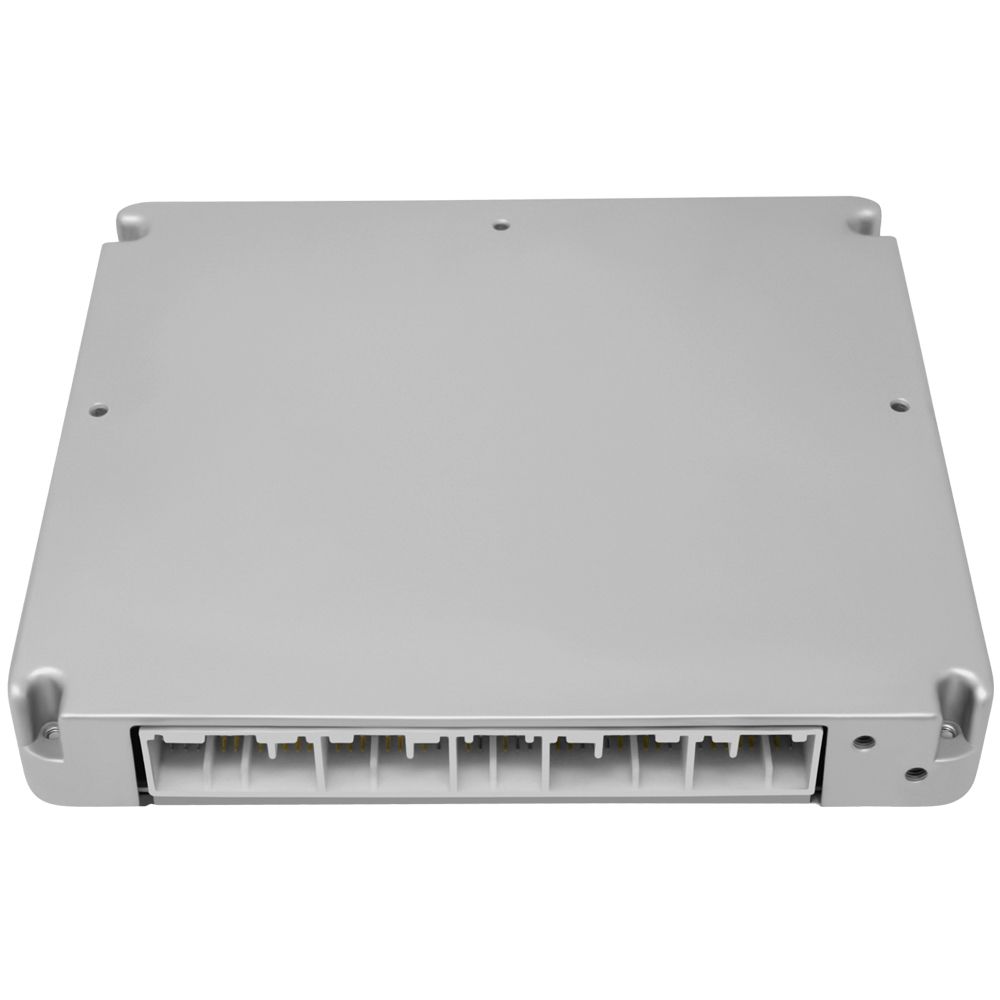
Flagship One stocks a refurbished, VIN-programmed PCM for the 1999 Toyota Land Cruiser with a lifetime warranty, free shipping and no core charge. The full Toyota Land Cruiser module lineup covers other engine configurations as well.
Addressing computer issues in your 1999 Toyota Land Cruiser promptly ensures the 4.7L engine continues to deliver the dependable performance you expect. By understanding the symptoms, factory bulletins, and replacement requirements, you can navigate the repair process efficiently. When it is time to replace the faulty module, choosing a pre-programmed unit from Flagship One simplifies the installation and gets your vehicle back on the road with confidence.