
Last updated on August 25th, 2026 at 12:05 pm
The engine control module (ECM) or powertrain control module (PCM) in your 2000 Toyota Land Cruiser 4.7L manages fuel injection, ignition timing, and transmission shift points. When it fails, you may experience no-start, stalling, misfire codes, or erratic shifting.
Your 2000 Toyota Land Cruiser 4.7L is a rugged SUV known for reliability, but when the engine or transmission starts acting up, the control module may be the culprit. The engine control module (ECM) and powertrain control module (PCM) are the brains behind fuel delivery, ignition timing, and gear shifts. A failing module can cause frustrating symptoms like no-start, stalling, poor acceleration, or a check engine light that won’t go away. This guide walks you through what these modules do, where they are located, how to replace them, and what programming steps are needed. You will also learn about a factory service bulletin that addresses memory reset procedures. By the end, you will have a clear understanding of whether a replacement is necessary and how to get your Land Cruiser back on the road with minimal downtime.
The ECM and PCM in your 2000 Toyota Land Cruiser 4.7L are essentially the same component, often referred to interchangeably. This module receives data from sensors throughout the engine and transmission, then adjusts fuel injector pulse width, spark timing, and shift solenoids to optimize performance and fuel economy. In a vehicle like the Land Cruiser, which is often used for towing or off-road driving, a properly functioning module is critical for maintaining power delivery and preventing driveline damage. When the module fails, it can corrupt the adaptive learning that the system uses to compensate for wear or driving conditions. That is why replacement ECMs for the Land Cruiser must be programmed with the correct software and VIN data. Without that programming, the vehicle may run poorly or not start at all. The module also monitors emissions systems and stores diagnostic trouble codes that help technicians pinpoint issues. Given the Land Cruiser’s reputation for longevity, a failed ECM or PCM is often the result of voltage spikes, heat, or age rather than manufacturing defects.
2000 Toyota Land Cruiser
OEM programmed ECM for your 2000 Toyota Land Cruiser — plug & play, no dealer visit.
Free shipping · Lifetime warranty
| Operation | Configuration | Book Time |
|---|---|---|
| Engine Control Module Relearn | All configurations | 0.5 hr |
| Engine Control Module R&R | All configurations | 0.5 hr |
| Powertrain Control Module R&R | All configurations | 0.5 hr |
| Powertrain Control Module Relearn | All configurations | 0.5 hr |
After installing a new or replacement ECM or PCM in your 2000 Toyota Land Cruiser, the factory procedure requires an ECM reset memory function as described in TSB #TC002-03. This involves a specific sequence of key-on, key-off, and driving conditions to clear adaptive memory and allow the module to relearn idle and shift patterns. Without this step, the vehicle may exhibit rough idle, poor performance, or transmission shift issues. However, when you choose a VIN-programmed replacement unit from Flagship One, that reset and programming are already completed before shipping. The module arrives ready to install, so you can skip the relearn procedure entirely. This saves you the 0.5 hours of labor and ensures the vehicle runs correctly from the first start. Always verify that the replacement unit matches your vehicle’s engine and transmission configuration.
A failing ECM or PCM in your 2000 Toyota Land Cruiser 4.7L can produce a range of symptoms that mimic other problems. The most common sign is a no-start condition where the engine cranks but does not fire, often because the module is not sending fuel injector or spark signals. You may also experience intermittent stalling while driving, especially when the module overheats or loses communication with sensors. Misfire codes like P0300 may appear, even after replacing spark plugs and coils. The check engine light may illuminate with codes that do not clear, or the scan tool may fail to communicate with the module entirely. Transmission shifting can become harsh, delayed, or stuck in a single gear because the PCM controls shift solenoids. Other symptoms include poor fuel economy, surging idle, and the vehicle entering a limp-home mode that limits speed. If you notice several of these issues together, the control module is a likely suspect.
Toyota issued Service Bulletin #TC002-03 regarding the ECM Reset Memory Function. This bulletin applies to all 2000-2005 Toyota models and 2004-2005 Scion models. The procedure resets the ECM’s learned memory after a battery disconnect or module replacement. The bulletin describes a specific sequence of key-on, key-off, and driving conditions to clear adaptive memory. Failure to perform this reset can result in rough idle, poor performance, or transmission shift issues. The revised bulletin updates the procedure for certain models. Following this TSB is essential for proper drivability after any ECM or PCM service.
| Bulletin | Subject | What It Addresses |
|---|---|---|
| TC002-03 | :TC002-03: ECM Reset Memory Function: All 00-05 Toyota & 04-05 Scion (Revised) | — |
Yes, a weak or failing battery can cause voltage fluctuations that stress the ECM. Low voltage may also prevent the module from completing its self-checks, leading to erratic behavior. Always replace a weak battery promptly to protect the control module.
If the vehicle runs poorly after a battery disconnect or jump-start, a relearn may be all that is needed. However, if you have persistent no-start, dead communication with a scan tool, or physical damage like burnt pins, the module likely needs replacement. A professional diagnosis can confirm.
A used ECM must be programmed with your vehicle’s VIN and immobilizer data to work correctly. Without that programming, the engine may not start or may run poorly. Flagship One offers pre-programmed units that are ready to install, avoiding the hassle of used parts.
Basic hand tools such as a socket set, screwdrivers, and a ratchet are typically sufficient. You will also need a battery terminal wrench to disconnect the battery. The job is straightforward and can be done in about 30 minutes of labor time.
Yes, TSB #TC002-03 covers all 2000-2005 Toyota models, including the Land Cruiser. It describes the ECM reset memory function that should be performed after any module replacement or battery disconnect. Following this bulletin ensures proper drivability.
When your 2000 Toyota Land Cruiser 4.7L needs a new ECM or PCM, you have two options: have a shop install a blank module and perform the factory relearn, or buy a pre-programmed unit that is ready to plug in. The latter saves you the 0.5-hour relearn labor and eliminates the risk of incorrect setup. Flagship One provides VIN-programmed modules specifically for your Land Cruiser, so you can get back on the road quickly.
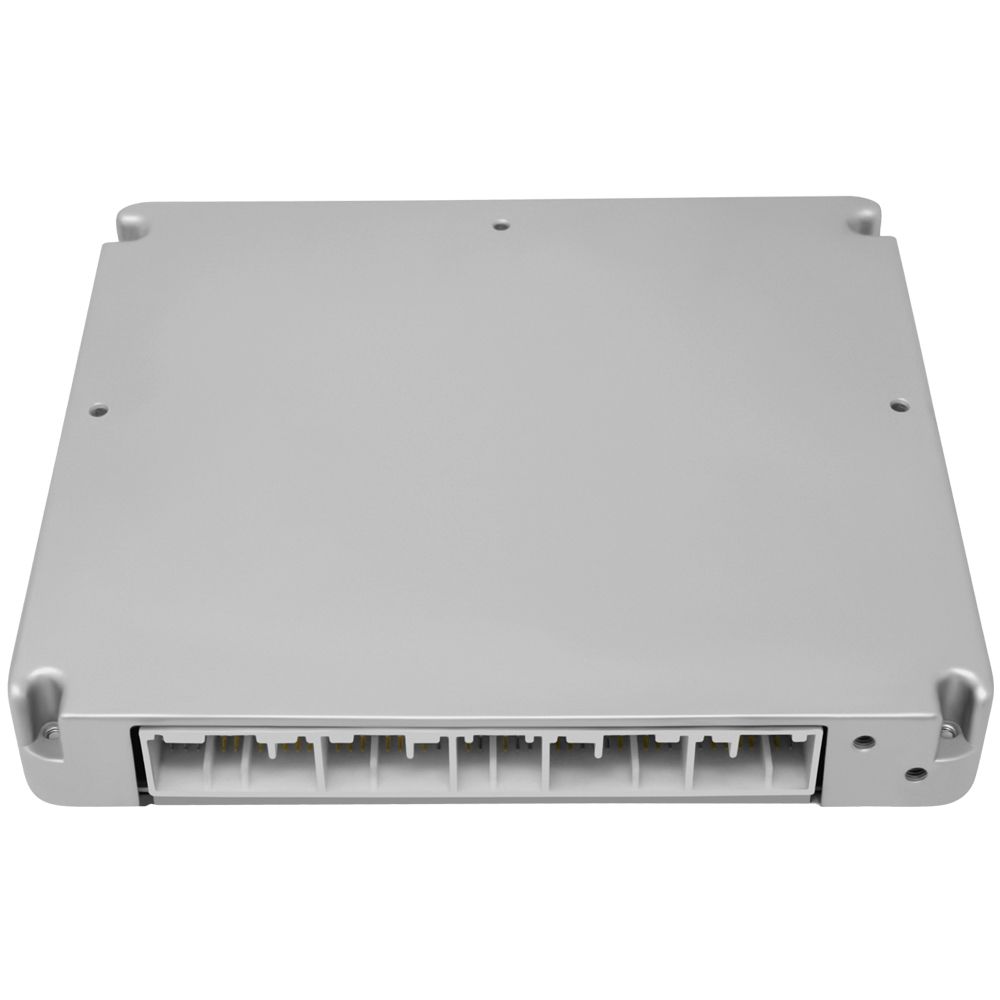
Flagship One stocks a refurbished, VIN-programmed PCM for the 2000 Toyota Land Cruiser with a lifetime warranty, free shipping and no core charge. The full Toyota Land Cruiser module lineup covers other engine configurations as well.
The ECM and PCM are vital to the performance and reliability of your 2000 Toyota Land Cruiser 4.7L. Recognizing the symptoms of failure and understanding the replacement process can save you time and money. Whether you choose a repair or a replacement, ensure the module is properly programmed. Flagship One offers pre-programmed units that simplify the job.