
Last updated on August 25th, 2026 at 12:08 pm
The engine computer in a 1998 Plymouth Voyager manages fuel delivery and ignition timing. When this module fails, the vehicle may suffer from erratic idling or a complete failure to start, as the processor can no longer interpret sensor data or execute critical engine commands.
Dealing with electronic failures in a 1998 Plymouth Voyager can be a frustrating experience for any owner. The Powertrain Control Module, or PCM, serves as the central brain for the vehicle, coordinating a complex web of inputs from the throttle and crankshaft to ensure the 3.0L engine runs efficiently. While mechanical parts typically wear down over time, electronic components can suffer from internal circuit degradation due to age and heat cycles. By understanding how this module functions and how it fails, you can better differentiate between a simple faulty sensor and a complete module failure. This guide provides the technical context needed to move toward a reliable repair, focusing on the specific labor requirements and programming steps involved. You will find details on factory service bulletins and specific trouble codes that often accompany these failures. The goal is to provide a clear path from diagnosing a symptom to restoring the vehicle’s drivability without the guesswork typically associated with automotive electronics.
The Powertrain Control Module in a 1998 Plymouth Voyager is responsible for the seamless integration of the engine and the transmission. It constantly monitors data from various sources, such as the oxygen sensors and the throttle position sensor, to make real-time adjustments to fuel trim and spark advance. This precision is what allows the 3.0L engine to maintain a balance between power and fuel economy. When you seek replacement engine computers for the 1998 Plymouth Voyager, it is important to realize that this module is not just a passive part but an active processor. If the internal hardware fails, it is similar to a computer with a corrupted operating system; the mechanical components of the engine may be in perfect condition, but the instructions they receive are incorrect. This can lead to erratic shifting patterns or a significant drop in fuel efficiency. Because the PCM manages so many critical variables, its health is paramount to the overall operation of the vehicle. A failure in this unit often disrupts the timing of the fuel injectors, which can cause the engine to run lean or rich, potentially leading to further mechanical damage if not addressed promptly.
1998 Plymouth Voyager
OEM programmed ECM for your 1998 Plymouth Voyager — plug & play, no dealer visit.
Free shipping · Lifetime warranty
Replacing the Powertrain Control Module on a 1998 Plymouth Voyager is estimated at 0.6 hours of labor. Similarly, the removal and installation of the Engine Control Module is also listed at 0.6 hours. These book times provide a baseline for the physical swap of the hardware. Once the new unit is physically installed, a relearn procedure is typically required to synchronize the computer with the engine’s current state. This calibration process is estimated to take 0.5 hours for both the PCM and the ECM. Ensuring that the electrical connections are clean and securely seated during this process is vital to prevent intermittent communication errors after the vehicle is restarted.
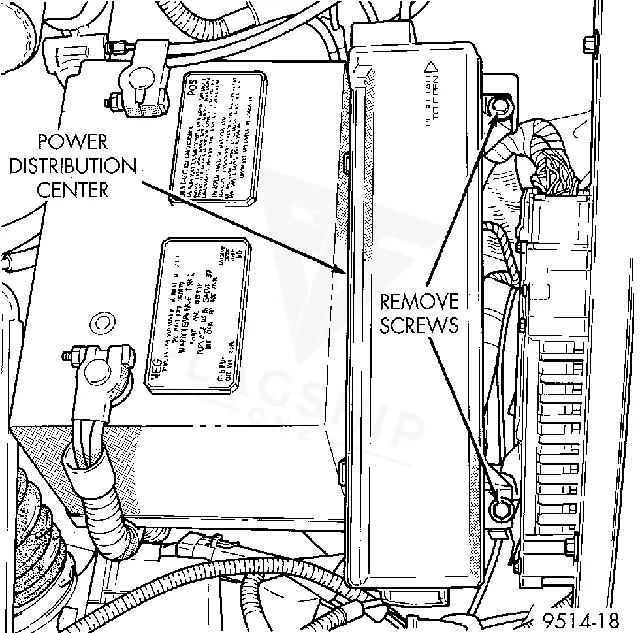
Work with the ignition off, and treat the module as static-sensitive: avoid touching the connector pins at any point.
| Operation | Configuration | Book Time |
|---|---|---|
| Engine Control Module Relearn | Grand Voyager | 0.5 hr |
| Engine Control Module Relearn | Voyager | 0.5 hr |
| Engine Control Module R&R | Grand Voyager | 0.6 hr |
| Engine Control Module R&R | Voyager | 0.6 hr |
| Powertrain Control Module R&R | Grand Voyager | 0.6 hr |
| Powertrain Control Module R&R | Voyager | 0.6 hr |
| Powertrain Control Module Relearn | Grand Voyager | 0.5 hr |
| Powertrain Control Module Relearn | Voyager | 0.5 hr |
The factory process for a 1998 Plymouth Voyager requires the use of a DRB scan tool to input the original vehicle identification number and the current odometer reading into the new PCM. This step is necessary so the computer recognizes the vehicle and maintains accurate data records. However, when you choose a VIN-programmed replacement unit, these critical programming steps are completed before the part ships. This removes the need for a dealership visit to perform the initial VIN and mileage entry, which significantly streamlines the installation process. By eliminating the manual programming phase, you reduce the time your vehicle spends in the shop and avoid the risk of programming errors during the setup phase.
Common signs of a failing computer in a 1998 Plymouth Voyager often include an engine that refuses to start or stalls unexpectedly during operation. You may notice erratic shifting or a complete loss of communication between a scan tool and the vehicle’s onboard systems. In some cases, the engine might suffer from random misfires that do not correlate with a specific cylinder’s spark plug or fuel injector. These issues often trigger internal fault codes, such as the internal control module memory checksum error P0601, which indicates a failure in the module’s own internal memory. When these errors occur, the PCM can no longer reliably control the 3.0L engine’s operations, which may lead to a limp-home mode or a total loss of power. Because the module manages so many variables, these symptoms can sometimes be mistaken for sensor failures. However, a consistent internal memory error typically points directly to the computer hardware itself rather than a peripheral component.
When diagnosing the 1998 Plymouth Voyager, certain trouble codes are specific to the internal health of the PCM. These codes do not refer to external sensors but to the processor’s own integrity. The following list includes the module-internal codes documented for this vehicle.
| Code | Meaning | Full Guide |
|---|---|---|
| P0600 | Module-internal fault | Full P0600 guide → |
| P0601 | Internal memory checksum error | Full P0601 guide → |
| P1695 | Module-internal fault | — |
| P1696 | Module-internal fault | — |
| P1697 | Module-internal fault | — |
| P1698 | Module-internal fault | — |
Factory service bulletins for the 1998 Plymouth Voyager provide guidance on specific electronic failures. Bulletin #18-037-05 addresses the process for recovering from a flash programming failure using the DRBIII tool. Additionally, bulletin #18-22-99 describes a scenario where the malfunction indicator lamp may illuminate intermittently. This specific issue is associated with Hex Code $1b, which corresponds to the P0123 code for the throttle position sensor. These bulletins help technicians distinguish between a failing sensor and a software-related programming error within the module.
| Bulletin | Subject | What It Addresses |
|---|---|---|
| 18-037-05 | 18-037-05 Flash Programming Failure Recovery Using DRBIII® | — |
| 18-22-99 | 18-22-99 Intermittent MIL Illumination With Hex Code $1b (P0123) Throttle Position Sensor (TPS) | — |
Yes, the factory requires a DRB scan tool to enter the VIN and mileage. Using a pre-programmed unit can bypass this requirement.
The labor for removing and installing the module is typically 0.6 hours. An additional 0.5 hours may be needed for the relearn process.
Yes, if the internal memory or processor fails, the 1998 Plymouth Voyager may not start. This is often accompanied by internal fault codes.
The relearn process allows the 1998 Plymouth Voyager’s computer to calibrate itself to the engine’s current state. This typically takes about 0.5 hours.
Not necessarily; as noted in bulletin #18-22-99, intermittent MIL illumination with this code can be related to the module’s behavior.
When deciding how to address a failed computer in your 1998 Plymouth Voyager, you have a choice between seeking a refurbished unit or a new replacement. Given the critical role the PCM plays in engine timing and fuel management, choosing a high-quality, pre-programmed option ensures the vehicle returns to factory specifications. This approach minimizes downtime and avoids the complexities of manual VIN entry, providing a reliable path to restoring your vehicle’s performance.
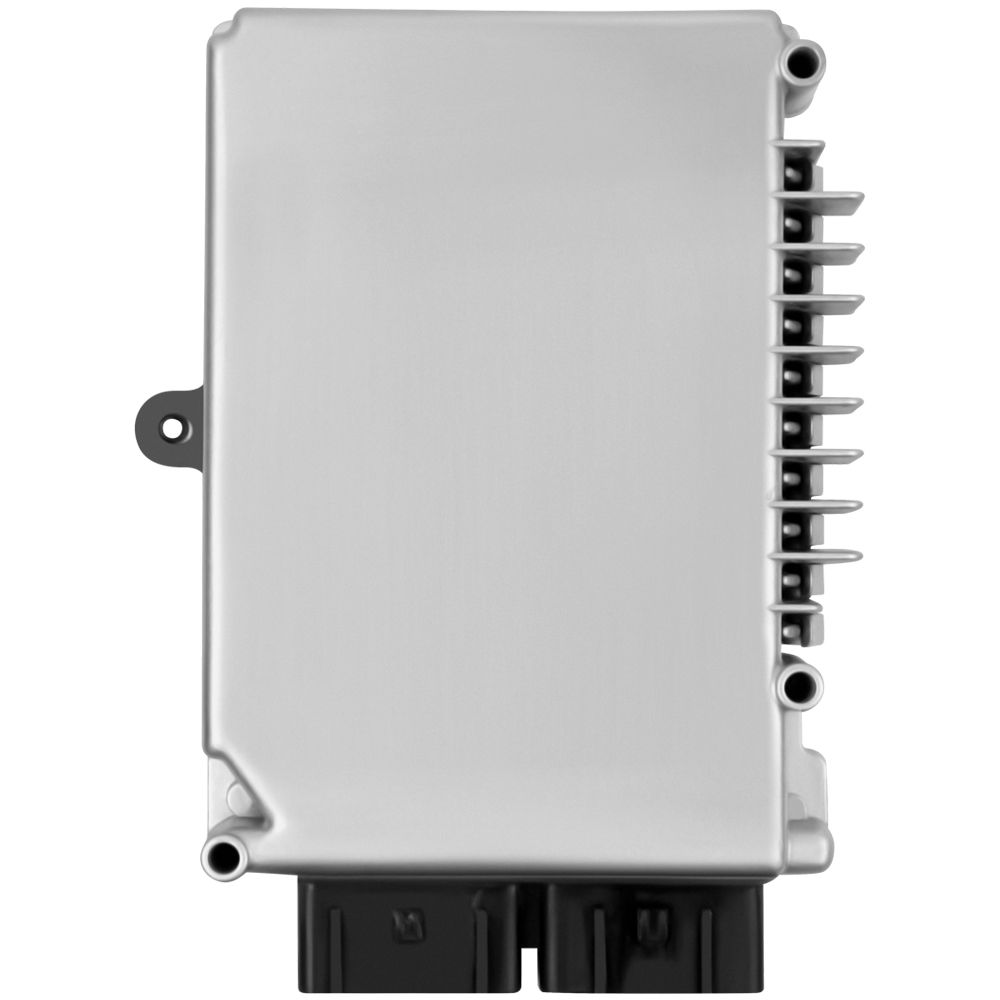
Flagship One stocks a refurbished, VIN-programmed PCM for the 1998 Plymouth Voyager with a lifetime warranty, free shipping and no core charge. The full Plymouth Voyager module lineup covers other engine configurations as well.
Restoring the electronic heart of your 1998 Plymouth Voyager is essential for maintaining a smooth ride and efficient fuel consumption. By identifying the correct symptoms and utilizing the proper labor guidelines, you can ensure a successful repair. Whether you are dealing with internal memory errors or programming failures, the right replacement module will bring your vehicle back to its optimal operating condition.