
Last updated on August 25th, 2026 at 12:27 pm
The engine control module in a 1988 Toyota Land Cruiser manages fuel delivery, ignition timing, and emission controls. When the unit fails, the engine may not start, run roughly, or trigger communication errors with diagnostic tools.
When a 1988 Toyota Land Cruiser begins to exhibit no‑start conditions, idle instability, or erratic power delivery, the engine control module (ECM) is a common culprit. Understanding how this computer governs fuel injection, ignition sequencing, and emissions helps you pinpoint the root cause and decide whether repair or replacement is warranted. This guide walks you through the module’s purpose, typical failure symptoms, and what to expect during a swap, so you can approach the issue with confidence and avoid unnecessary downtime.
1988 Toyota Land Cruiser
OEM programmed ECM for your 1988 Toyota Land Cruiser — plug & play, no dealer visit.
Free shipping · Lifetime warranty
In the 1988 Toyota Land Cruiser, the engine control module serves as the central processor that continuously monitors sensor inputs and commands fuel injectors, spark timing, and emission valves. By interpreting data from the throttle position sensor, coolant temperature sensor, and crankshaft position sensor, it ensures the engine operates within designed parameters for performance and emissions compliance. A reliable ECM is essential because any deviation can lead to fuel‑rich or lean conditions, misfires, or a complete loss of engine drive. When the unit deteriorates due to heat, moisture, or electrical stress, the vehicle may experience intermittent power loss, rough idle, or a total shutdown. For owners seeking a new unit, consider replacement engine control modules for the 1988 Toyota Land Cruiser that match factory specifications and include the necessary firmware.
The engine control module is mounted within the engine compartment, typically attached to the firewall or near the intake manifold on the 1988 Toyota Land Cruiser. Access usually requires removal of the air intake ducting and a few electrical connectors. Replacement involves disconnecting the battery, unplugging the module’s harness, unscrewing the mounting bolts, and installing the new unit in the same location. Reconnect the harness, secure the bolts to the specified torque, and reinstall any ducting removed during the process.
After installing a new ECM in a 1988 Toyota Land Cruiser, the factory procedure calls for a VIN‑specific calibration to align fuel maps and sensor thresholds with the vehicle’s original configuration. Flagship One supplies units that arrive already VIN‑programmed, so the on‑site calibration step is completed before the unit reaches you. This means you can typically finish the swap without additional programming equipment, as the a VIN-programmed replacement unit contains all necessary vehicle‑specific data.
Common signs of a failing engine control module in a 1988 Toyota Land Cruiser include a complete no‑start condition, erratic idle, sudden loss of power while driving, and frequent stalling. Drivers may also notice the check engine light illuminating without obvious sensor failures, or experience difficulty communicating with a scan tool, which can result in a blank display. In some cases, the vehicle may exhibit rough acceleration or unexpected shutdowns during gear changes, reflecting the module’s loss of precise fuel and ignition control.
The vehicle relies on the ECM for fuel and ignition control, so it will not operate correctly without a functional module. A replacement is required to restore normal operation.
Basic hand tools such as a socket set, torque wrench, and screwdrivers are sufficient. A scan tool may be useful for verifying communication after installation.
Factory guidelines call for VIN‑specific programming. Flagship One units arrive pre‑programmed, eliminating the need for on‑site coding steps.
If the engine cranks but does not fire, and you see a lit check‑engine light with no obvious sensor faults, the ECM is a likely suspect. A scan tool can confirm loss of communication.
A correctly programmed replacement should integrate seamlessly, preserving functions such as emission controls and idle stabilization without requiring additional adjustments.
When the engine control module in your 1988 Toyota Land Cruiser shows signs of failure, you can choose between a repaired original unit or a refurbished replacement. Both options restore the vehicle’s electronic management, but a refurbished module from Flagship One arrives VIN‑programmed, simplifying the install and reducing shop time. Consider your budget, expected mileage, and the convenience of a ready‑to‑install unit before deciding.
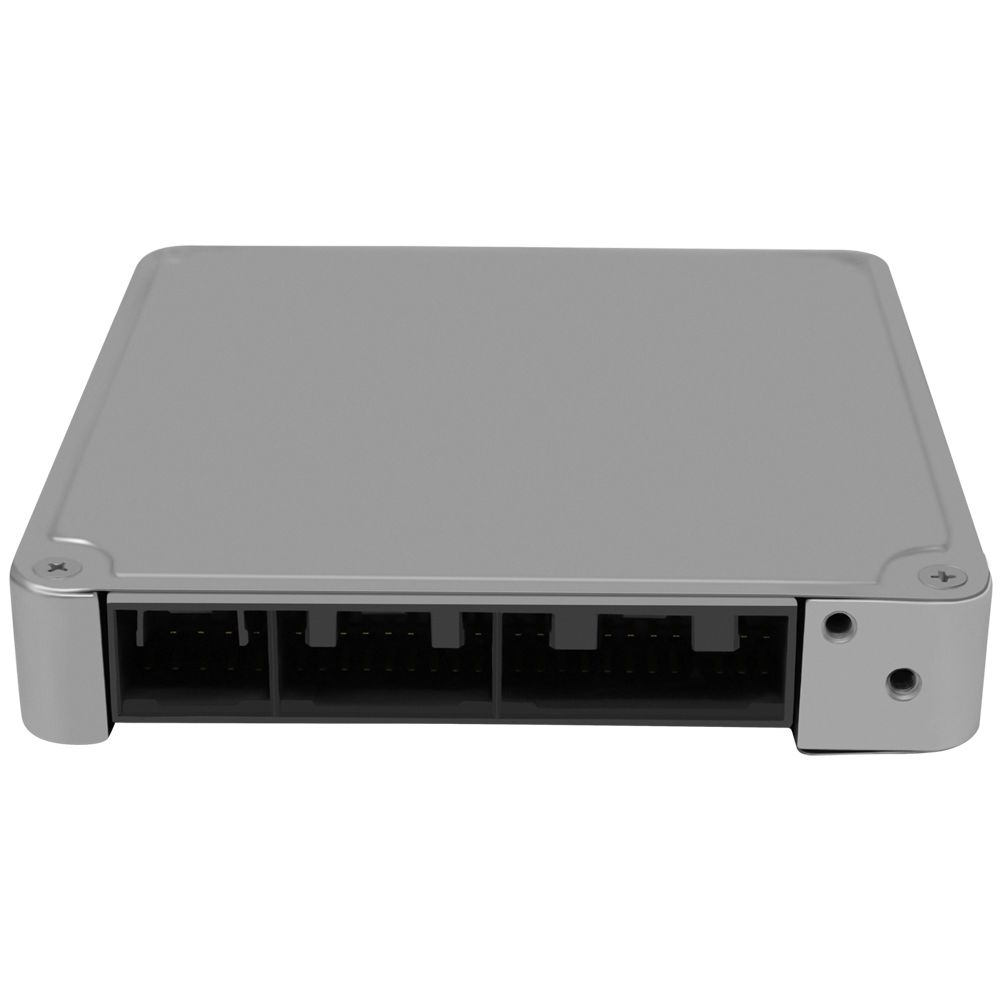
Flagship One stocks a refurbished, VIN-programmed ECM for the 1988 Toyota Land Cruiser with a lifetime warranty, free shipping and no core charge. The full Toyota Land Cruiser module lineup covers other engine configurations as well.
A faulty engine control module can leave a 1988 Toyota Land Cruiser stranded or running poorly. By understanding the symptoms and replacement process, you can make an informed choice and get back on the road with confidence. Explore a VIN‑programmed replacement to streamline the repair and keep your Land Cruiser performing as designed.