
Last updated on August 25th, 2026 at 12:28 pm
In the 2010 Pontiac G6, the powertrain control module (PCM) and engine control module (ECM) manage fuel, ignition, and transmission timing. Failure of either unit can cause erratic shifting, loss of power, or a no‑start condition, often flagged by internal fault codes.
When your 2010 Pontiac G6 begins to hesitate during downshifts or exhibits engine‑control warnings, the underlying issue often involves the PCM or ECM. Understanding how these modules function and what the factory recommends for removal, replacement, and programming can help you decide between a repair or a refurbished replacement. This guide outlines the essential procedures, labor estimates, and what you can expect after the work is completed.
The PCM in a 2010 Pontiac G6 acts as the brain for both engine and transmission, interpreting sensor data to control fuel delivery, ignition timing, and shift points. The ECM focuses on engine‑specific parameters such as air‑fuel mixture and emissions. Together they ensure smooth power delivery and compliance with emissions standards. Proper operation is critical because any malfunction can lead to performance loss or drivability complaints. The module replacement market includes engine computer replacement for G6 which offers a direct fit for this model.
The PCM and ECM are mounted within the engine bay, accessible after removing the intake assembly and disconnecting the battery. Replacing the ECM typically involves a removal and reinstall time of about one point four hours, while the PCM relearn step adds roughly half an hour. No torque specifications are provided, so follow standard fastener practices and ensure connectors are seated fully before securing the module.
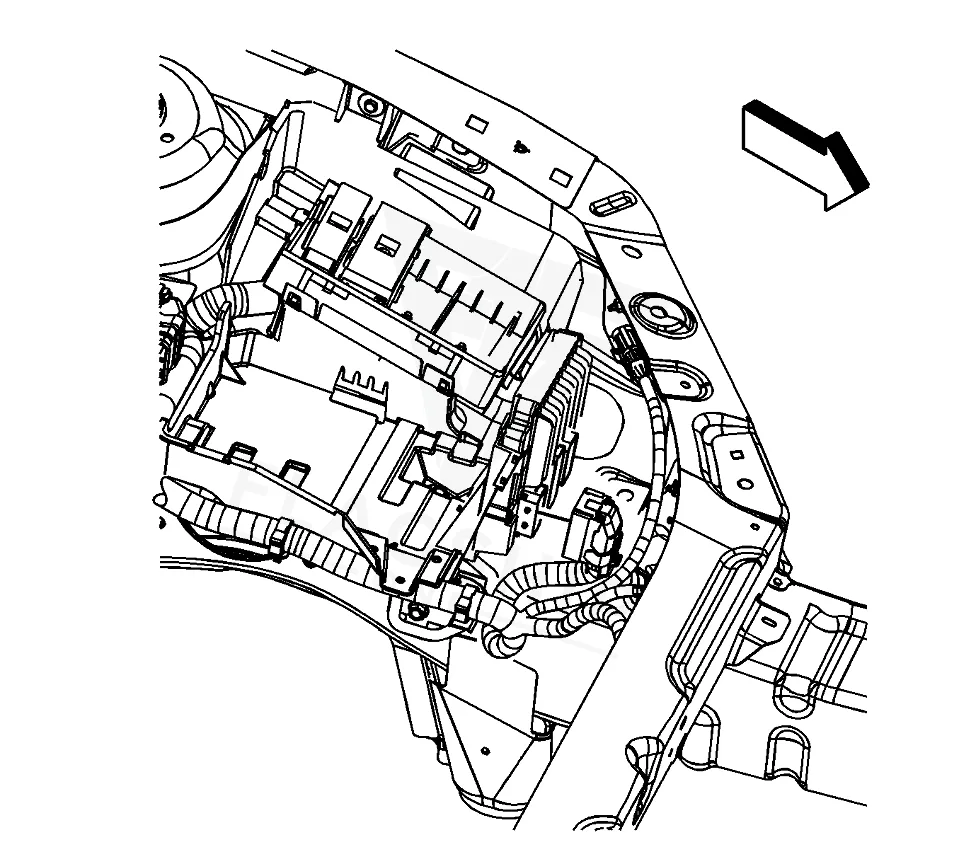
Work with the ignition off, and treat the module as static-sensitive: avoid touching the connector pins at any point.
| Operation | Configuration | Book Time |
|---|---|---|
| Powertrain Control Module Relearn | All configurations | 0.5 hr |
| Powertrain Control Module R&R | All configurations | 1.4 hr |
| Engine Control Module R&R | All configurations | 1.4 hr |
| Engine Control Module Reset | All configurations | 0.3 hr |
| Engine Control Module Relearn | All configurations | 0.5 hr |
2010 Pontiac G6
OEM programmed ECM for your 2010 Pontiac G6 — plug & play, no dealer visit.
Free shipping · Lifetime warranty
After installing a new module in the 2010 Pontiac G6, the factory procedure calls for a powertrain control module relearn of zero point five hours and an engine control module reset of zero point three hours, followed by a relearn of zero point five hours. Flagship One units arrive as a VIN-programmed replacement unit so those steps are already completed, eliminating the need for on‑site coding.
Typical signs of a failing PCM or ECM in a 2010 Pontiac G6 include delayed or harsh shifting, occasional stalling, and a no‑start condition when the engine control unit does not communicate. You may also see diagnostic trouble codes such as processor clock fault appear during a scan, indicating internal processor issues.
The following internal fault codes have been documented for the 2010 Pontiac G6 and may appear when the PCM or ECM is compromised:
Service bulletin #09-07-30-016 and its revision #09-07-30-016A address transmission hesitation, delayed shifting, and incorrect shift timing. The bulletin recommends reprogramming the transmission control module to resolve these symptoms, and it was issued on November 25, 2009.
| Bulletin | Subject | What It Addresses |
|---|---|---|
| 09-07-30-016 | Transmission Hesitation, Delayed Shifting, Shifting at Wrong Time (Reprogram TCM) – (Nov 25, 20 | Some customers may comment on transmission downshift hesitation, delayed shifting and shifting at the wrong |
The factory book time for removing and reinstalling the engine control module is about one point four hours.
A scan tool is required to capture ECM data before removal, and the relearn procedure itself follows the standard factory timing of half an hour.
A properly refurbished PCM that is VIN‑programmed should perform identically to a new unit and eliminates the need for post‑install coding.
When the PCM or ECM in your 2010 Pontiac G6 needs attention, you can choose a repair that restores the original hardware or opt for a refurbished replacement that meets factory specifications. Both paths require the same labor steps, but a refurbished unit from Flagship One arrives pre‑programmed, streamlining the installation.
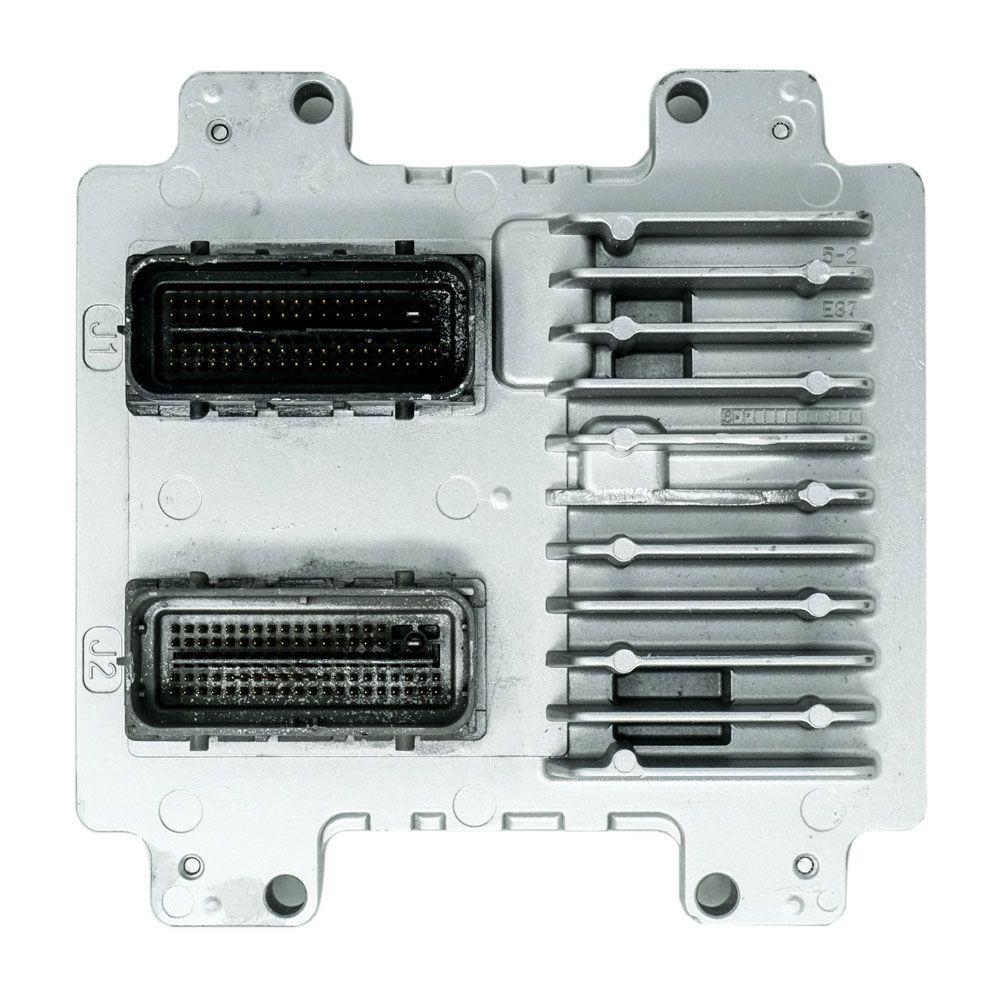
Flagship One stocks a refurbished, VIN-programmed PCM for the 2010 Pontiac G6 with a lifetime warranty, free shipping and no core charge. The full Pontiac G6 module lineup covers other engine configurations as well.
For owners of a 2010 Pontiac G6, addressing PCM or ECM issues promptly can restore smooth shifting and reliable engine performance. Consider a refurbished, VIN‑programmed replacement to simplify the process and get back on the road with confidence.