
Last updated on August 25th, 2026 at 12:28 pm
The Engine Control Module in your 2008 Pontiac G6 serves as the central computer managing fuel delivery, ignition timing, and emissions systems. When this module fails internally, it typically triggers one or more module-specific trouble codes and may leave the vehicle inoperable or runnable only in a limited capacity.
When your 2008 Pontiac G6 develops an engine drivability concern that resists conventional diagnosis, the root cause may lie within the Engine Control Module itself. This central computer manages critical engine functions, and internal failures can produce a range of symptoms from subtle performance changes to complete no-start conditions. Module failures differ from sensor or wiring problems because the fault exists within the computer’s internal circuitry rather than in external components. Understanding what these modules do, how they fail, and what replacement involves helps you make informed decisions about repair options. This guide covers the specific repair procedures, programming requirements, and common failure patterns for your G6.
The Engine Control Module in your Pontiac G6 serves as the primary computer responsible for managing engine operation. It continuously processes data from numerous sensors to calculate optimal fuel injection pulse width, spark timing, and emissions control system behavior. This module also houses the Powertrain Control Module functions, making it the single critical unit for engine management. When internal circuitry or memory within the ECM degrades, the module loses its ability to perform these calculations correctly, potentially causing drivability problems or triggering multiple unrelated trouble codes. Replacement engine computers for the Pontiac G6 must be matched to your vehicle’s specific calibration and programmed with your VIN to restore proper functionality.
Flagship One keeps Pontiac G6 replacement engine computers in stock for exactly this failure pattern.
The Engine Control Module in your 2008 Pontiac G6 is located in the engine compartment, though the exact mounting position varies by specific configuration. Replacement involves removing the old unit and installing the new module, with book time of 1.4 hours allocated for the removal and installation procedure. Before beginning work, the factory cautions specify using a scan tool to capture the existing ECM data for transfer to the replacement unit. After the new module is physically installed, you must reconnect the negative battery cable as part of the reinstallation process. The module itself is secured with fasteners, and proper reconnection of all electrical connectors is essential for operation.
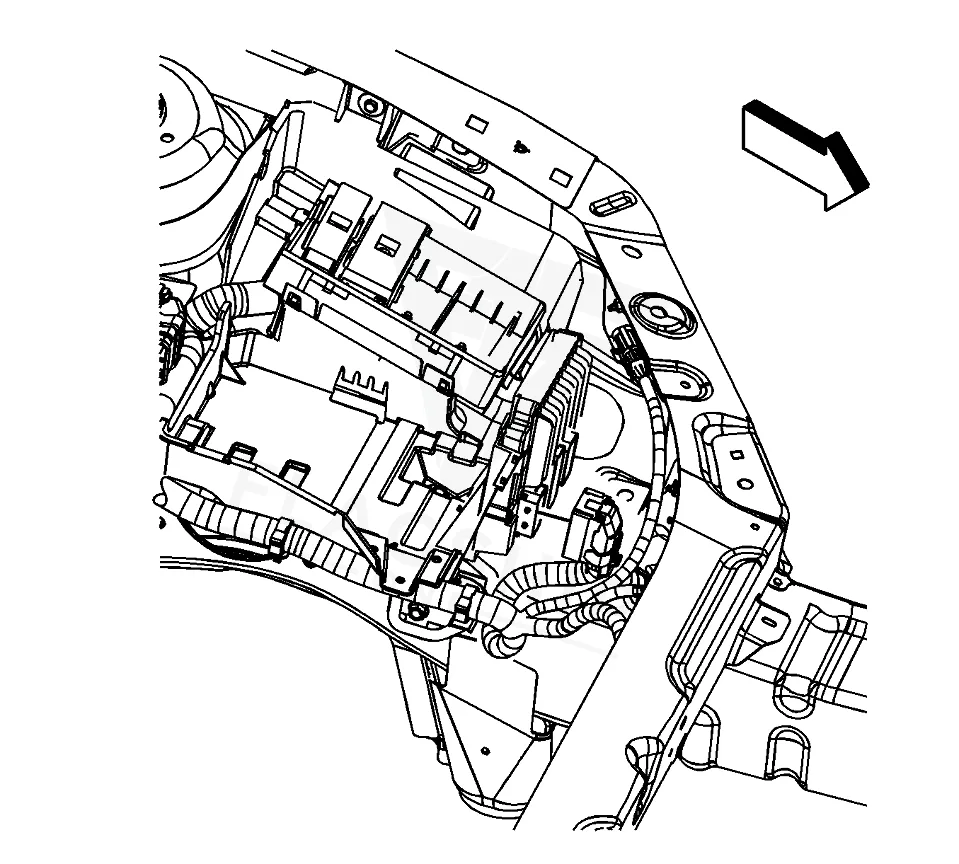
Work with the ignition off, and treat the module as static-sensitive: avoid touching the connector pins at any point.
| Operation | Configuration | Book Time |
|---|---|---|
| Powertrain Control Module Relearn | All configurations | 0.5 hr |
| Powertrain Control Module R&R | All configurations | 1.4 hr |
| Engine Control Module R&R | All configurations | 1.4 hr |
| Engine Control Module Reset | All configurations | 0.3 hr |
| Engine Control Module Relearn | All configurations | 0.5 hr |
2008 Pontiac G6
OEM programmed ECM for your 2008 Pontiac G6 — plug & play, no dealer visit.
Free shipping · Lifetime warranty
After installing a replacement Engine Control Module in your Pontiac G6, the factory procedure requires reprogramming the new unit to match your vehicle. The original data captured from the old module must be restored into the replacement ECM to ensure proper vehicle operation. Additionally, the module requires relearn procedures to adapt to your specific drivetrain characteristics. Flagship One units arrive pre-programmed with your vehicle identification number, which eliminates the need for you to perform the VIN programming step at the time of installation.
Every VIN-programmed replacement unit from Flagship One arrives with these steps already completed.
When the Engine Control Module in your 2008 Pontiac G6 begins to fail internally, you may experience several distinct symptoms. The vehicle might fail to start entirely, or it could start and then stall unexpectedly during operation. Misfire conditions often develop, triggering multiple random cylinder misfire codes that do not respond to spark plug or ignition component replacement. Scan tool communication with the module may become intermittent or fail completely, preventing diagnostic access. Transmission shifting problems can occur when the module cannot properly communicate with the transmission control system. These symptoms often develop gradually and may be accompanied by stored fault codes indicating internal module problems such as memory checksum failures or calibration corruption. When your G6 displays P0601: internal memory failure symptoms, professional diagnosis is recommended before assuming the module is at fault.
The 2008 Pontiac G6 with this powertrain configuration may store module-internal trouble codes when the Engine Control Module detects internal faults. These codes specifically indicate problems within the module’s own memory or processing systems rather than faults in external sensors or wiring. Codes P0601 through P1621 represent various categories of internal failures including read-only memory errors, calibration memory issues, and processor malfunction flags.
Factory service bulletins affecting the Engine Control Module in your 2008 Pontiac G6 include bulletin PIP4224B, which addresses cancellation of an E-37 Engine Control Module part restriction from April 2008. This bulletin indicates that at one time, General Motors restricted availability of certain replacement ECMs, affecting repair options for some failures. Additionally, bulletin PI0777 from August 2012 covers an Oil Life Monitor calibration update requiring ECM reprogramming for certain vehicles in this model year range. This bulletin demonstrates that ECM updates may be necessary even when the module itself is functioning, as software calibration changes can improve system operation.
| Bulletin | Subject | What It Addresses |
|---|---|---|
| — | Cancellation of E-37 Engine Control Module (ECM) Part Restriction – (Apr 4, 2008) | — |
| — | Oil Life Monitor Calibration Update – Reprogram Engine Control Module – (Aug 3, 2012) | — |
No, the replacement Engine Control Module must be programmed with your vehicle identification number and appropriate calibration data to operate. Without proper programming, the engine will not start or run correctly.
Yes, an internally failing Engine Control Module commonly triggers multiple unrelated trouble codes across different systems because the module loses its ability to properly process sensor inputs and calculate correct outputs.
Without the captured data from the original module, you lose vehicle-specific adaptation values and learned parameters that help your G6 run optimally. While a new module will function, it may require extended relearn time and may not perform quite as precisely without the original data.
Engine Control Module failures in the 2008 Pontiac G6 require careful consideration of repair versus replacement options. If diagnostic testing confirms an internal module fault, a genuine remanufactured replacement programmed with your VIN offers a cost-effective solution. Refurbished units from qualified suppliers arrive ready for installation, reducing the time your vehicle spends in the shop. Whether you pursue dealer service or independent repair, ensuring the replacement module is properly matched and programmed to your specific vehicle remains essential for reliable operation.
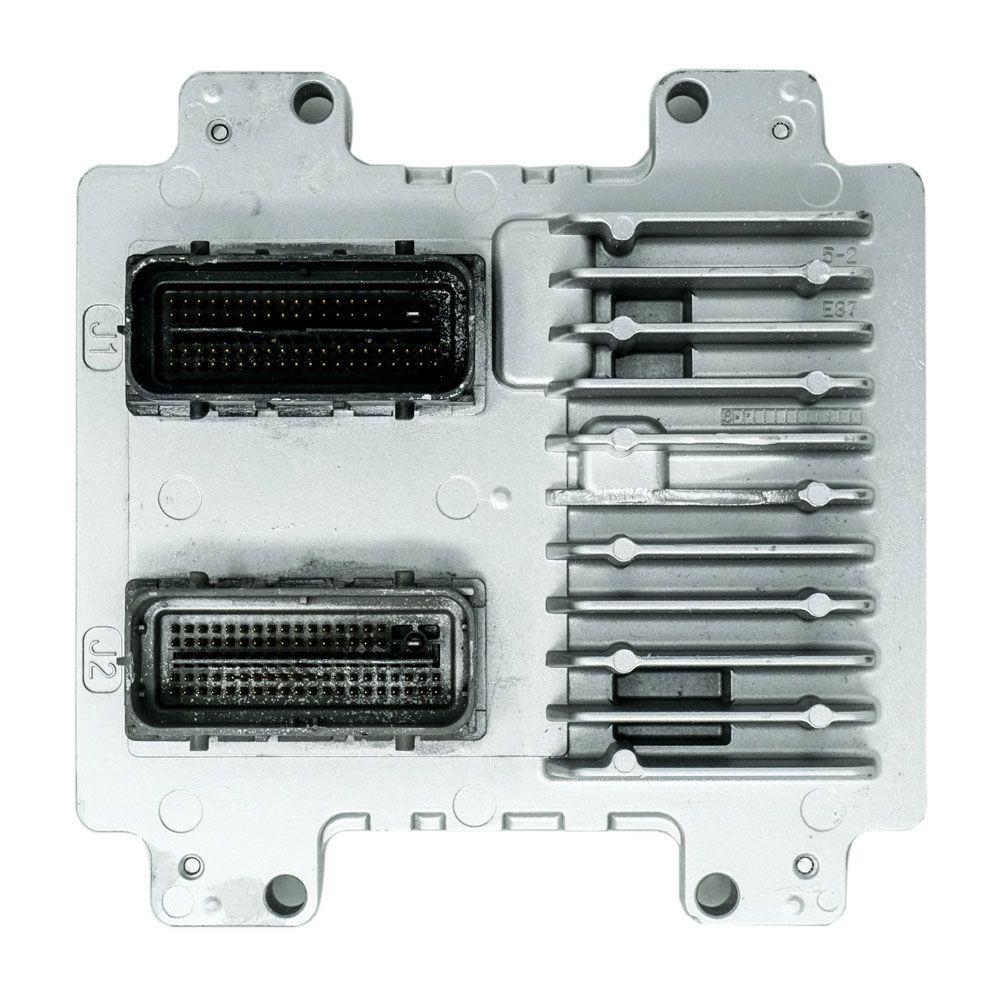
Flagship One stocks a refurbished, VIN-programmed PCM for the 2008 Pontiac G6 with a lifetime warranty, free shipping and no core charge. The full Pontiac G6 module lineup covers other engine configurations as well.
The Engine Control Module in your 2008 Pontiac G6 represents a critical component that manages all major engine functions. Internal failures produce distinctive symptoms and trouble codes that distinguish them from conventional sensor or wiring problems. Proper replacement requires attention to factory procedures including data capture and post-installation programming. Understanding these requirements helps you evaluate repair options and communicate effectively with service providers.