
Last updated on August 25th, 2026 at 12:43 pm
In the 2006 Lincoln LS, the Powertrain Control Module (PCM) and Engine Control Module (ECM) manage fuel delivery, ignition timing, and emissions. A failure typically disables engine management, leading to no‑start conditions, rough idle, or loss of diagnostic communication, because the vehicle can no longer regulate critical engine functions.
When a 2006 Lincoln LS experiences intermittent power loss, unexpected stalling, or refuses to start, the underlying cause often traces back to the vehicle’s core computer systems. The Powertrain Control Module and Engine Control Module act as the brain of the engine, interpreting sensor data and directing actuators. Understanding how these modules function, what labor is involved in their removal and replacement, and the programming that follows can help you decide whether a repair or a refurbished replacement best suits your needs. This guide walks you through the essential facts so you can evaluate the scope of work, anticipate the required shop time, and recognize the benefits of a VIN‑matched unit from Flagship One.
2006 Lincoln LS
OEM programmed ECM for your 2006 Lincoln LS — plug & play, no dealer visit.
Free shipping · Lifetime warranty
The Powertrain Control Module in the 2006 Lincoln LS coordinates engine and transmission inputs to achieve smooth acceleration and emissions compliance. It receives data from sensors such as the crankshaft position, throttle position, and knock sensors, then commands fuel injectors, spark timing, and shift points. The Engine Control Module focuses on managing combustion events, adjusting fuel mixture, and monitoring emissions controls. Both modules share the same communication bus, so a failure in one often disables the other, leading to loss of engine control. Because the LS relies heavily on precise timing, a malfunction can cause no‑start or erratic power delivery. Proper operation of these computers is essential for meeting fuel‑economy targets and maintaining drivability. Selecting replacement engine control module that matches the vehicle’s specifications helps ensure the system restores to factory performance levels.
The PCM and ECM in the 2006 Lincoln LS are mounted within the engine compartment, accessible after disconnecting the battery and removing the necessary covers. Removing each module typically requires about 1.4 hours of labor according to the factory book. The process includes unplugging the wiring harnesses, unbolting the mounting brackets, and extracting the unit. Installation reverses these steps, followed by a 0.5‑hour relearn procedure for the ECM to synchronize with the vehicle’s sensors. No additional torque specifications are provided in the source data, so standard factory fastener values should be observed during reassembly.
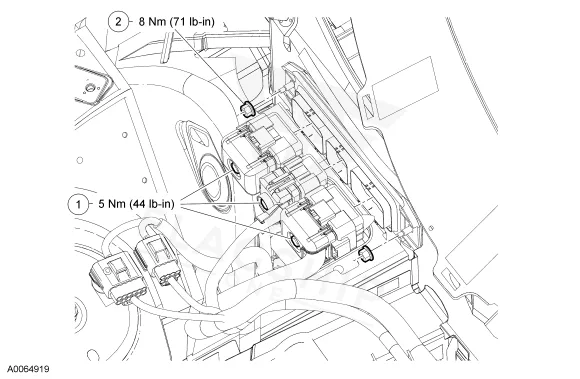
Work with the ignition off, and treat the module as static-sensitive: avoid touching the connector pins at any point.
| Operation | Configuration | Book Time |
|---|---|---|
| Powertrain Control Module R&R | All configurations | 1.4 hr |
| Engine Control Module R&R | All configurations | 1.4 hr |
| Engine Control Module Relearn | All configurations | 0.5 hr |
After the PCM or ECM is installed, the factory procedure calls for reprogramming the passive anti‑theft system (PATS) to recognize the new computer and enable key authentication. This step normally involves a dealer‑level scan tool to write the vehicle‑specific encryption keys. With Flagship One, the replacement arrives as a VIN‑programmed replacement unit that already contains the correct PATS data, so the post‑install programming is effectively completed at the time of shipment. This eliminates the need for an additional dealer visit to perform the anti‑theft reflash, reducing overall downtime.
When the PCM or ECM fails in a 2006 Lincoln LS, owners may notice the engine cranking but not firing, frequent stalling at idle, rough acceleration, or a complete loss of power. Diagnostic trouble codes often appear, and the scan tool may lose communication with the vehicle’s control network. In some cases, the transmission may shift harshly or remain locked in a single gear because the PCM can no longer command shift solenoids. These symptoms reflect the modules’ role in orchestrating engine timing, fuel delivery, and transmission coordination.
The PCM removal and installation require about 1.4 hours of labor and involve disconnecting high‑voltage circuits. While a skilled DIYer could perform the steps, improper handling may damage the module or void warranties.
After installing a new ECM, the factory recommends a 0.5‑hour relearn cycle where the vehicle’s computer synchronizes sensor data. This is typically done with a scan tool that initiates the relearn mode.
If you use a Flagship One VIN‑programmed unit, the PATS data is preloaded, eliminating the need for a dealer‑performed reflash.
Common codes include communication loss codes and sensor mismatches, which appear when the PCM cannot process inputs correctly.
When installed correctly and protected from voltage spikes, a refurbished ECM can provide service comparable to a new unit for many thousands of miles.
When the PCM or ECM in your 2006 Lincoln LS requires attention, you can choose a repair of the existing unit or install a refurbished replacement. A Flagship One module arrives VIN‑matched and ready for immediate use, which can shorten shop time and avoid additional programming steps. Weigh the cost of a repaired stock part against the reliability of a tested, pre‑programmed replacement to decide the best path forward for your vehicle.
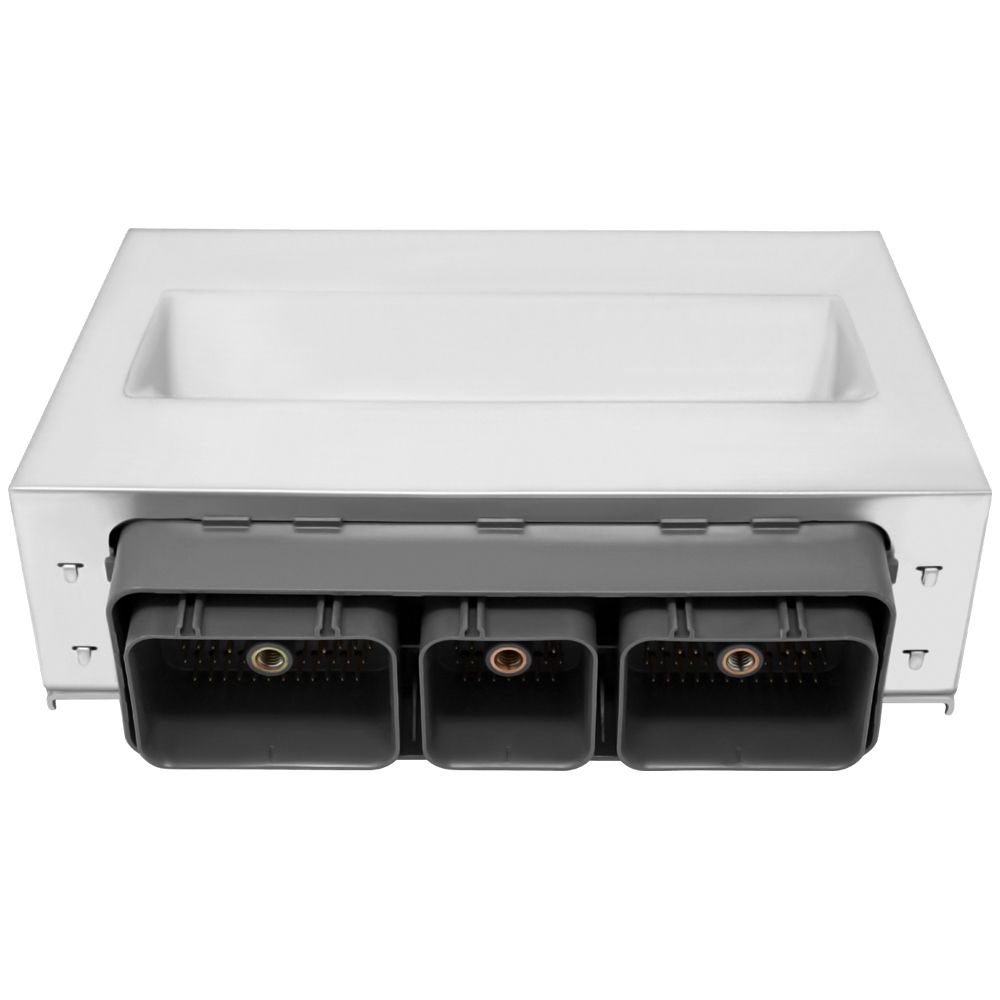
Flagship One stocks a refurbished, VIN-programmed PCM for the 2006 Lincoln LS with a lifetime warranty, free shipping and no core charge. The full Lincoln LS module lineup covers other engine configurations as well.
The 2006 Lincoln LS relies on its PCM and ECM for reliable engine performance. Whether you repair the original computers or install a Flagship One VIN‑programmed replacement, addressing the issue promptly will restore drivability and keep the vehicle operating as intended.