
Last updated on August 25th, 2026 at 12:45 pm
The Engine Control Module (ECM) in the 2017 Dodge Viper manages fuel delivery, ignition timing, and emissions systems. Failure may cause drivability issues, poor performance, or complete engine shutdown.
If your 2017 Dodge Viper suddenly refuses to start, stalls unexpectedly, or triggers a check engine light with an internal control module code, the Engine Control Module (ECM) may be failing. This compact computer sits at the heart of your Viper’s performance, governing fuel injection, spark timing, and emissions systems. When it malfunctions, the symptoms can range from subtle drivability quirks to complete engine shutdown. Replacing the ECM isn’t just about swapping a box—it involves precise labor steps and post-install programming to restore full functionality. Understanding the process helps you anticipate repair costs and avoid unnecessary dealer visits. With the right replacement unit, you can skip the extra programming steps and get your Viper back on the road with minimal downtime.
The Engine Control Module in your 2017 Dodge Viper serves as the brain of the powertrain, continuously monitoring sensors and adjusting engine parameters for optimal performance. This module processes data from the crankshaft position sensor, oxygen sensors, and throttle position sensor to calculate precise fuel delivery and ignition timing. It also manages emissions systems, ensuring your Viper meets regulatory standards without sacrificing power. When the ECM fails, it may disrupt communication with other control modules, leading to erratic engine behavior or a complete no-start condition. Replacement involves sourcing a compatible unit, and in the case of the Viper, you’ll want to consider replacement engine computers for the Dodge Viper to ensure proper fitment and functionality. The ECM’s role is particularly critical in high-performance vehicles like the Viper, where precise air-fuel ratios and timing directly impact throttle response and power output.
2017 Dodge Viper
OEM programmed ECM for your 2017 Dodge Viper — plug & play, no dealer visit.
Free shipping · Lifetime warranty
In the 2017 Dodge Viper, the Engine Control Module is located in the engine bay, typically mounted on the passenger side near the firewall. Accessing the module requires removing the plastic engine cover and possibly disconnecting nearby wiring harnesses. The replacement process is straightforward but precise: you’ll need to disconnect the battery, unplug the electrical connectors, and remove the mounting bolts securing the ECM. The labor time for Engine Control Module removal and reinstallation is 0.5 hours, according to factory service manuals. After installing the new unit, you’ll need to reconnect the wiring and ensure all connectors are securely fastened to prevent moisture intrusion or electrical issues. The module’s location makes it vulnerable to heat and vibration, which can contribute to long-term wear.
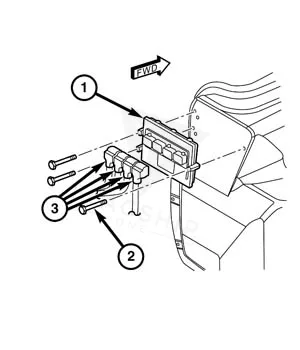
Work with the ignition off, and treat the module as static-sensitive: avoid touching the connector pins at any point.
| Operation | Configuration | Book Time |
|---|---|---|
| Engine Control Module Relearn | All configurations | 0.5 hr |
| Engine Control Module R&R | All configurations | 0.5 hr |
| Powertrain Control Module Relearn | All configurations | 0.5 hr |
| Powertrain Control Module R&R | All configurations | 0.5 hr |
After replacing the Engine Control Module in your 2017 Dodge Viper, the factory procedure requires reprogramming the radio and clock to restore full functionality. This step ensures the new module communicates properly with the vehicle’s infotainment system and other control modules. Without reprogramming, you may experience issues with audio settings, clock synchronization, or even warning messages on the dashboard. Flagship One provides a VIN-programmed replacement unit that arrives ready to install, eliminating the need for additional dealer programming. This saves you time and avoids the hassle of scheduling a separate service appointment for reprogramming. The pre-programmed unit ensures your Viper’s systems operate seamlessly from the moment you start the engine.
A failing Engine Control Module in the 2017 Dodge Viper may produce a range of symptoms that affect drivability and performance. Common signs include intermittent stalling, especially at idle or during deceleration, and difficulty starting the engine. You might also notice poor throttle response, reduced power, or erratic shifting if the module fails to communicate with the transmission control unit. In some cases, the check engine light will illuminate, and a scan tool may retrieve an internal module fault like an internal processor error. Other symptoms can include rough idling, misfires, or even a complete loss of communication with the ECM during diagnostic testing. Since the Viper relies on precise engine management for its high-performance capabilities, any of these symptoms should be addressed promptly to avoid further drivability issues.
The 2017 Dodge Viper may store specific trouble codes when the Engine Control Module experiences internal faults. These codes help technicians diagnose the root cause of drivability issues and determine whether the module needs replacement or reprogramming.
| Code | Meaning | Full Guide |
|---|---|---|
| P0606 | Module processor failure | Full P0606 guide → |
Common signs include stalling, no-start conditions, poor throttle response, or a check engine light with an internal module code. A diagnostic scan can confirm if the ECM is the root cause of the issue.
Driving with a failing ECM may lead to unpredictable engine behavior, including stalling or loss of power. It’s best to address the issue promptly to avoid being stranded or causing further damage.
ECM failure can result from voltage spikes, moisture intrusion, excessive heat, or internal component wear. Poor electrical connections or a weak charging system may also contribute to premature failure.
Yes, the factory procedure requires reprogramming the radio and clock after ECM replacement. However, a VIN-programmed replacement unit from Flagship One eliminates this step, saving time and effort.
The labor time for ECM removal and reinstallation is 0.5 hours. If reprogramming is required, additional time may be needed, but a pre-programmed unit avoids this step.
When your 2017 Dodge Viper’s ECM fails, you have options for replacement. A new unit from the dealer may require additional programming, adding time and cost to the repair. Alternatively, a refurbished or remanufactured ECM from a trusted supplier can provide a cost-effective solution. For the Viper, choosing a VIN-programmed unit ensures a seamless installation without the need for extra dealer visits, getting you back on the road faster.
Flagship One stocks a refurbished, VIN-programmed PCM for the 2017 Dodge Viper with a lifetime warranty, free shipping and no core charge. The full Dodge Viper module lineup covers other engine configurations as well.
The Engine Control Module plays a critical role in your 2017 Dodge Viper’s performance and drivability. If you’re experiencing symptoms like stalling, no-start conditions, or internal module codes, addressing the issue promptly can prevent further complications. With the right replacement unit and proper installation, you can restore your Viper’s reliability and enjoy its high-performance capabilities once again.