
Last updated on August 25th, 2026 at 12:16 pm
In the 2015 Dodge Viper, the engine control module (ECM) and powertrain control module (PCM) manage fuel delivery, ignition timing, and transmission shifting. A failure in either unit can disrupt engine management, trigger diagnostic codes, and cause loss of power or stalling.
When a 2015 Dodge Viper experiences erratic powertrain behavior, the underlying cause often traces back to its electronic control modules. Understanding how the ECM and PCM operate, where they sit, and what post‑install procedures are required can save you time and prevent repeated service visits. This guide walks you through the basics of these modules, outlines the typical labor involved, and explains why a proper relearn is essential after any replacement. By the end, you will know what to expect during a repair and how Flagship One units simplify the process.
The engine control module in the 2015 Dodge Viper orchestrates fuel injection, spark timing, and emissions control, while the powertrain control module governs transmission shift points and torque delivery. Both units exchange data continuously to keep the 8.4‑liter V10 running smoothly. A malfunction can lead to misfires, harsh shifts, or a complete loss of driveability, making reliable module performance crucial for this high‑performance sports car. The vehicle relies on precise calibration, so any deviation may trigger protective strategies that limit power. For owners seeking a swap, replacement engine control modules for the 2015 Dodge Viper provide a direct fit and maintain the factory‑specified communication protocols.
2015 Dodge Viper
OEM programmed ECM for your 2015 Dodge Viper — plug & play, no dealer visit.
Free shipping · Lifetime warranty
The ECM and PCM are mounted within the engine bay, accessible after removing a few fasteners and disconnecting the primary harness. Removal typically takes about 0.5 hours, as does reinstall, according to the labor guide. The process involves securing the module with the specified torque, reconnecting the electrical connector, and ensuring the mounting bracket is properly seated. No additional torque values are listed, so standard practice is to follow the manufacturer’s bolt pattern. Once the new unit is in place, the vehicle is ready for the required relearn steps.
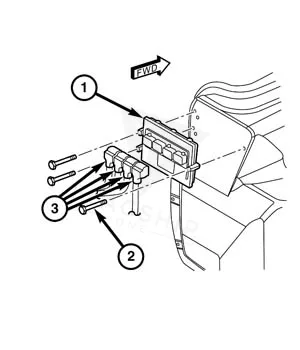
Work with the ignition off, and treat the module as static-sensitive: avoid touching the connector pins at any point.
| Operation | Configuration | Book Time |
|---|---|---|
| Engine Control Module Relearn | All configurations | 0.5 hr |
| Engine Control Module R&R | All configurations | 0.5 hr |
| Powertrain Control Module Relearn | All configurations | 0.5 hr |
| Powertrain Control Module R&R | All configurations | 0.5 hr |
After installing a new ECM or PCM in the 2015 Dodge Viper, the factory procedure calls for a relearn of the module’s calibration data and a reprogramming of the radio and clock settings. Flagship One supplies a VIN-programmed replacement unit that arrives already coded to the vehicle, eliminating the need for separate programming passes. The technician only needs to complete the standard relearn sequence, which typically takes about half an hour per module.
A failing ECM or PCM in the 2015 Dodge Viper may manifest as a no‑start condition, rough idle, unexpected stalling, or erratic transmission shifts. Drivers might also notice the check engine light illuminated with diagnostic trouble codes, including internal module communication failure. In severe cases, the scan tool may lose communication with the vehicle, preventing any live data readout. These symptoms often worsen under load, such as during aggressive acceleration, reflecting the modules’ central role in engine and transmission control.
The following internal trouble codes are documented for the 2015 Dodge Viper’s control modules:
| Code | Meaning | Full Guide |
|---|---|---|
| P0606 | Module processor failure | Full P0606 guide → |
Service bulletin #18‑108‑15 addresses powertrain diagnostic and system enhancements for the 8.4L engine, providing updated software and calibration guidance to improve module communication and performance.
| Bulletin | Subject | What It Addresses |
|---|---|---|
| 18-108-15 | Service Bulletins/Recalls • 18 – Vehicle Performance • Flash: 8.4l Powertrain Diagnostic and Sy | — |
The labor guide estimates about half an hour for removal and another half hour for installation, totaling roughly one hour of work.
Both the ECM and PCM each require their own relearn procedure, each taking about 0.5 hours according to the factory instructions.
Bulletin #18‑108‑15 provides diagnostic enhancements for the 8.4L powertrain, updating software to improve module communication and overall performance.
In some cases, resetting the module and performing a relearn may clear the code, but persistent communication faults often require a module replacement.
Flagship One units arrive VIN‑programmed, so the technician only needs to run the standard relearn; no additional flashing or coding is necessary.
When the ECM or PCM fails in a 2015 Dodge Viper, you can choose a brand‑new factory‑spec unit or a refurbished replacement that meets the same performance standards. Both options require the same half‑hour relearn, but a Flagship One part arrives pre‑programmed to match your VIN, reducing shop time and potential errors. Consider your budget and the vehicle’s usage to decide which path best fits your needs.
Flagship One stocks a refurbished, VIN-programmed PCM for the 2015 Dodge Viper with a lifetime warranty, free shipping and no core charge. The full Dodge Viper module lineup covers other engine configurations as well.
The 2015 Dodge Viper’s ECM and PCM are vital to its high‑performance operation, and proper relearn steps ensure reliable power delivery. Whether you opt for a new or refurbished module, following the outlined procedures will help keep your Viper on the road. For further assistance, consult a qualified technician familiar with Flagship One components.