
Last updated on August 25th, 2026 at 12:49 pm
In the 1999 Dodge Stratus, the Powertrain Control Module (PCM) and Engine Control Module (ECM) act as the vehicle’s central computers, interpreting sensor data to manage fuel delivery, ignition timing, and transmission shifting. When either module fails, the engine may not start, run roughly, or trigger a range of diagnostic trouble codes, indicating a loss of control over critical powertrain functions.
When a 1999 Dodge Stratus begins to exhibit erratic engine behavior, loss of power, or transmission shift problems, the underlying cause often points to the vehicle’s computer modules. Understanding how the Powertrain Control Module (PCM) and Engine Control Module (ECM) operate, and what steps are required after replacement, can help you avoid unnecessary downtime. This guide walks you through the function of these modules, the typical labor involved in removal and reinstall, the factory programming requirements, and the practical steps you can take to keep the system healthy. By the end, you should feel confident in evaluating a repair versus a refurbished replacement, and you’ll know exactly what to expect from a professional service.
1999 Dodge Stratus
OEM programmed ECM for your 1999 Dodge Stratus — plug & play, no dealer visit.
Free shipping · Lifetime warranty
The PCM in the 1999 Dodge Stratus serves as the brain for both engine and transmission, processing inputs from sensors to control fuel injection, ignition timing, and shift points. The ECM performs a similar role focused on engine management, ensuring optimal performance across speed ranges. Together, they maintain emissions compliance and driveability. Because the vehicle relies on precise data, any failure can lead to rough idle, loss of power, or shift anomalies. Proper operation is essential for fuel economy and emissions. The modules also store calibration data that must match the vehicle’s VIN and mileage, making accurate programming a critical step after any replacement. replacement powertrain control modules for the 1999 Dodge Stratus ensure the vehicle’s control strategy aligns with factory specifications.
The PCM and ECM are mounted within the engine compartment, typically secured to the firewall or near the intake manifold. Access usually requires removal of a few fasteners and disconnecting the wiring harness. The book times indicate that removal and replacement of the PCM takes about 0.4 hours, while the relearn procedure adds another 0.5 hours. The ECM follows the same pattern, with 0.4 hours for removal and 0.5 hours for relearn. No torque specifications are listed, so standard factory fastener torque should be applied when reinstalling. After the module is seated, reconnect the harness, verify secure mounting, and proceed to the programming step.
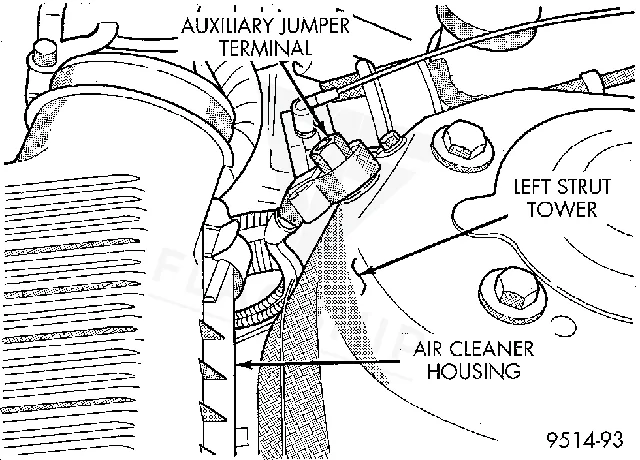
Work with the ignition off, and treat the module as static-sensitive: avoid touching the connector pins at any point.
| Operation | Configuration | Book Time |
|---|---|---|
| Powertrain Control Module Relearn | All configurations | 0.5 hr |
| Powertrain Control Module R&R | All configurations | 0.4 hr |
| Engine Control Module Relearn | All configurations | 0.5 hr |
| Engine Control Module R&R | All configurations | 0.4 hr |
Factory guidelines state that after installing a new PCM or ECM, the technician must use the DRB scan tool to reprogram the unit with the vehicle’s original VIN and mileage. This ensures the module’s internal tables match the exact vehicle identity. Flagship One replacement units arrive already VIN‑programmed, so the reprogramming step is effectively completed at the factory. a VIN‑programmed replacement unit eliminates the need for on‑site entry, reducing the chance of data entry errors and shortening overall labor time.
When the PCM or ECM in a 1999 Dodge Stratus begins to malfunction, owners may notice a range of issues. A common sign is a no‑start condition, where the engine cranks but fails to fire because the computer cannot command fuel injection. Stalling at idle or under load often accompanies misfire codes, while erratic transmission shifting may indicate PCM‑related problems. Diagnostic trouble codes can appear, such as P0601, which signals a internal control module communication fault. internal control module communication fault may be logged when the PCM loses sync with the ECM, leading to a loss of driveability. Other symptoms include rough idle, reduced fuel efficiency, and the illumination of the check‑engine light.
Service bulletin #08-030-06 Rev. A outlines the Powertrain Control Module Initialization procedure for this model, providing guidance on proper reprogramming after replacement.
| Bulletin | Subject | What It Addresses |
|---|---|---|
| 08-030-06 Rev. A | 08-030-06 Rev. A Powertrain Control Module Initialization | — |
The book time for removing and reinstalling the PCM is about 0.4 hours, with an additional 0.5 hours for the relearn procedure.
Factory procedure requires VIN and mileage entry using a DRB scan tool, but Flagship One units arrive pre‑programmed, eliminating that step.
Yes, because the PCM controls shift timing, a malfunction can lead to harsh or delayed shifts, especially under load.
P0601 points to an internal control module communication fault, often related to PCM‑ECM data exchange issues.
Bulletin #08-030-06 Rev. A covers the Powertrain Control Module Initialization for the 1999 Dodge Stratus.
When the PCM or ECM in your 1999 Dodge Stratus requires attention, you can choose a new factory‑programmed unit or a refurbished replacement that meets the same specifications. Both options involve similar removal and relearn steps, but a Flagship One unit arrives VIN‑programmed, simplifying the post‑install process. Evaluate the condition of the existing module, consider warranty coverage, and select the path that aligns with your repair timeline and budget.
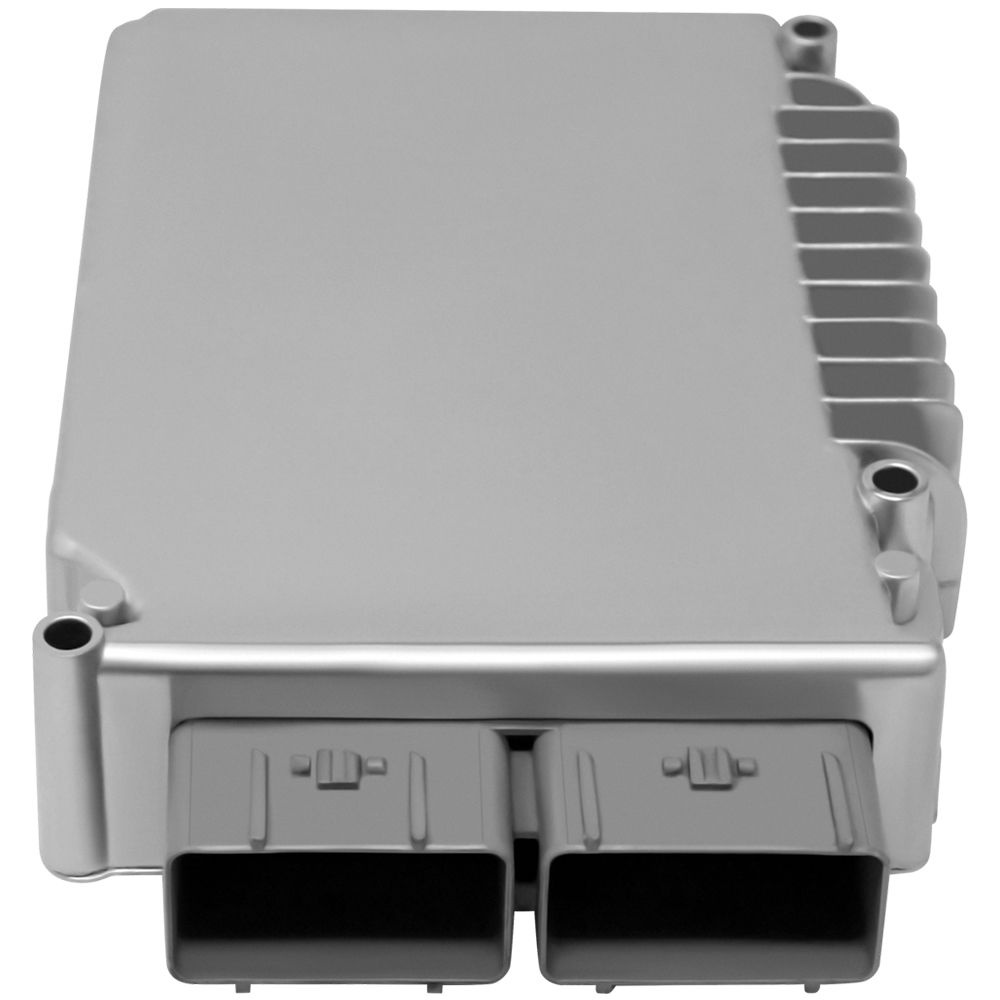
Flagship One stocks a refurbished, VIN-programmed PCM for the 1999 Dodge Stratus with a lifetime warranty, free shipping and no core charge. The full Dodge Stratus module lineup covers other engine configurations as well.
The 1999 Dodge Stratus relies on its PCM and ECM for smooth operation, and proper handling during replacement is essential. Whether you opt for a new or refurbished unit, following the factory relearn steps will help restore performance. Contact a qualified technician to assess your specific situation and ensure a reliable repair.