
Last updated on August 25th, 2026 at 12:49 pm
The Powertrain Control Module (PCM) in your 1998 Dodge Stratus manages engine and transmission functions by processing sensor data. Failures may cause erratic performance, no-start conditions, or transmission shifting issues, often triggered by voltage spikes or corrosion.
If your 1998 Dodge Stratus with the 2.0L engine is experiencing intermittent stalling, rough idling, or a no-start condition, the Powertrain Control Module (PCM) may be at fault. This critical component acts as the brain of your vehicle, coordinating engine performance and transmission behavior based on real-time sensor inputs. When it fails, symptoms can range from subtle drivability issues to complete immobilization. Replacing the PCM involves more than just swapping hardware—it requires precise programming to ensure compatibility with your vehicle’s systems. Understanding the role of the PCM, the steps involved in replacement, and the symptoms of failure can help you make informed decisions about repairs. This guide covers what the PCM does, where it’s located, how to replace it, and what to expect during the process, including factory requirements and practical tips to avoid future issues.
The Powertrain Control Module (PCM) in your 1998 Dodge Stratus serves as the central command unit for both the engine and transmission. It processes data from sensors monitoring throttle position, oxygen levels, engine temperature, and vehicle speed to optimize fuel delivery, ignition timing, and shift points. Without a functioning PCM, your vehicle may struggle to start, run inefficiently, or shift erratically. The module also stores diagnostic trouble codes when malfunctions occur, which can help pinpoint issues during repairs. Over time, exposure to heat, vibration, or voltage irregularities may degrade the PCM’s performance, leading to intermittent or permanent failures. When replacement becomes necessary, replacement engine computers for the Stratus are available to restore proper operation, but they must be correctly programmed to match your vehicle’s specifications. The PCM’s role is especially critical in the 2.0L engine, where precise fuel and air management directly impacts drivability and emissions compliance.
1998 Dodge Stratus
OEM programmed ECM for your 1998 Dodge Stratus — plug & play, no dealer visit.
Free shipping · Lifetime warranty
The PCM in your 1998 Dodge Stratus is located inside the engine bay, typically mounted near the firewall or on the passenger side fender well. Accessing it involves removing a protective cover or bracket, which may require basic hand tools. Replacement is straightforward, with labor estimates around 0.4 hours for removal and installation. Once the old module is disconnected, the new unit can be installed in its place, ensuring all electrical connectors are securely fastened. No specialized torque specifications are required for the mounting hardware, but care should be taken to avoid damaging the connectors or pins during the process. After installation, the vehicle may require a relearn procedure to synchronize the PCM with the engine and transmission systems.
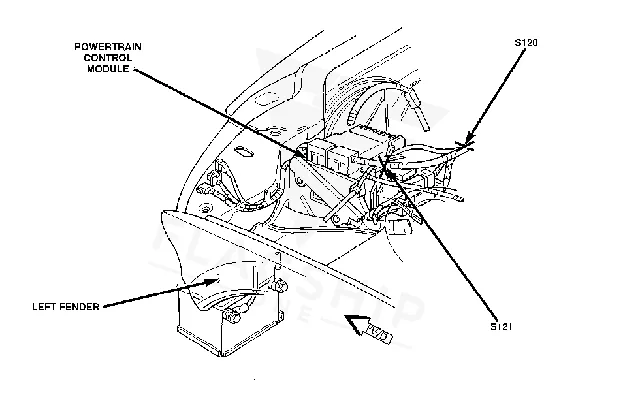
Work with the ignition off, and treat the module as static-sensitive: avoid touching the connector pins at any point.
| Operation | Configuration | Book Time |
|---|---|---|
| Engine Control Module Relearn | All configurations | 0.5 hr |
| Engine Control Module R&R | All configurations | 0.4 hr |
| Powertrain Control Module Relearn | All configurations | 0.5 hr |
| Powertrain Control Module R&R | All configurations | 0.4 hr |
After replacing the PCM in your 1998 Dodge Stratus, the factory procedure requires a relearn process using a scan tool to ensure proper communication with the engine and transmission. This step, which typically takes 0.5 hours, involves resetting adaptive values and calibrating the module to your vehicle’s specific configuration. However, a VIN-programmed replacement unit arrives pre-configured to match your Stratus’s systems, eliminating the need for on-site programming. This not only saves time but also reduces the risk of errors during the relearn process. While the factory method is effective, opting for a pre-programmed module streamlines the repair and ensures immediate compatibility without additional diagnostic steps.
A failing PCM in your 1998 Dodge Stratus may produce a variety of symptoms, often starting with subtle drivability issues before escalating to more severe problems. Common signs include intermittent stalling, especially at idle or during deceleration, as the module struggles to maintain proper fuel and air ratios. You may also notice rough idling, hesitation during acceleration, or misfires, which can trigger the check engine light. In some cases, the vehicle may fail to start altogether, as the PCM controls critical functions like fuel injection and ignition timing. Diagnostic tools may show communication errors, indicating the module is not responding correctly to sensor inputs. Transmission shifting issues, such as delayed or harsh gear changes, may also occur if the PCM is unable to process speed or load data accurately. One specific trouble code, internal control module memory checksum error, often appears when the PCM’s memory integrity is compromised, signaling a need for replacement or reprogramming. Addressing these symptoms promptly can prevent further damage to other engine or transmission components.
Service bulletin #18-037-05 addresses flash programming failures in the PCM for the 1998 Dodge Stratus. The bulletin outlines recovery procedures using the DRBIII scan tool to restore module functionality when programming attempts fail. This is particularly relevant during module replacement or software updates, as improper programming can lead to drivability issues or communication errors. Following the bulletin’s steps ensures the PCM is correctly calibrated to the vehicle’s systems, reducing the risk of post-installation problems.
| Bulletin | Subject | What It Addresses |
|---|---|---|
| 18-037-05 | 18-037-05 Flash Programming Failure Recovery Using DRBIII® | — |
Intermittent stalling after PCM replacement may indicate an incomplete relearn procedure. The module needs to recalibrate adaptive values for fuel, ignition, and transmission settings. If the relearn process wasn’t performed or was interrupted, the PCM may not communicate correctly with the engine or transmission, leading to stalling. Using a pre-programmed unit can reduce this risk by ensuring proper initial calibration.
While the vehicle may still run with a P0601 code, driving with this fault is not recommended. The code indicates an internal memory issue in the PCM, which can lead to erratic engine behavior, poor fuel economy, or transmission shifting problems. Ignoring the code may also cause additional codes to appear, complicating diagnostics. Replacing or reprogramming the PCM is the most reliable solution.
Replacing the PCM in your Stratus requires basic hand tools, such as a socket set and screwdrivers, to remove the protective cover and mounting hardware. A scan tool may also be needed for the relearn procedure if the replacement module isn’t pre-programmed. While no specialized tools are required, ensuring all electrical connectors are securely fastened is critical to avoid post-installation issues.
PCM failure symptoms often overlap with other engine or transmission problems, such as sensor malfunctions or wiring issues. To isolate the cause, start by scanning for trouble codes. If multiple unrelated codes appear or the PCM fails to communicate with the scan tool, the module itself may be faulty. Additionally, if symptoms persist after replacing sensors or addressing wiring, the PCM is a likely culprit.
Replacing the PCM is a straightforward process, but it requires attention to detail. If you’re comfortable working with electrical components and have basic tools, you can perform the replacement yourself. However, if the module isn’t pre-programmed, you’ll need a scan tool to complete the relearn procedure. For those unfamiliar with automotive electronics, professional installation may be preferable to avoid potential issues.
If your 1998 Dodge Stratus is experiencing PCM-related issues, you have two primary repair options: reprogramming the existing module or replacing it with a new or refurbished unit. Reprogramming may resolve software-related faults but won’t address hardware failures. A replacement PCM, particularly one that’s pre-programmed to your vehicle’s VIN, offers a more reliable solution by ensuring immediate compatibility and eliminating the need for post-installation calibration. Given the labor involved in relearn procedures, opting for a pre-configured module can save time and reduce the risk of errors.
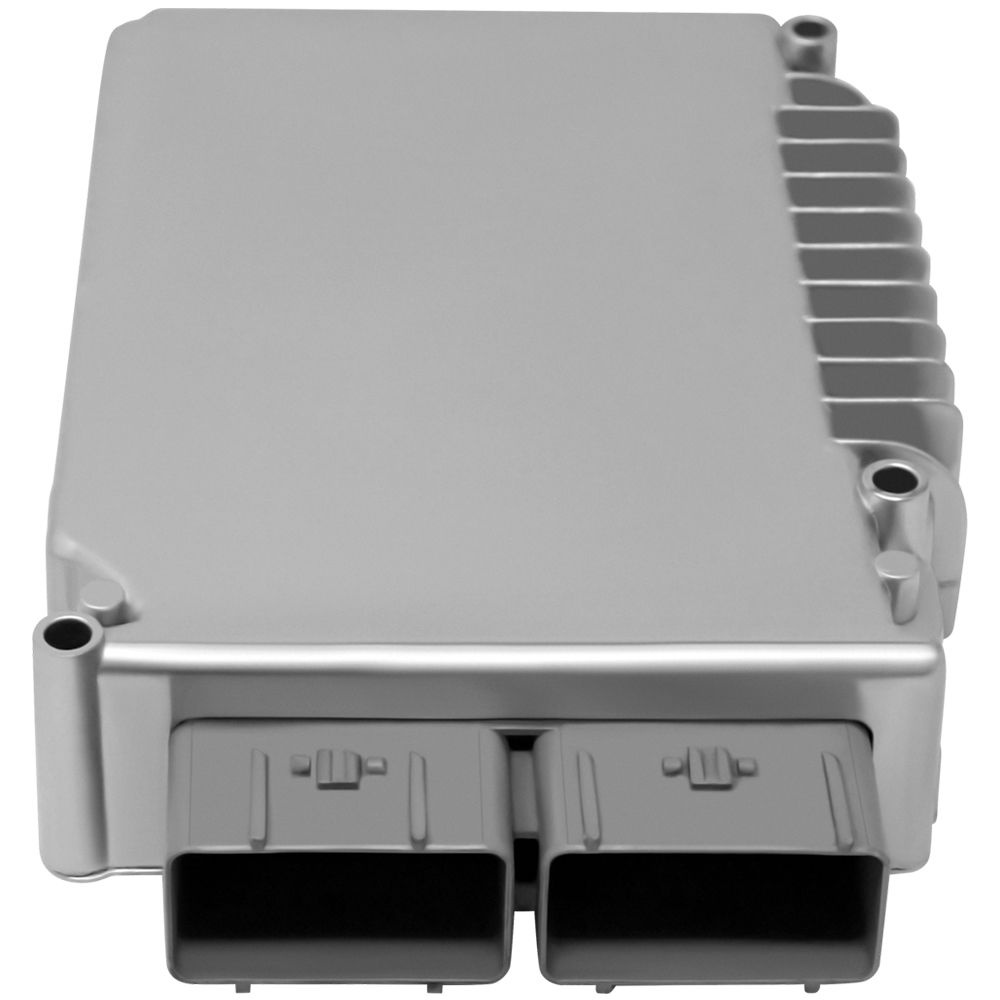
Flagship One stocks a refurbished, VIN-programmed PCM for the 1998 Dodge Stratus with a lifetime warranty, free shipping and no core charge. The full Dodge Stratus module lineup covers other engine configurations as well.
The Powertrain Control Module in your 1998 Dodge Stratus plays a critical role in engine and transmission performance. When it fails, symptoms like stalling, misfires, or no-start conditions can disrupt your driving experience. Replacing the PCM involves straightforward labor, but proper programming is essential for restoring full functionality. Whether you choose to reprogram the existing module or install a pre-configured replacement, addressing PCM issues promptly ensures your Stratus remains reliable and efficient on the road.