
Last updated on August 25th, 2026 at 12:49 pm
The powertrain control module and engine control module in a 2001 Dodge Stratus manage engine timing, fuel delivery, and transmission coordination. When these computers fail, the vehicle may lose communication with diagnostic tools, trigger fault codes, and exhibit poor performance or stalling.
When a 2001 Dodge Stratus experiences electronic control issues, the repair process often centers on the powertrain and engine control modules. Understanding how these computers interact with your vehicle’s systems helps you diagnose problems accurately and choose the right repair path. This guide outlines what the modules do, where they sit, the labor involved in swapping them, and the specific programming steps required after installation. By the end, you’ll know what to expect from a professional service or a DIY effort, and how Flagship One’s pre‑programmed units simplify the process.
The powertrain control module in a 2001 Dodge Stratus serves as the brain that synchronizes engine output with transmission operation. It receives sensor data, calculates optimal fuel and spark timing, and commands shift points for smooth acceleration. The engine control module focuses on managing combustion events, emissions, and idle control. Both units must communicate reliably for the vehicle to run without hesitation. A failure in either can interrupt sensor feedback, cause loss of driveability, and set diagnostic trouble codes. Proper operation of these computers is essential for meeting emissions standards and delivering expected performance. The vehicle may rely on replacement powertrain control modules for the 2001 Dodge Stratus to restore full functionality after a failure.
2001 Dodge Stratus
OEM programmed ECM for your 2001 Dodge Stratus — plug & play, no dealer visit.
Free shipping · Lifetime warranty
The PCM and ECM are mounted within the engine compartment, typically attached to the firewall or near the intake manifold on a 2001 Dodge Stratus. Access usually involves removing a few bolts and disconnecting electrical connectors. Labor times listed in the repair manual indicate that a relearn for the engine control module takes about 0.5 hours, while swapping the powertrain control module requires 0.5 hours for a sedan and 0.6 hours for a coupe. The process may involve securing the unit with the specified torque, though exact torque values are not provided in the available facts. After removal, the replacement unit is positioned in the same bracket, connectors are reattached, and the fasteners are tightened to the manufacturer’s specifications.
| Operation | Configuration | Book Time |
|---|---|---|
| Engine Control Module Relearn | All configurations | 0.5 hr |
| Engine Control Module R&R | All configurations | 0.5 hr |
| Powertrain Control Module Relearn | All configurations | 0.5 hr |
| Powertrain Control Module R&R | Coupe | 0.6 hr |
| Powertrain Control Module R&R | Sedan | 0.5 hr |
Once the new module is physically installed, the factory procedure calls for a specific relearn sequence. For the powertrain control module, the vehicle may need a 0.5‑hour relearn, and the engine control module requires a similar half‑hour process. If the vehicle is equipped with a SKIM system, the VIN must be re‑programmed using the SKIM function before the vehicle can operate correctly. Flagship One provides a a VIN-programmed replacement unit that arrives with the correct vehicle identification already encoded, eliminating the need for separate SKIM programming steps.
Typical signs of a failing PCM or ECM in a 2001 Dodge Stratus include a complete lack of engine start, intermittent stalling, rough idle, and loss of transmission shift control. Drivers may also notice a dead scan‑tool communication, which prevents reading live data. When the internal fault communication error between the PCM and other modules occurs, the check engine light illuminates, and the vehicle may enter a limp‑mode to protect itself. These symptoms often accompany codes such as P0600, indicating a general communication failure across the vehicle’s control network.
The following internal trouble codes have been documented for the 2001 Dodge Stratus and may appear when the PCM or ECM experiences issues:
| Code | Meaning | Full Guide |
|---|---|---|
| P0600 | Module-internal fault | Full P0600 guide → |
| P0601 | Internal memory checksum error | Full P0601 guide → |
Service bulletin 08-030-06 Rev. A outlines the powertrain control module initialization procedure for this model. The bulletin provides step‑by‑step instructions to ensure the PCM is correctly calibrated after replacement, helping to prevent drivability problems.
| Bulletin | Subject | What It Addresses |
|---|---|---|
| 08-030-06 Rev. A | 08-030-06 Rev. A Powertrain Control Module Initialization | — |
The repair manual lists about 0.5 hours for a powertrain control module replacement on the sedan version of the 2001 Dodge Stratus.
Yes, if the vehicle has the SKIM system, the VIN must be reprogrammed using the SKIM function as part of the factory procedure.
Bulletin 08-030-06 Rev. A addresses the powertrain control module initialization steps for the 2001 Dodge Stratus.
Codes P0600 and P0601 are associated with general and specific communication failures within the vehicle’s control network.
Flagship One units arrive with the correct VIN already programmed, so the separate SKIM VIN reprogramming step is not required.
When the PCM or ECM fails in your 2001 Dodge Stratus, you can choose a professional repair that follows the factory relearn steps, or opt for a refurbished replacement that includes pre‑programmed VIN data. Both paths aim to restore reliable operation, but a pre‑programmed unit can reduce shop time and simplify the post‑install process.
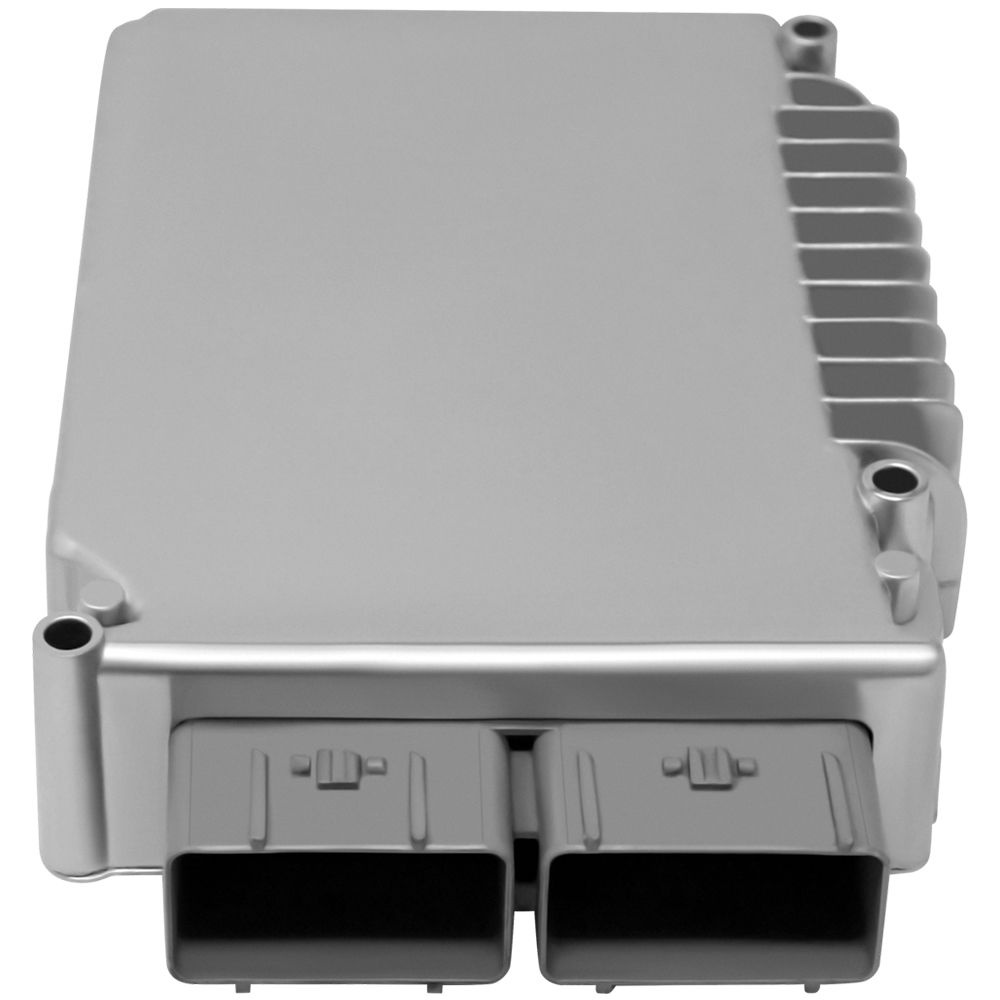
Flagship One stocks a refurbished, VIN-programmed PCM for the 2001 Dodge Stratus with a lifetime warranty, free shipping and no core charge. The full Dodge Stratus module lineup covers other engine configurations as well.
If your 2001 Dodge Stratus shows PCM or ECM symptoms, addressing the issue promptly can prevent further drivability problems. Consider a Flagship One replacement that arrives VIN‑programmed to streamline the repair, and follow the recommended relearn procedures for a lasting fix.