
Last updated on August 25th, 2026 at 12:16 pm
The Engine Control Module (ECM) or Powertrain Control Module (PCM) in your 1997 Dodge Stratus is the central computer that manages engine and transmission operation. It controls fuel delivery, ignition timing and emissions systems. When this module fails or develops internal faults, it can cause drivability problems and trigger the malfunction illumination lamp.
If your 1997 Dodge Stratus is exhibiting starting problems, stalling, or illumination of the check engine light, the Engine Control Module (also called the Powertrain Control Module or PCM) is a likely culprit. This module serves as the brain of your vehicle’s powertrain, continuously monitoring sensors and adjusting engine operation for optimal performance. When internal faults develop or the module fails entirely, your Stratus may run poorly, refuse to start, or set multiple diagnostic trouble codes. The good news is that replacement modules are available, and understanding the replacement process can help you make informed repair decisions. This guide explains what the module does, where it is located, common failure symptoms, and what the factory service procedures entail. You will also learn about factory service bulletins specific to this vehicle and practical steps you can take to protect the module from premature failure.
The Engine Control Module in your 1997 Dodge Stratus is the primary computer responsible for managing the 2.0L engine’s operation. This module receives input from dozens of sensors throughout the engine bay and uses that information to calculate the ideal fuel injection duration, ignition timing, idle speed, and emissions control system engagement. The PCM also interfaces with the automatic transmission, making shift decisions based on throttle position, vehicle speed, and engine load. In essence, this computer translates driver inputs into precise mechanical actions that keep the engine running smoothly while meeting federal emissions standards. The module stores calibration data specific to your vehicle’s Vehicle Identification Number, which is why replacement units must be programmed or flashed before installation. Without a properly functioning ECM, the engine cannot maintain stable operation, and the vehicle may enter a protective limp mode designed to prevent further damage. Replacement engine computers for the 1997 Dodge Stratus are available from specialty suppliers who pre-program the module with your specific VIN before shipping.
Flagship One keeps Dodge Stratus replacement engine computers in stock for exactly this failure pattern.
1997 Dodge Stratus
OEM programmed ECM for your 1997 Dodge Stratus — plug & play, no dealer visit.
Free shipping · Lifetime warranty
The ECM on a 1997 Dodge Stratus is mounted in the passenger footwell area, behind the kick panel trim on the right side of the vehicle. Access requires removal of the interior trim pieces that cover the module mounting location. The replacement procedure involves disconnecting the vehicle battery, removing the old module from its mounting bracket, transferring any mounting hardware to the new unit, and reconnecting the electrical harness. All electrical connections must be properly seated and secured before reassembly. The book time for the actual remove-and-replace operation is 0.4 hours, though this does not include the relearn procedure that follows. After installing a new or remanufactured module, the factory procedure requires performing a relearn cycle using diagnostic equipment, which adds 0.5 hours to the total labor. Proper torque specifications must be followed when securing the module mounting bolts to avoid vibration-related failures.
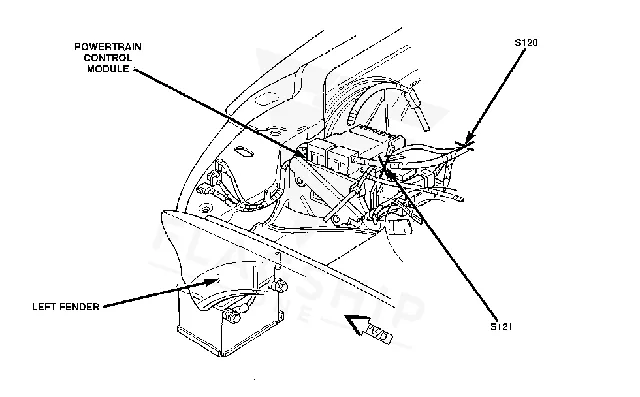
Work with the ignition off, and treat the module as static-sensitive: avoid touching the connector pins at any point.
| Operation | Configuration | Book Time |
|---|---|---|
| Engine Control Module Relearn | All configurations | 0.5 hr |
| Engine Control Module R&R | All configurations | 0.4 hr |
| Powertrain Control Module Relearn | All configurations | 0.5 hr |
| Powertrain Control Module R&R | All configurations | 0.4 hr |
After replacing the ECM on your 1997 Dodge Stratus, the factory service procedure requires performing a relearn procedure using the DRBIII diagnostic scan tool. This procedure synchronizes the new module with your vehicle’s specific engine calibration and ensures that all onboard systems recognize the replacement unit. The relearn process is necessary whenever the PCM is replaced or flashed with updated software. However, when you purchase a VIN-programmed replacement unit from Flagship One, the module arrives already configured with your vehicle’s specific identification number and calibration data. This means the factory relearn procedure is not required, potentially saving you diagnostic equipment access fees and labor time. The post-installation verification still involves checking for diagnostic trouble codes and confirming that the malfunction illumination lamp remains off during normal operation.
Every VIN-programmed replacement unit from Flagship One arrives with these steps already completed.
When the ECM or PCM on a 1997 Dodge Stratus begins to fail, owners often notice a variety of drivability concerns that can develop gradually or appear suddenly. The most common indicator is illumination of the check engine light, sometimes accompanied by multiple stored trouble codes that do not correspond to actual sensor failures. The vehicle may experience starting difficulties, requiring multiple cranking attempts before the engine fires, or it may stall unexpectedly after warming to operating temperature. Rough idle, hesitation under acceleration, and misfire sensations are frequently reported, particularly when the module’s internal processing becomes erratic. In some cases, the scan tool cannot communicate with the module at all, which points to an internal electrical failure rather than a sensor or wiring issue. Some owners have reported that their Stratus runs normally for a period and then exhibits the same problems repeatedly, suggesting intermittent module failures. The vehicle may also display incorrect fuel economy readings or experience transmission shifting irregularities due to the PCM’s compromised ability to process sensor data. Trouble codes like P0601 indicate internal memory problems within the module, suggesting potential electronic component failure that compromises the engine control system’s reliability.
| Bulletin | Subject | What It Addresses |
|---|---|---|
| 18-11-97 | 18-11-97 Erroneous MIL Illumination With Hex Codes $6a, $77, Erroneous PCM | — |
| 18-037-05 | 18-037-05 Flash Programming Failure Recovery Using DRBIII® | — |
| 18-01-98 | 18-01-98 MIL Illumination With Hex Code $3e, Possible Sags/Hesitations/Rough Idle | — |
The ECM must be programmed with your vehicle’s specific VIN and calibration data to function properly. An unprogrammed unit will not communicate with your Stratus’s systems and may cause additional problems. Flagship One provides VIN-programmed units that are ready for installation.
Yes, a failed ECM can cause a no-start condition even without illuminating the check engine light. The module may have lost its ability to process sensor inputs entirely, which prevents the fuel injection and ignition systems from operating. A qualified technician can verify this by checking for diagnostic communication with the module.
Driving with a compromised PCM is not recommended because the module may cause the engine to run dangerously rich or lean, potentially damaging catalytic converters or causing stalling in traffic. Some vehicles enter limp mode, which limits performance but still allows operation. Having the vehicle diagnosed promptly is the safer choice.
On this vehicle, the terms are often used interchangeably. The ECM primarily manages engine functions while the PCM may also handle transmission control, but in many applications they are integrated into a single module that controls both systems. The service information may refer to either term depending on the context.
Checking the part number on the existing module can reveal whether it is the original unit. A repair history report from a Chrysler dealer may also show previous module replacements. If the vehicle runs well with no stored codes, the current module is likely functioning properly regardless of its history.
When your 1997 Dodge Stratus requires ECM replacement, you have two primary options: purchasing a brand-new unit from the dealer or selecting a remanufactured module from a specialty supplier like Flagship One. New units from the dealer often carry premium pricing and may require you to arrange separate programming. Remanufactured units, on the other hand, are typically tested to meet or exceed original specifications and arrive ready to install with your VIN already programmed. Consider your budget, warranty preferences, and how quickly you need the vehicle back on the road when making your decision.
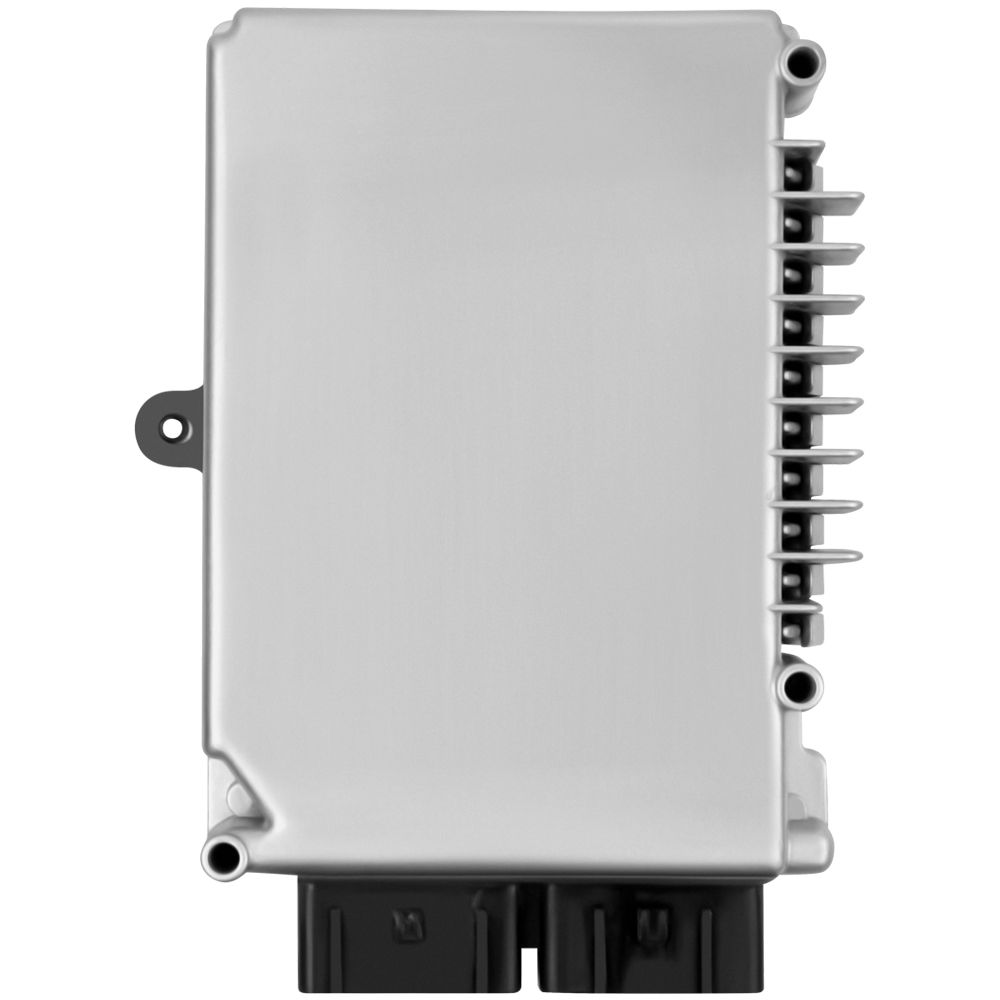
Flagship One stocks a refurbished, VIN-programmed PCM for the 1997 Dodge Stratus with a lifetime warranty, free shipping and no core charge. The full Dodge Stratus module lineup covers other engine configurations as well.
The Engine Control Module is a critical component of your 1997 Dodge Stratus, and failure of this unit can leave you stranded or facing expensive repairs. Understanding the symptoms, location, and factory service procedures empowers you to make informed decisions about replacement. Whether you choose a new or remanufactured unit, proper installation and attention to electrical system health can extend the life of your replacement module and keep your Stratus running reliably for years to come.