
Last updated on August 25th, 2026 at 12:50 pm
The Powertrain Control Module in a 1997 Dodge Dakota manages engine timing, fuel delivery, and transmission shifts. A failure can cause misfires, poor fuel economy, or loss of power.
If your 1997 Dodge Dakota has been showing odd engine behavior or you’re planning a PCM replacement, you’re in the right place. This guide breaks down what the Powertrain Control Module does in this specific model, why the relearn step matters, and how to avoid common pitfalls. By following the outlined steps, you can keep your Dakota running reliably and avoid the headaches that sometimes accompany module swaps. Whether you’re a seasoned mechanic or a knowledgeable owner, the information here will help you understand the process and protect your vehicle’s performance.
The Powertrain Control Module in the 1997 Dodge Dakota acts as the central nervous system for engine and transmission control. It receives input from sensors, processes that data, and sends commands to injectors, ignition coils, and shift solenoids. This coordination ensures the engine runs efficiently and the transmission shifts smoothly. Proper function is critical for fuel economy, emissions compliance, and overall drivability. When the PCM malfunctions, the vehicle may exhibit stalling, misfires, or erratic shifting. replacement engine computers for the 1997 Dodge Dakota are often needed when the module fails to communicate correctly. The relearn process after a new PCM is installed allows the module to calibrate its internal maps to the specific vehicle, ensuring optimal performance.
1997 Dodge Dakota
OEM programmed ECM for your 1997 Dodge Dakota — plug & play, no dealer visit.
Free shipping · Lifetime warranty
The Powertrain Control Module sits under the dash on the passenger side, near the steering column. Accessing it involves removing the lower dash panel and disconnecting the battery. Once the module is detached, installing a new one requires reconnecting the harness and securing the unit with the supplied mounting bracket. The relearn step after installation takes 0.5 hours, while the reprogram step also requires 0.5 hours. No special tools beyond a standard socket set and a diagnostic scanner are necessary for the replacement process.
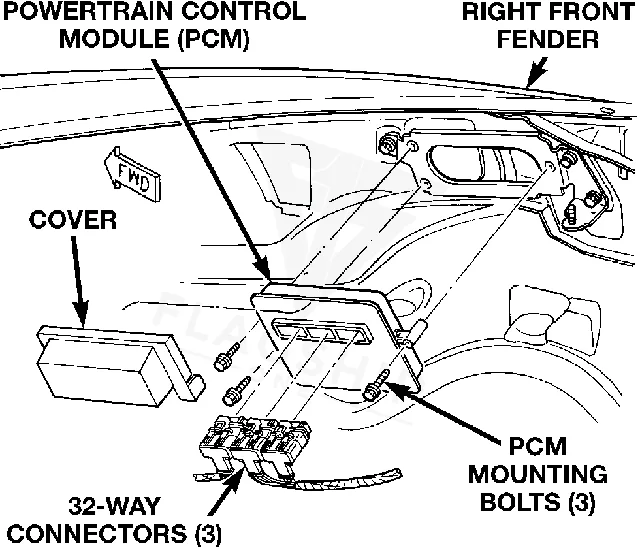
Work with the ignition off, and treat the module as static-sensitive: avoid touching the connector pins at any point.
| Operation | Configuration | Book Time |
|---|---|---|
| Engine Control Module Relearn | All configurations | 0.5 hr |
| Engine Control Module R&R | All configurations | 0.5 hr |
| Powertrain Control Module Relearn | All configurations | 0.5 hr |
| Powertrain Control Module R&R | All configurations | 0.5 hr |
After the new PCM is installed, a relearn procedure is needed to recalibrate fuel maps and ignition timing. Flagship One units arrive VIN‑programmed, meaning the relearn step is already completed during manufacturing. Consequently, the technician can skip the factory relearn and proceed directly to reprogramming, which takes 0.5 hours. a VIN-programmed replacement unit simplifies the workflow and reduces labor time.
When the PCM in a 1997 Dodge Dakota fails, you may notice a variety of symptoms: the engine may not start, stall under load, or run rough. Misfire codes can appear, and the transmission may shift harshly or not at all. Communication failures between the PCM and other modules can lead to dead scan‑tool reads. If a diagnostic scan reveals code P0601, it indicates a communication error within the PCM system, signaling the need for a module replacement.
Factory service bulletin #18-21-98 highlights cautionary steps when servicing the PCM in the 1997 Dodge Dakota. Bulletin Rc-Ie22-06 requires PCM reprogramming and catalytic converter inspection as part of an emissions recall. Both bulletins advise careful attention during the relearn process to ensure compliance with emissions standards.
| Bulletin | Subject | What It Addresses |
|---|---|---|
| 18-21-98 | 18-21-98 Powertrain Control Module (PCM) Service Caution | — |
| — | Rc-Ie22-06 Emissions Recall E22 – Reprogram PCM and Inspect Catalytic Converter | — |
Verify the battery’s charging system is functioning correctly, inspect all wiring harnesses for corrosion, and ensure the diagnostic scanner is compatible with the 1997 Dodge Dakota’s PCM protocol. Checking these factors reduces the risk of post‑installation issues.
A generic PCM may not have the specific calibration data for the 1997 Dodge Dakota, which can lead to suboptimal performance or emissions non‑compliance. It is recommended to use a manufacturer‑approved or VIN‑programmed unit.
The relearn step typically requires 0.5 hours, during which the PCM recalibrates its internal maps based on the vehicle’s sensors and operating conditions.
Common indicators include engine stalling, misfires, erratic shifting, or persistent diagnostic codes related to communication or fuel control. If these symptoms persist after a relearn, replacement may be necessary.
Flagship One units arrive VIN‑programmed, so the relearn step is already completed. The technician only needs to perform a 0.5‑hour reprogram procedure to finalize the installation.
Whether you choose to repair the existing PCM or opt for a refurbished replacement, the process for the 1997 Dodge Dakota remains consistent. The key difference lies in the initial steps: a repair involves diagnostic reprogramming, while a replacement bypasses that with a pre‑programmed unit. Both options aim to restore reliable engine and transmission performance, so choose the one that best fits your budget and timeline.
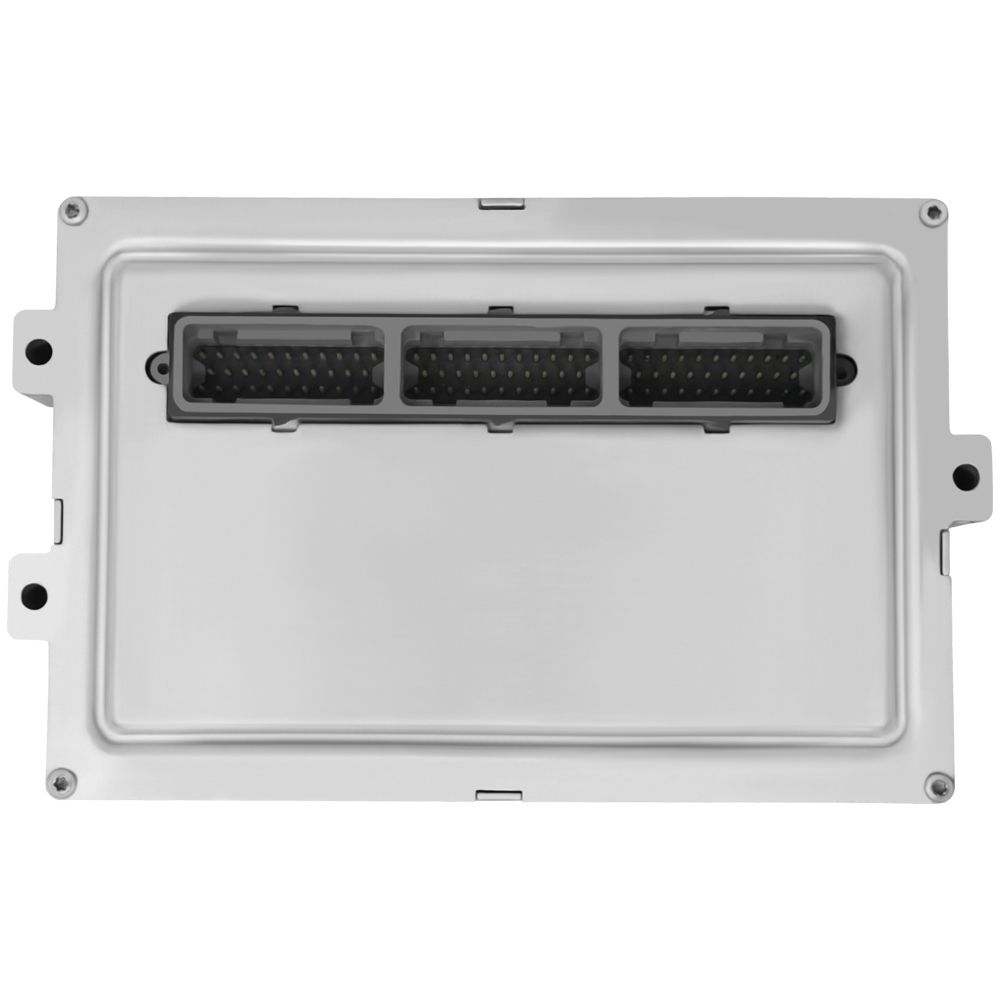
Flagship One stocks a refurbished, VIN-programmed PCM for the 1997 Dodge Dakota with a lifetime warranty, free shipping and no core charge. The full Dodge Dakota module lineup covers other engine configurations as well.
The 1997 Dodge Dakota’s PCM is essential for engine and transmission coordination. By following the relearn and reprogram steps outlined here, you can maintain optimal performance and avoid common pitfalls. If you’re experiencing symptoms like stalling or misfires, consider a professional inspection or a pre‑programmed replacement to keep your Dakota running smoothly.