
Last updated on August 25th, 2026 at 12:50 pm
In the 1996 Dodge Dakota, the Powertrain Control Module (PCM) and Engine Control Module (ECM) act as the vehicle’s brain, interpreting sensor data to manage fuel, spark and transmission functions. A failure typically stems from corrupted memory, voltage spikes or connector corrosion, which can prevent the computer from communicating with diagnostic tools and disrupt engine operation.
When a 1996 Dodge Dakota begins to hesitate, stall or refuse to start, the underlying cause often traces back to the vehicle’s computer systems. The Powertrain Control Module and Engine Control Module govern everything from fuel delivery to transmission shifting, and any disruption in their operation can produce a range of drivability problems. This guide walks you through what the modules do, where they live, the specific relearn steps required after a swap, and the factory service bulletins that highlight known issues. By the end, you should understand how to diagnose a computer‑related fault, what labor is involved in a replacement, and why a VIN‑programmed unit from Flagship One may simplify the process.
The PCM and ECM in the 1996 Dodge Dakota serve as the central processors that collect data from dozens of sensors and command actuators to keep the engine running smoothly. They manage fuel injection timing, ignition spark, emission controls and, for the PCM, transmission shift points. Because they coordinate critical functions, any loss of communication or corrupted memory can lead to rough idle, stalling or a complete no‑start condition. Proper operation ensures emissions compliance and optimal performance, which is why the manufacturer provides specific relearn procedures after a module swap. The vehicle relies on these computers to adapt to changes in temperature, load and fuel quality, making them essential for reliable daily use. Understanding the role of the module helps you appreciate why a faulty unit often triggers multiple diagnostic codes and why a precise reinstall is required. replacement ECMs for Dakota are designed to match the original specifications and retain all calibrated parameters.
1996 Dodge Dakota
OEM programmed ECM for your 1996 Dodge Dakota — plug & play, no dealer visit.
Free shipping · Lifetime warranty
In the 1996 Dodge Dakota the PCM/ECM is mounted beneath the air‑filter housing on the passenger side of the engine compartment. Access typically requires removing the air‑filter box, disconnecting the primary power connector and unbolting the module mounting brackets. The factory labor guide assigns 0.5 hours for a removal and reinstall (R&R) of the module, reflecting the relatively straightforward access path. Once the old unit is withdrawn, the replacement is positioned, torqued to the specified value if noted in the service manual, and the electrical connector is reattached. After the physical install, the vehicle’s diagnostic port remains active, allowing a scan tool to verify communication before proceeding to the relearn steps. The short labor time indicates that a competent technician can complete the swap in a single service bay without extensive disassembly.
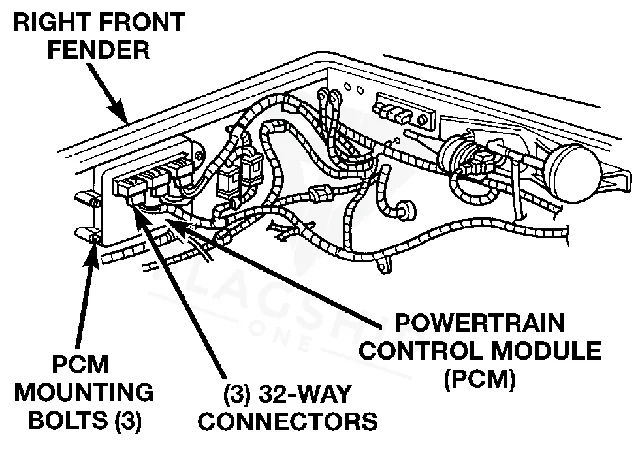
Work with the ignition off, and treat the module as static-sensitive: avoid touching the connector pins at any point.
| Operation | Configuration | Book Time |
|---|---|---|
| Engine Control Module Relearn | All configurations | 0.5 hr |
| Engine Control Module R&R | All configurations | 0.5 hr |
| Powertrain Control Module Relearn | All configurations | 0.5 hr |
| Powertrain Control Module R&R | All configurations | 0.5 hr |
Following a PCM or ECM replacement in the 1996 Dodge Dakota, the factory procedure calls for a relearn of the module to re‑establish sensor baselines and transmission shift strategies. Each relearn operation—engine control module and powertrain control module—takes approximately half an hour of technician time, as listed in the labor guide. Flagship One units arrive pre‑loaded with the vehicle‑specific calibration data, so the VIN‑programmed replacement unit eliminates the need for those post‑install coding steps. Instead, the technician can focus on the prescribed relearn cycles, which involve cycling the ignition, monitoring sensor feedback and confirming that the module retains the learned parameters. This approach reduces the chance of missed programming errors and speeds the overall repair process.
Every VIN-programmed replacement unit from Flagship One arrives with these steps already completed.
A failing PCM or ECM in a 1996 Dodge Dakota often reveals itself through a combination of drivability issues. Owners may notice the engine cranking but not starting, intermittent loss of power, or a sudden stall at idle. Diagnostic trouble codes related to sensor communication or processor errors can appear, and the scan tool may lose link with the vehicle’s computer network. Transmission shifting can become erratic, with harsh or delayed gear changes, especially under load. In some cases, the check engine light illuminates with generic powertrain codes, prompting further investigation. These symptoms typically point to corrupted memory, voltage irregularities, or deteriorated connector contacts within the module.
Service Bulletin #18-21-98 warns technicians about a PCM service caution that can arise from voltage spikes, recommending inspection of the power supply before replacement. Bulletin #08-01-97 describes a repair package for the JTEC PCM wiring harness connector, addressing common corrosion and pin‑contact issues that can lead to intermittent communication failures.
| Bulletin | Subject | What It Addresses |
|---|---|---|
| 18-21-98 | 18-21-98 Powertrain Control Module (PCM) Service Caution | — |
| 08-01-97 | 08-01-97 JTEC PCM Wiring Harness Connector Repair Packages | — |
The factory procedure calls for a Powertrain Control Module relearn that typically takes about half an hour. The process involves cycling the ignition, monitoring sensor feedback and confirming that the module retains the learned parameters.
Yes, Flagship One units are programmed at the factory with the vehicle’s VIN, so the usual post‑install coding steps are already completed, allowing the technician to proceed directly to the relearn cycles.
Typical signs include a no‑start condition, rough idle, stalling, loss of transmission shift control and the illumination of the check engine light with generic powertrain codes.
When the PCM or ECM in your 1996 Dodge Dakota needs attention, you can choose between a new factory‑spec unit or a refurbished replacement that meets the same performance standards. Both options require the same access steps and relearn procedures, but a refurbished Flagship One unit arrives VIN‑programmed, which can streamline the installation. Weigh the cost, warranty and availability to decide which path fits your repair schedule best.
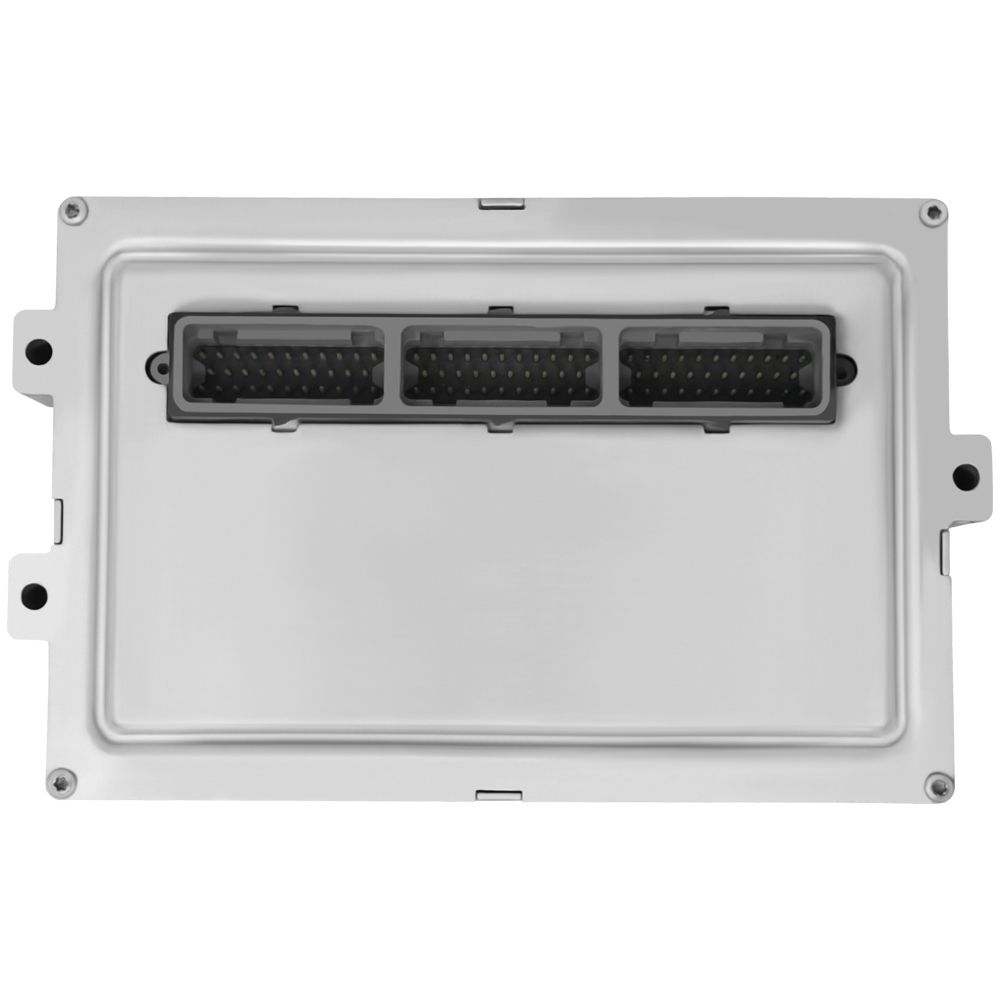
Flagship One stocks a refurbished, VIN-programmed PCM for the 1996 Dodge Dakota with a lifetime warranty, free shipping and no core charge. The full Dodge Dakota module lineup covers other engine configurations as well.
Understanding how the PCM and ECM function in your 1996 Dodge Dakota helps you diagnose and resolve common drivability issues. Whether you opt for a new or refurbished replacement, following the prescribed relearn steps ensures reliable performance. Contact a qualified technician to assess your vehicle and choose the right solution.