
Last updated on August 25th, 2026 at 12:10 pm
The powertrain control module in your 1998 Mercury Grand Marquis governs fuel injection, ignition timing, and transmission shifting. Internal circuit board degradation or voltage spikes often disrupt these functions, leading to drivability issues that typically require module replacement or professional reprogramming services.
When your 1998 Mercury Grand Marquis develops mysterious electrical drivability issues, the powertrain control module often becomes the primary suspect among experienced technicians. This onboard computer continuously manages fuel delivery, ignition advance, and transmission shift points for the 4.6L V8 engine, making it central to virtually every aspect of vehicle operation. Over the vehicle’s service life, thermal cycling and electrical stress gradually degrade internal solder connections and circuit board components, potentially causing intermittent failures that mimic other mechanical problems. Understanding how this module functions helps you distinguish between genuine computer failures and simpler wiring or sensor faults that produce similar symptoms. Rather than replacing parts based on guesswork, informed owners recognize that proper diagnostic procedures typically save both time and money while ensuring the root cause is addressed. This guide examines the specific failure modes common to this model year, explains factory technical service bulletin recommendations, and outlines replacement procedures using published labor time standards. You will learn to identify genuine module failure symptoms, understand why professional reprogramming matters, and make informed decisions about repair versus replacement options for your specific vehicle configuration.
The powertrain control module in your 1998 Mercury Grand Marquis serves as the central processing unit for the entire powertrain system, integrating input from sensors throughout the engine bay and cabin to calculate optimal fuel injection pulses, ignition timing curves, and transmission shift schedules. This hardened computer mounts within the interior cabin environment to protect it from underhood temperature extremes while maintaining constant communication with the engine control sensors and the electronic automatic transmission. The module stores calibration data specific to your vehicle’s 4.6L V8 configuration, including emission control strategies and fuel octane requirements that ensure compliance with federal standards while delivering smooth performance. When internal memory circuits or processor chips fail due to age-related degradation, the module may lose its ability to interpret sensor signals correctly, resulting in incorrect air-fuel mixtures or transmission harshness that no mechanical repair can resolve. Technicians typically verify module integrity through proprietary scan tools before recommending replacement computers for the Grand Marquis since external wiring issues can produce identical symptoms. The module’s non-serviceable design means that internal failures require complete unit replacement rather than circuit board-level repairs, particularly given the security encryption and calibration data that must match your specific vehicle identification number exactly. Additionally, the PCM constantly monitors oxygen sensor feedback and adjusts fuel trims in real-time, storing adaptive learning data that optimizes performance across varying driving conditions and fuel qualities. This adaptive memory can be lost during power interruptions, requiring specific relearn procedures to restore baseline operation. The module also controls the malfunction indicator lamp circuit, commanding illumination when emissions-related faults exceed federal thresholds, making it integral to both performance and regulatory compliance.
1998 Mercury Grand Marquis
OEM programmed ECM for your 1998 Mercury Grand Marquis — plug & play, no dealer visit.
Free shipping · Lifetime warranty
Replacing the powertrain control module in your 1998 Mercury Grand Marquis involves specific labor operations with standardized time allocations. The primary replacement procedure carries a book time of 1.0 hours, covering the removal of the existing unit and installation of the service replacement. Before replacement, technicians typically perform Powertrain Control System Diagnosis and Testing, allocated at 0.5 hours to verify that the module rather than wiring or sensors causes the reported symptoms. Following physical installation, the service procedure requires an Engine Control Module Relearn operation, scheduled at 0.5 hours to allow the computer to synchronize with your vehicle’s specific engine parameters and transmission calibration. These time standards assume standard workshop conditions without complications from corroded connectors or physical damage to mounting hardware. The replacement process involves careful handling of the module’s electrical connectors to prevent pin damage, though specific access steps and torque specifications depend on your vehicle’s exact configuration and service manual recommendations. Professional installation ensures these time standards are met while preventing static discharge damage to sensitive microprocessor circuits.
Work with the ignition off, and treat the module as static-sensitive: avoid touching the connector pins at any point.
| Operation | Configuration | Book Time |
|---|---|---|
| Engine Control Module Relearn | All configurations | 0.5 hr |
| Engine Control Module R&R | All configurations | 1.0 hr |
| Powertrain Control System Diagnosis & Testing | All configurations | 0.5 hr |
Factory replacement procedures for your 1998 Mercury Grand Marquis require specific programming steps to ensure the new module communicates properly with your vehicle’s existing electronic systems. According to service information, technicians must perform an Engine Control Module Relearn requiring 0.5 hours of labor to establish proper communication between the replacement computer and your specific powertrain configuration. This procedure typically involves ignition key cycles and throttle position sensor calibration to synchronize the new hardware with existing engine and transmission parameters. However, when you obtain a VIN-programmed replacement unit, the module arrives with your specific vehicle identification number and calibration data already flashed into memory, effectively eliminating the need for dealership programming sessions. This pre-programming service copies the exact calibration from your original module or factory databases, ensuring that emission strategies and shift schedules match your 4.6L engine configuration precisely. While the physical installation still requires the standard 1.0 hour allocation, the elimination of complex reprogramming procedures simplifies the repair process considerably. Your technician can focus on proper connector seating and verification rather than navigating proprietary software downloads.
Powertrain control module failures in the 1998 Mercury Grand Marquis typically manifest through drivability issues that worsen progressively as internal circuits degrade. You may notice intermittent stalling at traffic lights or difficulty restarting the engine after short stops, particularly when the engine bay heat soaks the computer during summer months. The vehicle might exhibit harsh or erratic transmission shifting as the module loses its ability to process throttle position and vehicle speed data simultaneously, causing delayed or premature gear changes that feel abrupt. Many owners report complete no-start conditions where the starter cranks normally but the engine refuses to fire, often accompanied by the malfunction indicator lamp remaining illuminated continuously. Scan tool communication failures provide another diagnostic clue, where professional equipment cannot establish connection with the module despite proper cabling and power supply. When checking stored faults, technicians may find warning lamp activated without driveability concerns indicating the specific fault documented for this model. Additional symptoms include unexplained fuel economy degradation, random misfire codes without ignition system faults, and cruise control systems that disengage unexpectedly. These electrical faults often occur without accompanying mechanical noises, distinguishing them from engine wear issues. Temperature sensitivity frequently characterizes these failures, with symptoms appearing only during hot weather or cold morning starts when thermal expansion stresses solder joints inside the sealed housing.
Factory service bulletins provide important guidance for technicians servicing your 1998 Mercury Grand Marquis powertrain control module. Bulletin 99-04-03 specifically addresses EEC V equipped vehicles regarding out-of-vehicle reprogramming procedures for powertrain control modules, establishing protocols for updating calibration data when the unit is removed from the automobile. This documentation proves essential when considering flash programming options independent of dealership service bays. Additionally, bulletin 98-25-19 documents instances where code P1506 sets and the warning lamp activates despite normal driving performance, specifically affecting 4.6L powerplants featuring Green State calibrations. This bulletin helps technicians avoid unnecessary module replacement when the idle speed concern stems from calibration characteristics rather than hardware failure. Consulting these technical service bulletins before replacement ensures you address software-related issues appropriately rather than replacing functional hardware.
| Bulletin | Subject | What It Addresses |
|---|---|---|
| 99-04-03 | EEC V VEHICLES ONLY – OUT-OF-VEHICLE – REPROGRAMMING POWERTRAIN CONTROL MODULES (PCMS) | — |
| 98-25-19 | DIAGNOSTIC TROUBLE CODE (DTC) P1506 – LAMP – MALFUNCTION INDICATOR LAMP (MIL) ILLUMINATED – NO | — |
Internal solder joint fatigue from thermal cycling and voltage spikes from aging alternators or jump-starts often damage the circuit boards. Moisture intrusion through compromised connector seals may also corrode internal components over time.
Labor guides allocate 1.0 hours for the physical replacement procedure, plus 0.5 hours for diagnostic testing and another 0.5 hours for the required relearn procedure, though actual shop time varies based on access and connector condition.
Physically swapping the module is straightforward, but factory procedures require programming steps that typically need professional scan tools. Using a pre-programmed unit eliminates dealer visits, though proper static handling procedures remain essential.
This temperature-sensitive pattern often indicates cracked solder joints inside the module that expand when heated, breaking electrical continuity. The condition typically worsens until the module fails completely, requiring replacement to restore reliable operation.
Modules are calibrated to specific vehicle configurations and security systems, making interchangeable units incompatible without professional reprogramming. Even identical model year units require VIN-specific flashing to match your exact 4.6L engine and transmission setup.
When considering repair options for your 1998 Mercury Grand Marquis, weigh the costs of dealership programming against pre-configured replacement units. While some shops offer module rebuilding services, the thermal damage often proves irreversible. A replacement computer specifically programmed to your vehicle identification number offers reliable long-term operation without the uncertainty of used components. Evaluate your technical comfort level with automotive electrical work before deciding between professional installation and DIY approaches.
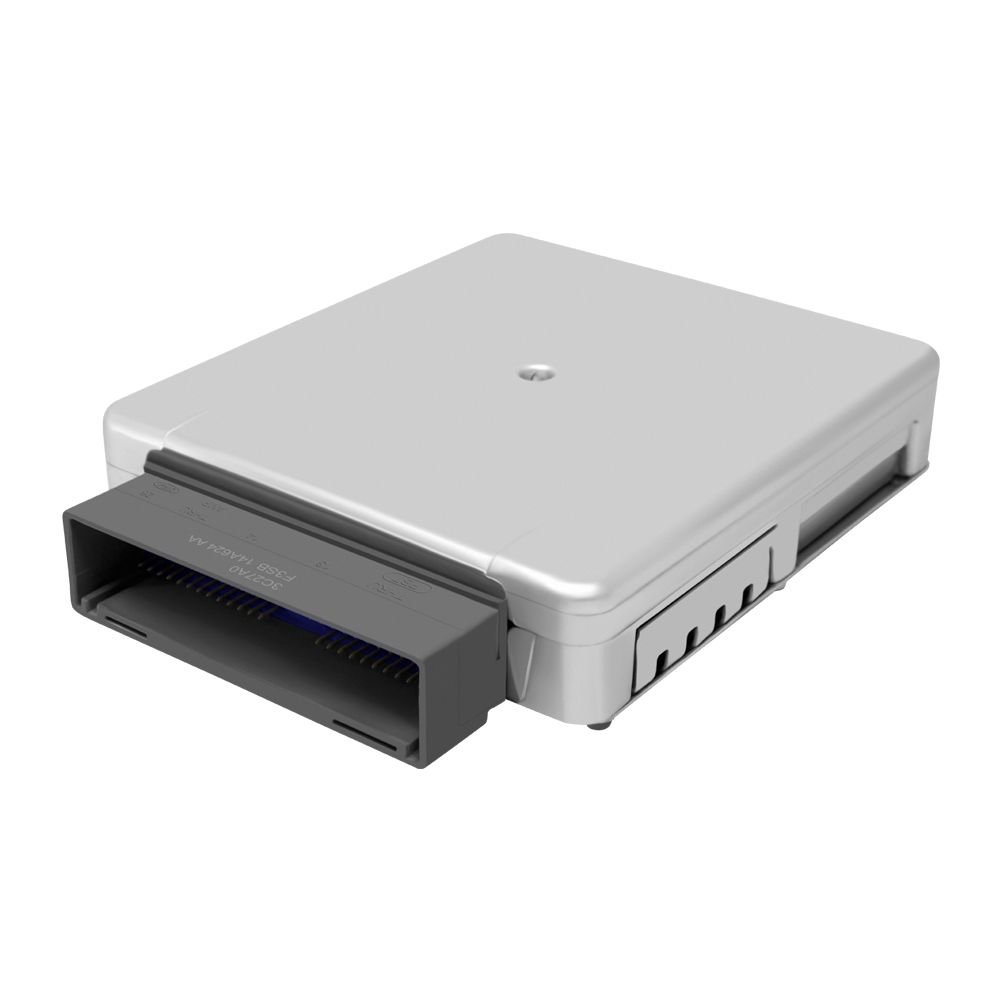
Flagship One stocks a refurbished, VIN-programmed PCM for the 1998 Mercury Grand Marquis with a lifetime warranty, free shipping and no core charge. The full Mercury Grand Marquis module lineup covers other engine configurations as well.
Addressing powertrain control module concerns in your 1998 Mercury Grand Marquis requires careful diagnosis and appropriate replacement procedures. By understanding the specific symptoms, factory bulletin guidance, and programming requirements outlined above, you can make informed decisions that restore dependable operation to your vehicle. Professional diagnostic verification remains the most reliable path toward resolving these complex electronic issues effectively.