
Last updated on August 25th, 2026 at 01:03 pm
The Powertrain Control Module (PCM) in your 1999 Mercury Grand Marquis manages fuel delivery, ignition timing, and transmission shifting. A failing PCM may cause erratic engine behavior, poor fuel economy, or complete no-start conditions due to corrupted calibration data or internal circuit failure.
If your 1999 Mercury Grand Marquis has been stalling at stoplights, refusing to start, or throwing cryptic check-engine lights, the Powertrain Control Module (PCM) may be the culprit. This small but critical computer sits under the hood, constantly adjusting fuel mixtures, spark timing, and transmission shifts to keep the 4.6L V8 running smoothly. Over time, heat, vibration, or voltage spikes can corrupt its internal memory or damage its circuits, leading to frustrating driveability issues. Replacing the PCM isn’t just about swapping a box—it involves precise calibration to match your vehicle’s specific configuration. Understanding the process helps you avoid unnecessary dealer trips and ensures your Grand Marquis runs reliably. This guide covers what the PCM does, where it’s located, how replacement works, and why choosing the right replacement unit matters for your vehicle’s performance.
The Powertrain Control Module in your 1999 Mercury Grand Marquis serves as the brain of the engine and transmission systems. It continuously monitors sensors for engine speed, air intake, throttle position, and exhaust oxygen levels, then adjusts fuel injectors, ignition coils, and shift solenoids in real time. Without a properly functioning PCM, the 4.6L V8 may run too rich or too lean, misfire under load, or fail to start entirely. The module also communicates with the transmission control system to ensure smooth gear changes, which is why shifting issues often accompany PCM failures. When the internal memory degrades, the module may lose its calibration data, leading to poor performance or even a no-crank condition. Replacing it requires not just a physical swap but also ensuring the new unit matches your vehicle’s specifications. replacement engine computers for the Grand Marquis are designed to restore factory-level functionality, but proper installation and programming are critical to avoid recurring issues.
1999 Mercury Grand Marquis
OEM programmed ECM for your 1999 Mercury Grand Marquis — plug & play, no dealer visit.
Free shipping · Lifetime warranty
The PCM in the 1999 Mercury Grand Marquis is mounted on the passenger-side fender well, just behind the battery. Accessing it requires removing the battery and its tray, along with unclipping the air intake duct to reach the module’s electrical connectors. The replacement process typically involves disconnecting the negative battery terminal first to prevent electrical shorts, then unbolting the old unit and carefully transferring any necessary pins or brackets to the new one. Labor guides estimate 1.0 hours for the removal and reinstallation (R&R) procedure. After installation, the module may require a relearn process, which adds another 0.5 hours of labor. This step ensures the PCM synchronizes with the vehicle’s sensors and transmission, though some aftermarket units come pre-programmed to eliminate this need.
Work with the ignition off, and treat the module as static-sensitive: avoid touching the connector pins at any point.
| Operation | Configuration | Book Time |
|---|---|---|
| Engine Control Module Relearn | All configurations | 0.5 hr |
| Engine Control Module R&R | All configurations | 1.0 hr |
| Powertrain Control System Diagnosis & Testing | All configurations | 0.5 hr |
After replacing the PCM in your 1999 Mercury Grand Marquis, the factory procedure requires a reprogramming step to ensure the new module matches your vehicle’s VIN and calibration data. This process typically involves connecting a dealer-level scan tool to upload the correct software, which can add 0.5 hours of labor if done separately. However, a VIN-programmed replacement unit arrives pre-loaded with your vehicle’s specific calibration, eliminating the need for post-install programming. This not only saves time but also reduces the risk of compatibility issues that can arise from manual reprogramming. The relearn procedure, which synchronizes the PCM with the engine and transmission, may still be necessary, but it’s a simpler process than full reprogramming and can often be completed with basic scan tools or even a battery reset.
A failing PCM in your 1999 Mercury Grand Marquis may cause a range of symptoms that can mimic other issues, making diagnosis tricky. Common signs include intermittent stalling, especially at idle or during deceleration, as the module loses its ability to maintain stable fuel and spark delivery. You might also notice the engine misfiring under load, accompanied by a rough idle or hesitation during acceleration. In some cases, the vehicle may refuse to start at all, cranking but not firing due to incorrect ignition timing or fuel injector signals. Transmission shifting problems, such as delayed or harsh gear changes, can also indicate PCM trouble, as the module controls both engine and transmission functions. Another telltale sign is a complete loss of communication with a scan tool, leaving you unable to read or clear trouble codes. If the PCM’s internal memory is corrupted, you may see persistent internal control module memory check sum error codes, which signal that the module’s calibration data is no longer reliable. These symptoms often worsen over time, so addressing them early can prevent more serious driveability issues.
Ford issued two relevant service bulletins for the 1999 Mercury Grand Marquis and other vehicles with similar powertrain systems. TSB 99-04-03 outlines reprogramming procedures for EEC V vehicles, including the Grand Marquis, to address calibration issues that may cause driveability problems. This bulletin specifies that the PCM should be updated using the latest software to ensure compatibility with the vehicle’s engine and transmission systems. Additionally, TSB 99-14-07 covers calibration information for a wide range of engines, including the 4.6L V8, and applies to vehicles built through January 29, 1999. This bulletin serves as a service tip, emphasizing the importance of using the correct calibration data when replacing or reprogramming the PCM to avoid recurring issues.
| Bulletin | Subject | What It Addresses |
|---|---|---|
| 99-04-03 | EEC V VEHICLES ONLY – OUT-OF-VEHICLE – REPROGRAMMING POWERTRAIN CONTROL MODULES (PCMS) | — |
| 99-14-07 | APPLICABLE ENGINES ARE 2.0L, 2.5L, 3.0L, 3.4L, 3.8L, 4.0L, 4.2L, 4.6L, 5.0L, 5.4L, 6.8L, AND 7. | — |
A battery replacement can reset the PCM’s learned values, causing temporary driveability issues like stalling. The module needs time to relearn fuel and idle parameters, which typically resolves within a few drive cycles. If the problem persists, the PCM may need a relearn procedure or reprogramming to restore proper calibration.
While the vehicle may still run with a P0601 code, it indicates the PCM’s internal memory is corrupted, which can lead to poor performance or stalling. Driving with this code risks further damage to the module or other components, so it’s best to address it promptly with a replacement or reprogramming.
If the PCM is setting internal fault codes like P0601 or causing consistent driveability issues, reprogramming may resolve the problem. However, if the module fails to communicate with a scan tool or exhibits physical damage, replacement is likely necessary. A diagnostic test can help determine the best course of action.
A used PCM may not match your vehicle’s VIN or calibration data, leading to poor engine performance, shifting issues, or even a no-start condition. Reprogramming is required to ensure the module synchronizes with your Grand Marquis’s specific configuration, though this step can be avoided with a pre-programmed replacement unit.
Disconnecting the battery can reset the PCM’s learned values, which may temporarily improve performance if the module has stored incorrect data. However, it won’t fix underlying issues like corrupted memory or internal circuit damage. If the problem persists, a full diagnostic or replacement may be needed.
If your 1999 Mercury Grand Marquis is experiencing PCM-related issues, you have two main options: repair or replacement. While reprogramming the existing module may resolve minor calibration issues, a replacement is often the more reliable solution for internal faults or physical damage. Choosing a pre-programmed unit ensures your vehicle’s VIN and calibration data are already loaded, saving you time and avoiding the hassle of dealer visits for post-install programming. Whether you opt for a new or refurbished module, proper installation and synchronization are key to restoring your Grand Marquis’s performance.
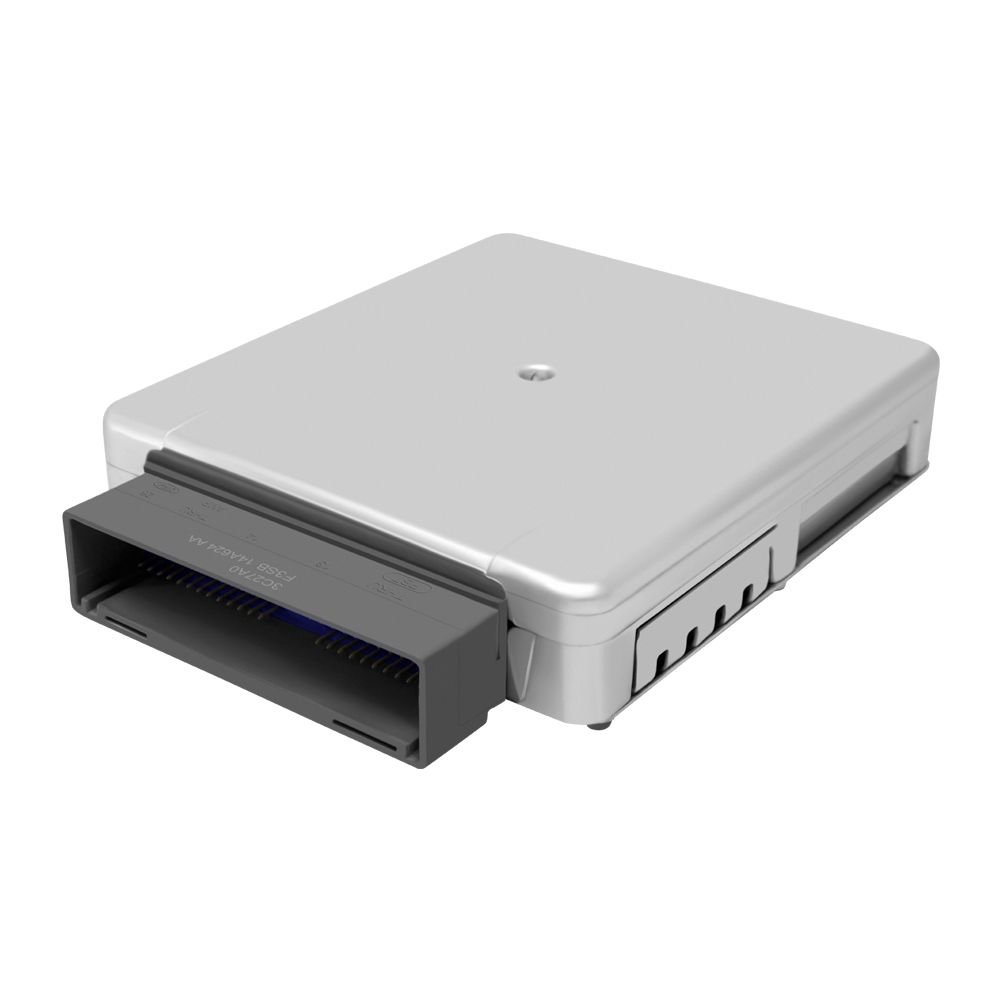
Flagship One stocks a refurbished, VIN-programmed PCM for the 1999 Mercury Grand Marquis with a lifetime warranty, free shipping and no core charge. The full Mercury Grand Marquis module lineup covers other engine configurations as well.
The Powertrain Control Module in your 1999 Mercury Grand Marquis plays a critical role in keeping the 4.6L V8 running smoothly. When it fails, symptoms like stalling, misfires, or shifting issues can make driving frustrating and unreliable. Understanding the replacement process, from labor times to programming requirements, helps you make informed decisions about repairs. Whether you choose to reprogram or replace the module, ensuring it’s properly calibrated to your vehicle’s specifications is essential. With the right approach, your Grand Marquis can continue to deliver the dependable performance it was built for.