
Last updated on August 25th, 2026 at 01:26 pm
The powertrain control module (PCM) in the 2011 GMC Yukon XL manages engine and transmission functions. Internal failures may cause erratic performance, diagnostic trouble codes, or complete no-start conditions.
If your 2011 GMC Yukon XL has been stalling, refusing to start, or showing internal control module trouble codes, the powertrain control module (PCM) may be failing. This critical computer manages both engine and transmission functions, so its reliability directly affects how your vehicle runs. Replacing it involves more than just swapping parts—proper installation and programming are essential to restore smooth operation. Understanding the process, labor times, and common symptoms can help you make informed decisions about repairs and avoid unnecessary complications.
The powertrain control module in your 2011 GMC Yukon XL acts as the brain for both engine and transmission systems. It processes sensor data to optimize fuel delivery, ignition timing, and shift points, ensuring efficient performance. When this module malfunctions, you may experience rough idling, poor acceleration, or even a complete no-start condition. Since the PCM also communicates with other vehicle systems, failures can trigger multiple warning lights on the dashboard. If replacement becomes necessary, you’ll need replacement engine computers for the Yukon XL that match your vehicle’s specifications to maintain proper functionality.
The PCM in the 2011 GMC Yukon XL is typically located near the engine bay, though exact placement may vary slightly between the 1500 and 2500 models. Replacing it involves disconnecting the battery, removing electrical connectors, and unbolting the module from its mount. Labor time for removal and reinstallation is listed at 1.4 hours for both the 1500 and 2500 variants. After installation, a relearn procedure of 0.5 hours is often required to synchronize the new module with the vehicle’s systems. Proper torque on mounting bolts helps ensure secure installation and reliable operation.
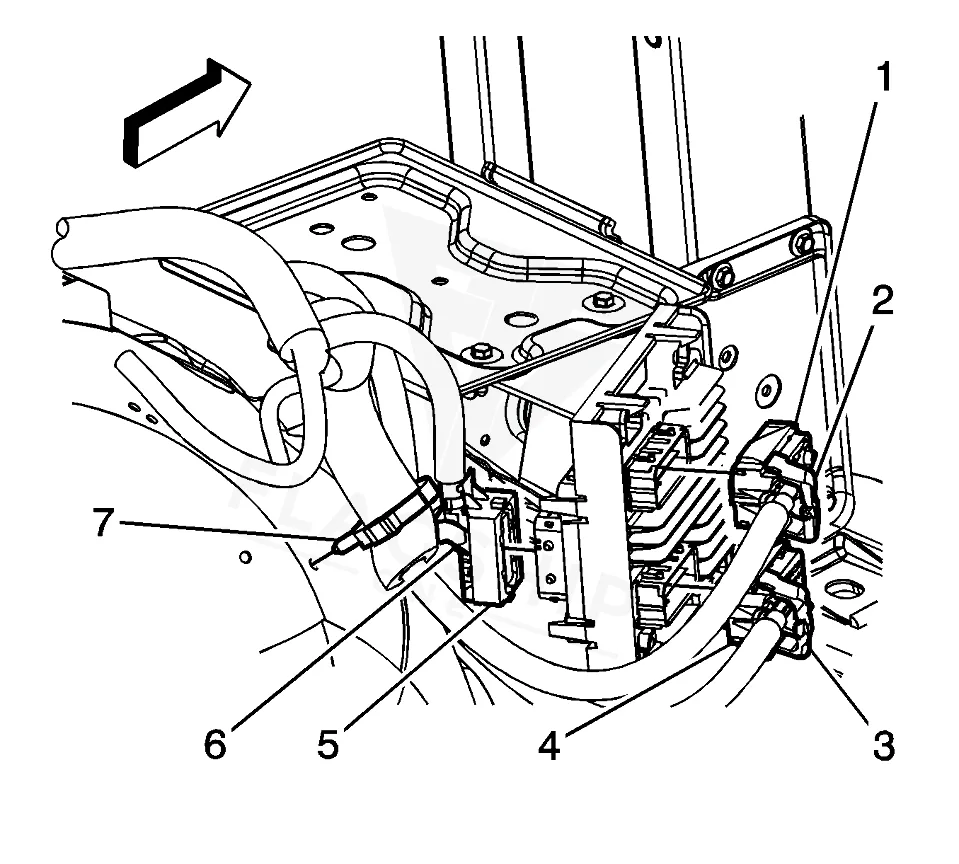
Work with the ignition off, and treat the module as static-sensitive: avoid touching the connector pins at any point.
| Operation | Configuration | Book Time |
|---|---|---|
| Powertrain Control Module R&R | Yukon XL 1500 | 1.4 hr |
| Powertrain Control Module R&R | Yukon XL 2500 | 1.4 hr |
| Powertrain Control Module Relearn | Yukon XL 1500 | 0.5 hr |
| Powertrain Control Module Relearn | Yukon XL 2500 | 0.5 hr |
| Engine Control Module Relearn | Yukon XL 1500 | 0.5 hr |
| Engine Control Module Relearn | Yukon XL 2500 | 0.5 hr |
| Engine Control Module Reset | Yukon XL 1500 | 0.3 hr |
| Engine Control Module Reset | Yukon XL 2500 | 0.3 hr |
2011 GMC Yukon XL
OEM programmed replacements — plug & play, no dealer visit.
Find yours by year, make & model →
Free shipping · Lifetime warranty
After installing a new PCM in your 2011 GMC Yukon XL, the factory procedure requires reprogramming to match your vehicle’s VIN and calibration. This process demands specialized equipment and software, as incorrect programming may lead to performance issues or diagnostic errors. However, a VIN-programmed replacement unit from Flagship One arrives pre-configured, eliminating the need for on-site programming and reducing the risk of setup mistakes. Always capture ECM data with a scan tool before removal to preserve vehicle-specific settings.
A failing PCM in the 2011 GMC Yukon XL may cause a range of symptoms, from intermittent stalling to complete no-start conditions. You might notice rough idling, poor acceleration, or transmission shifting problems, as the module controls both engine and gearbox functions. Diagnostic trouble codes related to internal memory or processor faults, such as an internal control module memory error, often appear when the PCM is compromised. In some cases, the vehicle may fail to communicate with a scan tool, making diagnosis more challenging. Addressing these issues promptly can prevent further drivability problems.
The 2011 GMC Yukon XL may store specific trouble codes when the PCM experiences internal faults. These codes typically indicate issues with memory, processor function, or communication errors within the module itself.
Factory service bulletin #PIP4653D addresses diagnostic trouble codes P0601, P0603, P0604, P062F, or P1621 stored in the transmission control module (TCM) of the 2011 GMC Yukon XL. These codes may point to internal PCM faults that require further diagnosis. Following the bulletin’s guidelines can help technicians determine whether the module needs replacement or if other issues are contributing to the problem.
| Bulletin | Subject | What It Addresses |
|---|---|---|
| — | DTC’s P0601 P0603 P0604 P062F Or P1621 (Stored in the TCM) – (Jun 20, 2012) | — |
Common signs include stalling, no-start conditions, or diagnostic trouble codes related to internal module faults. Rough idling, poor acceleration, or transmission shifting issues may also indicate PCM problems. A scan tool can help confirm whether the module is the source of the issue.
Replacement typically requires 1.4 hours of labor for removal and installation. Afterward, a 0.5-hour relearn procedure is often needed to synchronize the new module with the vehicle’s systems. Proper programming is also essential to ensure correct operation.
While possible, used modules may require reprogramming to match your vehicle’s VIN and calibration. A new or remanufactured unit with pre-loaded software can simplify the process and reduce the risk of compatibility issues.
If your 2011 GMC Yukon XL is experiencing PCM-related issues, you have options for repair or replacement. A new or remanufactured module can restore reliable operation, especially when pre-programmed to your vehicle’s specifications. Understanding labor times and factory requirements helps you make an informed choice between a dealer visit or a direct replacement solution.
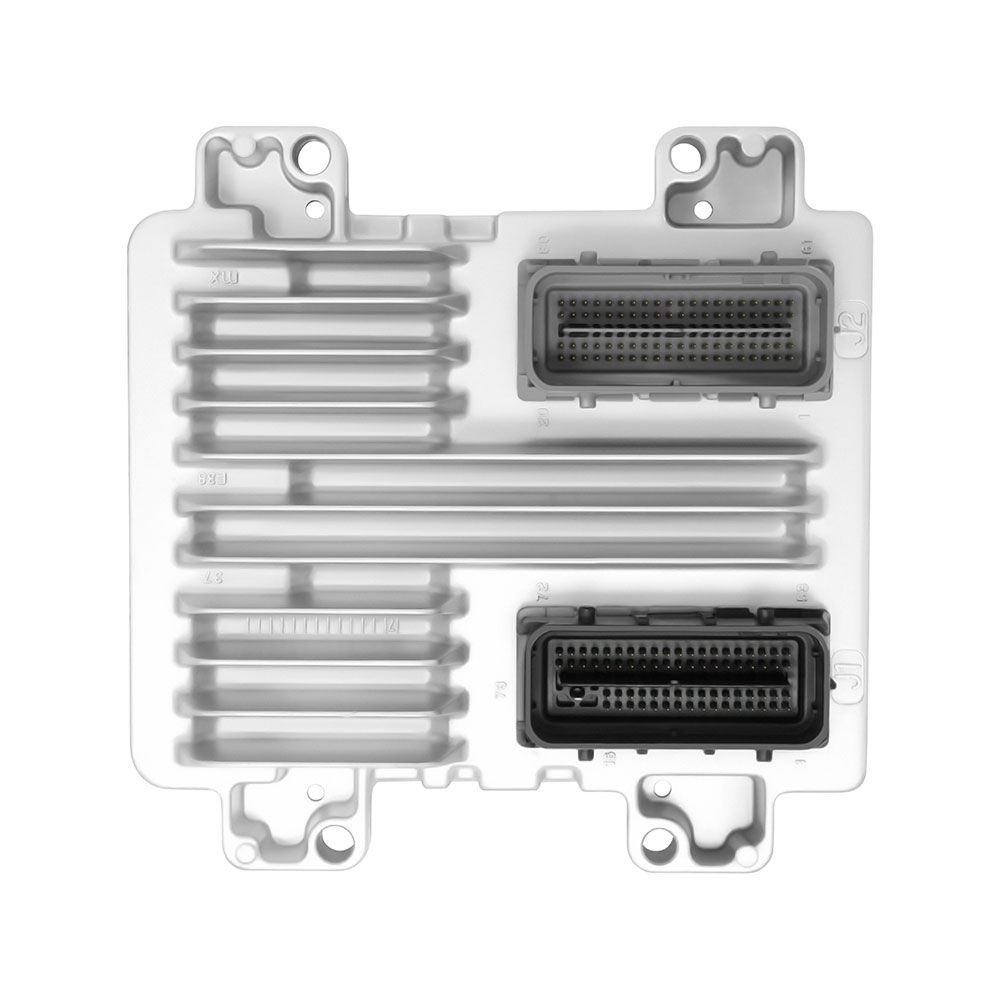
Flagship One stocks a refurbished, VIN-programmed PCM for the 2011 GMC Yukon XL with a lifetime warranty, free shipping and no core charge. The full GMC Yukon XL module lineup covers other engine configurations as well.
The 2011 GMC Yukon XL relies on its PCM for smooth engine and transmission performance. If you’re dealing with stalling, no-start conditions, or internal module codes, a replacement may be necessary. Proper installation and programming ensure your vehicle runs as intended, so choosing the right solution is key to long-term reliability.